Velika Planina from Ljubljana: The Herdsmen's Village Day Trip
Velika Planina is a high alpine plateau of wooden herdsmen's huts in the Kamnik Alps, and it is one of the few genuinely alpine day trips you can do from Ljubljana in about six hours. This guide covers the guided hike, the independent route via Kamnik, and the seasons.
Short answer
Velika Planina sits in the Kamnik Alps roughly an hour's drive north of Ljubljana. A guided hike day trip from the city runs 6 hours from $86 per person, rated 4.8 across 74 reviews. Independent travel goes by bus to Kamnik, then cable car and chairlift, though the plateau is far easier with a guide.
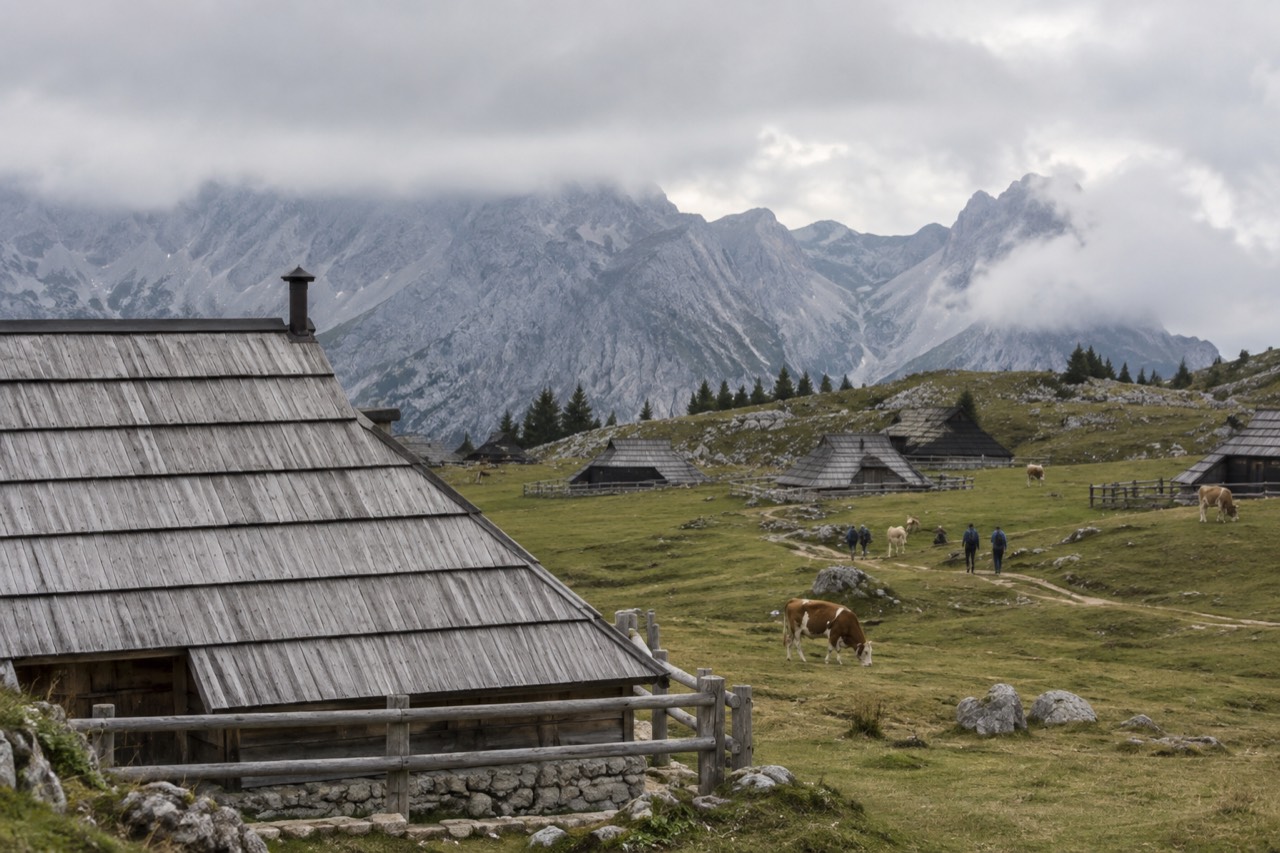
Velika Planina is the day trip that surprises people who came to Ljubljana for the castles and the river. An hour or so north of the city, the road leaves the basin, climbs through forest, and opens onto a plateau of low wooden huts with shingled roofs, spread across a meadow at the foot of the Kamnik Alps. It is a working herdsmen's village, not a reconstruction, and in summer cows graze between the huts while cheese is made a few steps away.
The plateau answers a question most Ljubljana itineraries never ask: what does the alpine half of Slovenia actually look like, and can you see it without committing a whole weekend? You can. A guided day trip runs about six hours door to door, and the plateau pairs naturally with the other big day-trip names, Bled and Postojna, for anyone building a multi-day plan.
What Is Velika Planina and Why Is It Worth the Trip?
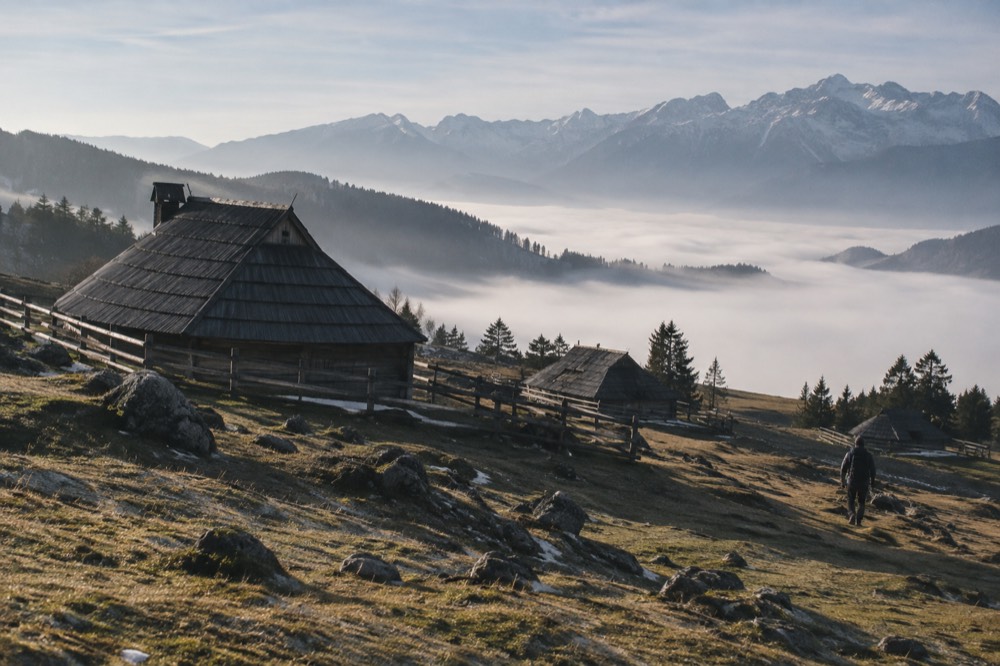
Velika Planina is a high alpine pasture in the Kamnik Alps, about an hour north of Ljubljana, where herders still run cattle from late spring to early autumn and sleep in traditional wooden huts with steep shingled roofs. It is worth the trip because nothing else within day-trip range of the capital gives you a working alpine farming landscape this intact, and because the plateau sits high enough to sit above the fog that smothers the Ljubljana basin for much of the colder half of the year.
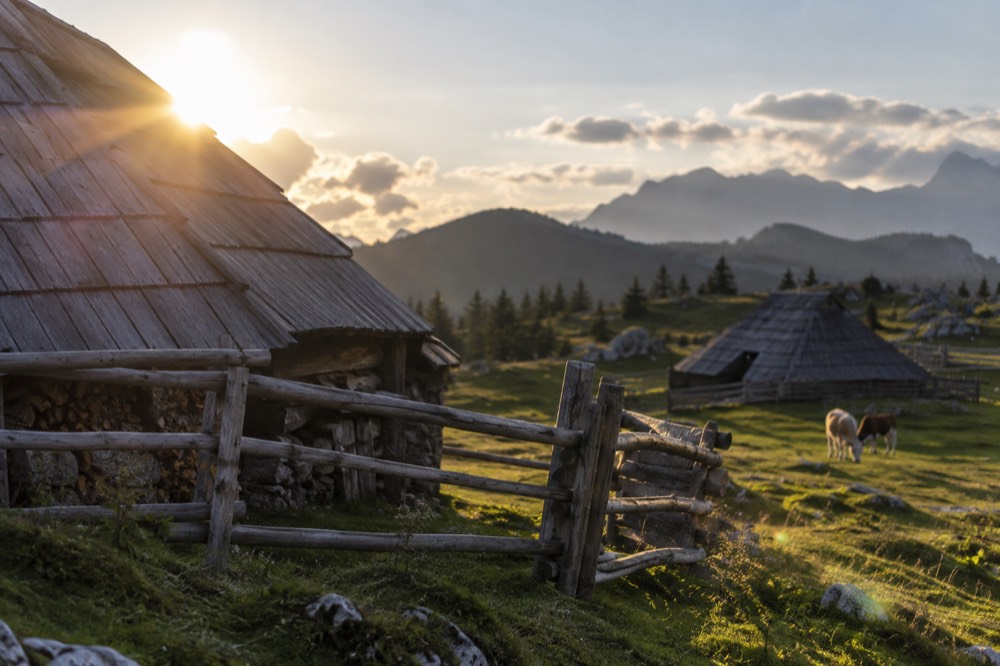
The settlement is one of the best-preserved herdsmen's villages in the Alps, and the hut architecture is the draw as much as the panorama. The roofs sweep down almost to the ground, a shape built for snow, and the huts cluster in groups across the meadow rather than forming a single street. Herdsmen have run cattle on this pasture for centuries under the same seasonal rhythm: up in spring, down in autumn.
What that means for a visitor is atmosphere rather than a list of monuments. You walk between the huts, you look up at the rock walls of the Kamnik Alps, and in season you can buy dairy products made on the plateau itself. The walking is gentle by alpine standards once you are up, which makes this one of the few genuine mountain days suitable for families and modest fitness levels. Our full Velika Planina destination guide covers the plateau itself in depth, and the nearby town deserves its own look too, see the Kamnik guide if you want to build a two-stop day.
The contrast with the city is the point. Ljubljana sits at 299 metres on the floor of a basin; the plateau sits high above it on the northern rim. On the same day, the city can be grey and the meadow in full sun, which is a pattern the climate record actually supports and which we come back to below.
How Do You Get to Velika Planina from Ljubljana?
The simplest route from Ljubljana is a guided day trip: about 6 hours total, from $86 per person, rated 4.8 across 74 reviews, with transport, guide and lift tickets handled for you. Going independently means a bus from Ljubljana to Kamnik, then the cable car and chairlift up to the plateau, which is entirely doable but leaves you to solve connections, timings and lift operating days on your own. A third option is a hire car, which gives full flexibility and pairs the plateau with Kamnik or other stops.
The independent route is real and many Slovenians do it. Buses run from Ljubljana's main bus station towards Kamnik, a small town at the foot of the mountains, and from the Kamnik side a cable car rises to the lower station area, with a chairlift continuing to the upper plateau. Fares and timetables for the bus leg should be checked at the station or with the operator before travelling, and the lift operating calendar is seasonal, so winter and shoulder-season visitors need to confirm what is running on their date. The Ljubljana bus station guide explains the departure setup, and for city transport basics the getting around Ljubljana guide covers the Urbana card, which costs 2.00 EUR with a single zone 1 ride at 1.50 EUR, though the Kamnik route is an interurban service priced separately.
| Option | Time from Ljubljana | Cost | Best for |
|---|---|---|---|
| Guided hike day trip | 6 hours door to door | From $86 per person | First visit, no car, want the plateau explained |
| Bus to Kamnik, then cable car and chairlift | Most of a day | Bus fare set by the operator, check at the station; lift tickets bought on site | Independent travellers on a budget |
| Hire car | Roughly an hour's drive each way, plus lifts | Car hire rates are date-specific, quote before booking | Flexibility, pairing with Kamnik or the valley |
The guided option removes every failure mode at once. The Velika Planina guided hike from Ljubljana picks up in the city, drives you to the mountain, handles the lift tickets, and puts a licensed guide on the trail who can read the landscape, the huts and the herding season. For a six-hour round trip with a fixed window, that certainty is worth real money.
If you would rather test the independent route, do it in high summer when lift frequencies are at their peak and daylight is long. In the shoulder months the margin for error disappears, a missed bus connection can cost you the last lift down, and the guided trip starts looking like the cheap option.
What Does the Guided Velika Planina Hike Actually Include?
The guided day trip from Ljubljana runs about 6 hours in total and costs from $86 per person, rated 4.8 across 74 reviews on the live listing. It bundles return transport from the city, a licensed guide, and the lift tickets for the ascent, then walks you across the plateau past the herdsmen's huts with the geology and the herding tradition explained along the way. The walking itself is moderate rather than alpine, and the guide sets a pace the whole group can hold.
The shape of the day is simple. You leave Ljubljana in the morning, drive north, and ride the lifts up through the forest belt to the open meadow. Up top, the route moves between the hut clusters, with long stops for photographs and for the story of the place: why the huts look the way they do, how the seasonal herding economy works, and what the plateau is like when the herdsmen arrive with their cattle in late spring.
Bookings carry free cancellation, which matters in a mountain destination where weather decides the day. If the forecast turns, you can adjust without losing the fare, and the operator's live listing shows the exact terms and the next available dates.
One honest caveat: the plateau is a landscape, not a museum with opening hours. What you see depends on the season, and a June day with cattle on the meadow is a different experience from a quiet October one with mist in the valleys. Neither is wrong, but go with the right expectation, and the best time to visit Ljubljana guide helps you place the trip inside a wider itinerary.
When Is the Best Time of Year to Visit Velika Planina?
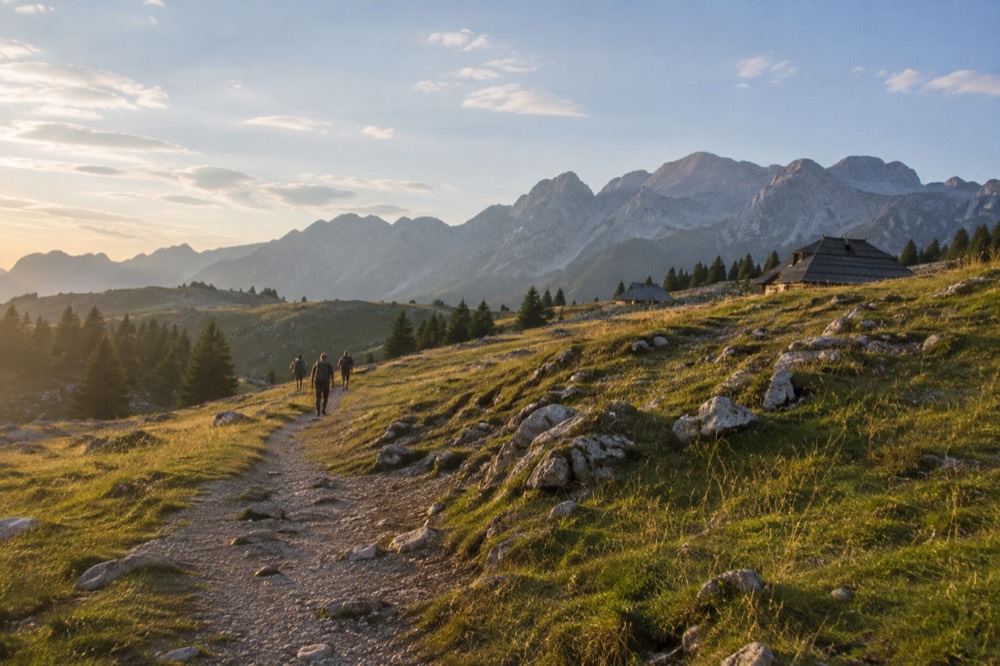
Late June through September is the best window: the lifts run at full frequency, the herdsmen are on the plateau with their cattle, and the meadow is at its greenest. May and early June are quieter but wetter, October brings autumn colour and thinning crowds, and winter transforms the plateau into a snowscape reached on skis or snowshoes rather than the summer trail. The herding season itself runs from late spring to early autumn, so if seeing the working village matters, aim for the middle of summer.
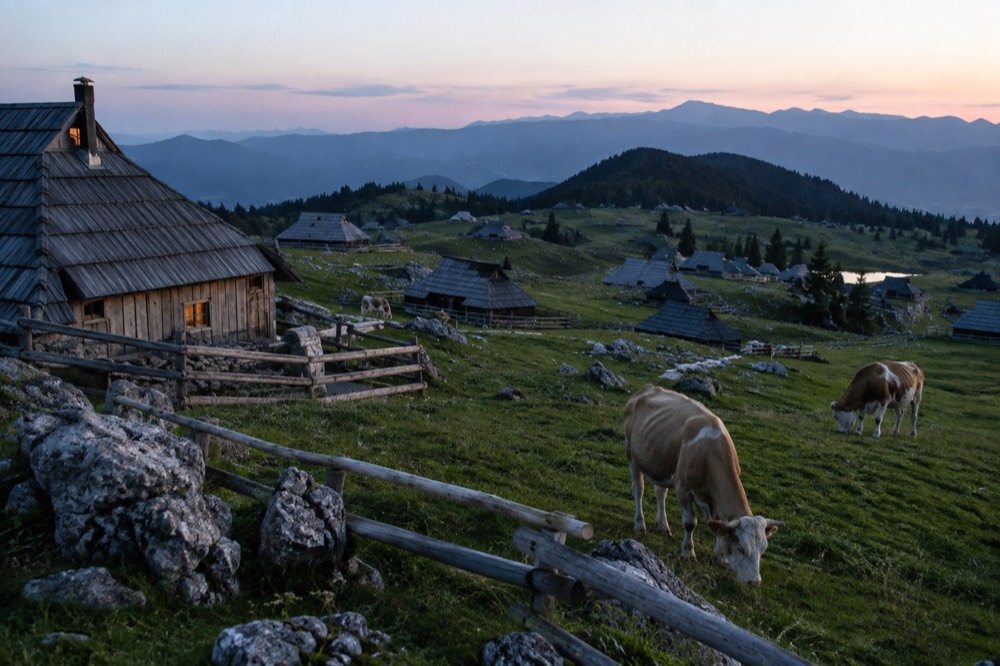
Each season changes what the plateau is. In the herding months the huts are lived in, smoke rises from a few chimneys, and the meadow is a working farm at altitude. Outside those months the settlement empties and the landscape does the talking, which some visitors prefer: silence, long views, and hut architecture under snow.
| Season | The plateau | Practical notes |
|---|---|---|
| Late May and June | Herdsmen arrive, cattle on the meadow, lush grass | Greenest month, some muddy trails early on |
| July and August | Full herding season, dairy made on site | Warmest and busiest; book the guided trip ahead |
| September | Herds still up, crowds thinning, first autumn tints | Strong all-round choice |
| October | Autumn colour, herds descend, quiet returns | Shorter days; confirm lift schedules |
| November to April | Snow cover, empty huts, winter access | A different trip entirely, needs winter planning |
There is a weather angle worth knowing before you pick a month. Ljubljana's basin climate is cloudier than most visitors expect, and the plateau sits above the worst of it. That is not a slogan, it is measurable, and it changes how a day trip pans out.
Is Velika Planina a Good Day Trip When Ljubljana Is Grey?
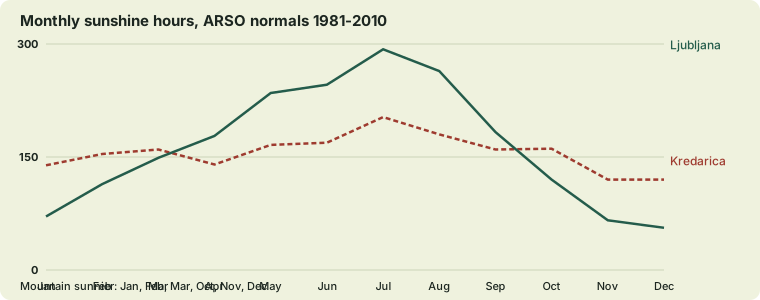
Yes, and often it is the single best one. Ljubljana sits in a basin where cold air is trapped under warmer air above for much of the colder half of the year, so the city fogs in while the high ground a few hundred metres up sits in sunshine. ARSO's 1981-2010 normals give Ljubljana just 56 hours of sunshine in December and 71 in January, against 120 and 139 hours at Kredarica at 2514 metres. Going up is the statistically correct answer to a grey day.
The inversion is the information most guides miss. On a winter morning in Ljubljana you can look up at the hills on the basin rim and see them lit while the streets below are grey. The same physics applies to the plateau: on days when the city is under low cloud, the meadow above the tree line can be in full sun, and the temperature at 660 metres on the basin rim can exceed the temperature at 299 metres in the city on individual days. The monthly averages do not show the mountain warmer than the city, Kredarica's January mean is far below Ljubljana's, but they do show it far sunnier in winter, per ARSO's published climate normals for Ljubljana and the matching Kredarica table.
The catch is the same fog on the drive up. The road from Ljubljana to the cable car base climbs out of the basin, and on inversion days you can literally drive up through a grey ceiling into blue sky within half an hour. That is a genuinely satisfying day trip: leave a gloomy capital, arrive in sunshine. In the autumn shoulder, when the fog day counts peak, check the morning forecast before committing, and remember the guided trip's free cancellation if the whole region is under cloud. The wider set of guides lives on Ljubljana Travel Guide.
What Should You Wear and Pack for Velika Planina?
Dress for two climates in one day. The plateau is alpine even in summer, with wind, fast-moving cloud and a real drop in temperature from the valley, so bring a warm layer and a windproof jacket regardless of the forecast, plus proper walking shoes with grip for the meadow trails. Sunscreen and water matter more than people expect at altitude, and in the herding months a small amount of cash is useful for dairy products sold at the huts.
The classic mistake is dressing for Ljubljana. The city can be 20 degrees Celsius and calm while the meadow is 12 degrees in a wind that takes the edge off a sunny afternoon. Mountain weather moves quickly, and a bright morning can turn into an afternoon of low cloud rolling over the ridge. None of this is severe, the walking is not technical, but comfort on a six-hour day depends on layers.
| Item | Why | Notes |
|---|---|---|
| Warm mid-layer | Temperature drops fast with altitude and wind | Fleece or light down, even in July |
| Windproof jacket | The meadow is exposed with little shelter | Doubles as rain protection |
| Walking shoes with grip | Meadow and forest trails, damp grass after rain | Trainers work in dry weather, poorly otherwise |
| Sunscreen and hat | Strong sun at altitude, especially with snow patches | Apply before the walk starts |
| Water and snacks | Few shops on the plateau, hut hours vary | At least a litre per person |
| Some cash | Hut dairy sales in the herding season | Small denominations |
If you are pairing the plateau with a longer alpine plan, the same kit list serves the Julian Alps, and the what to pack for Ljubljana guide is the right companion read for colder-month trips. For a wider sense of what the alpine half of the country offers, the [Triglav National Park guide](/day-trips/triglav-national-park/) and the Soča Valley guide cover the two big-name regions further west.
How Does Velika Planina Compare with the Other Big Day Trips?
Velika Planina is the alpine-landscape choice among Ljubljana's day trips, where Bled is the lake-and-castle choice and Postojna is the underground choice. The guided hike costs from $86 for about 6 hours, which sits between the $57 Lake Bled day tour and the $132 Postojna cave and castle combination. Pick Velika Planina if you have already seen a lake or a cave, or if a grey forecast makes the high ground the smarter bet.
The three flagship trips solve different problems, and the table below puts the bookable versions side by side with their live listing figures.
| Day trip | Duration | Rating | From | What you get |
|---|---|---|---|---|
| Velika Planina guided hike | 6 hours | 4.8 from 74 reviews | $86 | Alpine meadow, herdsmen's huts, guide and lifts |
| Postojna Cave and Predjama Castle | 6 hours | 4.8 from 2802 reviews | $132 | The cave train, 10 C underground, and the cliff castle |
| Lake Bled and Bled Castle | 6 hours | 4.7 from 1641 reviews | $86 | The lake, the island, the castle above the water |
Two of those deserve a second mention. Postojna holds a steady 10 degrees Celsius year round, which makes it the reliable answer when the weather is outright bad rather than merely grey, and the Postojna Cave guide covers the visit in full. Bled carries more search demand than the entire city, and the Lake Bled guide explains why. If a single day is all you have and the forecast is solid, Velika Planina is the more unusual pick; if you want the postcard, Bled wins on recognition.
For travellers with two day-trip slots, the natural pairing is one landscape and one landmark: Velika Planina plus Postojna, or Velika Planina plus Bled. The Ljubljana and Lake Bled combined guide handles the second pairing, and the day trips overview lists every option from the capital with timings.
Is Velika Planina Worth It for Serious Hikers?
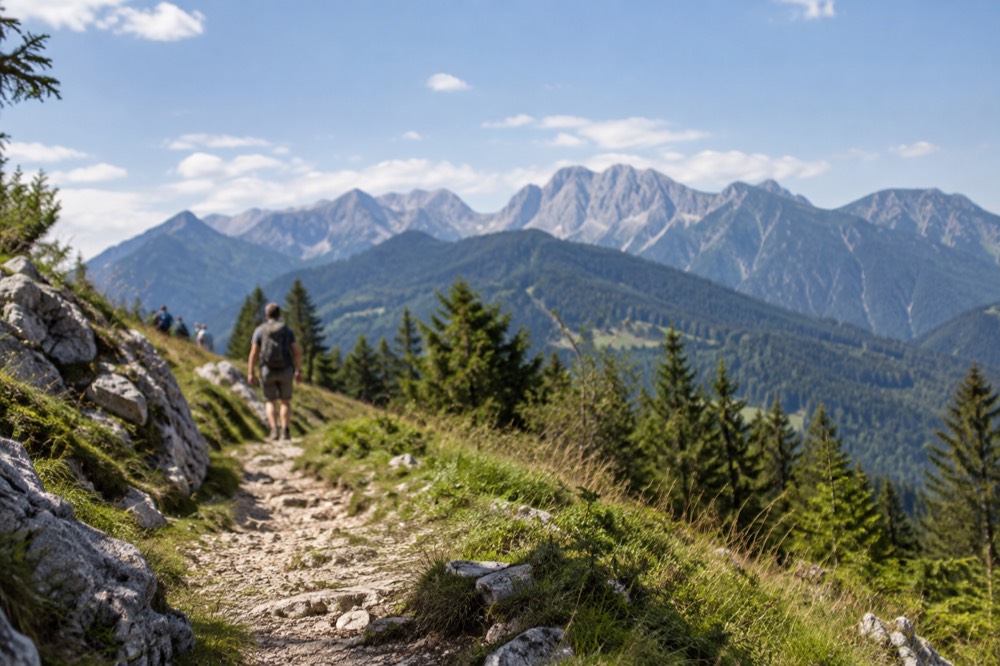
For experienced hikers, Velika Planina is a gentle day rather than a challenge: the lift-assisted plateau walking is modest, and the real appeal is cultural and scenic rather than technical. What it does offer stronger legs is a basecamp, the surrounding Kamnik Alps contain steeper terrain, and a guided format means a half-day on the meadow can be extended with a longer loop if the group and conditions allow. Anyone wanting a genuine full mountain day from Ljubljana should look at the Julian Alps tours instead.
The honest hierarchy of effort runs like this. Velika Planina is the family-friendly alpine day, suitable for children and anyone comfortable with a few hours of walking. The Velika Planina guided hike stays within that envelope, which is exactly why it works for most visitors. Check availability if that envelope fits your group.
Above it sit the big mountain days. The full-day Triglav National Park tour runs 12 hours from $141.97, rated 4.9 across 205 reviews, and goes deep into Slovenia's only national park, an area of 840 square kilometres with protection dating to 1981 and earlier roots in 1924. The Soča and Kranjska Gora guided day tour runs 10 hours 30 minutes from $132, rated 4.9 across 911 reviews, and reaches the emerald Soča Valley on the far side of the Julian Alps. Both are long, both are spectacular, and neither is the right first alpine day for a family with young children.
The Soča option suits anyone whose priority is the river valley and the drama of the Vršič pass road, and the Kranjska Gora guide covers the town that anchors that route. Whichever tier you pick, the same rule from the Soča Valley guide applies: in the mountains, the forecast is part of the itinerary, not a footnote to it.
What Does an Independent Day Look Like, Hour by Hour?
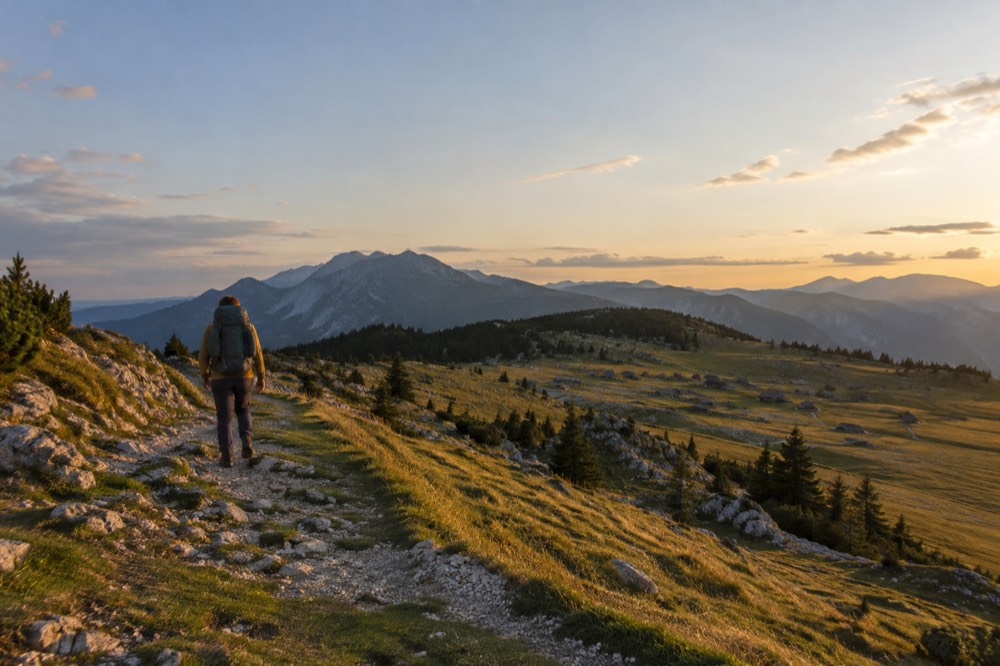
A self-planned day starts with a morning bus from Ljubljana towards Kamnik, arriving mid-morning with time to see the small old town before the cable car ascent, then the chairlift to the upper plateau, two to three hours walking between the hut clusters with a stop for food, and the lifts down by late afternoon to protect the bus connection back to the city. The guided version compresses the logistics into a 6-hour window and removes the risk of a missed connection.
The independent schedule works best in July and August, when lift frequencies and bus timetables are at their densest. An outline:
| Time | Stage | Notes |
|---|---|---|
| Morning | Bus from Ljubljana towards Kamnik | Check the return timetable before you leave the station |
| Mid-morning | Kamnik old town, quick look | A compact medieval core worth thirty minutes |
| Late morning | Cable car and chairlift ascent | Buy tickets on site; keep the receipt for the descent |
| Midday | Walk the hut clusters, lunch at a hut | Hut food and dairy in the herding season |
| Afternoon | Longer loop or ridge viewpoint | Keep an eye on the last lift time |
| Late afternoon | Descend, bus back to Ljubljana | Build in a buffer for the connection |
Two cautions. First, the last lift down is a hard deadline in a way city sightseeing never is, and the walk back down to the valley is long. Second, if you are doing this in the shoulder season, verify both the lift operating days and the bus frequency for your specific date, because both thin out outside the summer weeks. The bus leg is an interurban service, so the city's Urbana card zone pricing does not apply; fares are set by the carrier and should be checked at the station, while within the city itself contactless bank cards are accepted on board and cash is not, per Ljubljana's published payment rules for city buses.
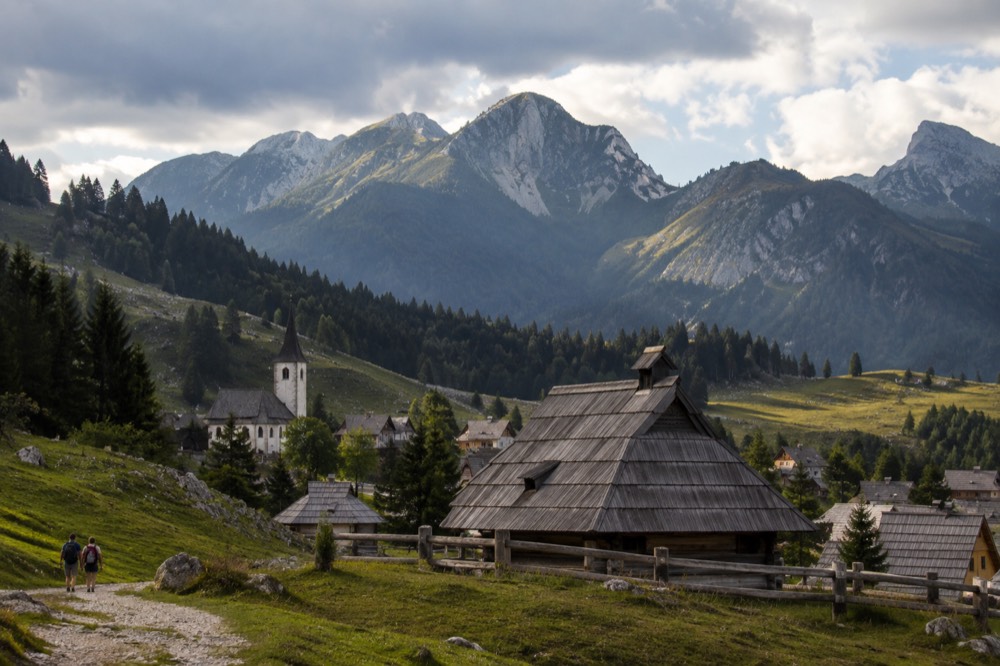
For most visitors the arithmetic favours the guided trip on a first visit and the independent route on a repeat, when you already know how the pieces fit together. Either way, the plateau repays the early start: the meadow is at its best before the midday crowds arrive, and the light on the huts in the first hours is the photograph most people came for.
A Few Practical Notes Before You Go
Velika Planina needs no border, permit or advance paperwork: it is inside Slovenia, which is in the European Union, the eurozone and the Schengen area, so there are no routine border checks and no currency to change coming from Italy or Austria. The euro is the currency on the plateau, hut sales are informal, and the only real planning variables are the lift calendar, the bus timetable if you are going independently, and the weather window.
Pack light but warm, book the guided trip ahead in July and August, and treat a grey Ljubljana forecast as a reason to go up rather than stay down. The plateau is the day trip that benefits most from the city's basin climate, and the one that most reliably turns a dull forecast into a bright day.
Common Questions About Velika Planina from Ljubljana
How far is Velika Planina from Ljubljana?
The plateau sits in the Kamnik Alps roughly an hour's drive north of the city, and the guided day trip runs about 6 hours door to door including the ascent, the walk and the return. Going independently [by bus](https://busbud.tpk.ro/4kLAIElq) via Kamnik takes most of a day.
Can you do Velika Planina without a car?
Yes. A guided hike from Ljubljana covers transport, guide and lift tickets from $86 per person, rated 4.8 across 74 reviews. The independent alternative is a bus to Kamnik, then the cable car and chairlift, though you must solve the connections and the last lift time yourself.
Is Velika Planina suitable for children?
The lift-assisted plateau walking is gentle by alpine standards, which makes it one of the few genuine mountain days that works for families. Bring warm layers and proper shoes regardless of the season, the meadow is exposed and windier than the city.
When can you see the herdsmen and cattle on Velika Planina?
The herding season runs from late spring to early autumn, with cattle on the meadow through the summer months and dairy made on the plateau. Outside that window the huts stand empty and the landscape itself is the attraction.
Is Velika Planina worth visiting in bad weather?
It depends on the weather where you are. Ljubljana fogs in inside its basin while the high ground above often sits in sun, ARSO's normals give the city 56 sunshine hours in December against 120 at Kredarica, so a grey city forecast can still mean a bright plateau. If rain is falling everywhere, Postojna Cave at a steady 10 degrees Celsius is the more reliable choice.
Do you need to book the Velika Planina guided hike in advance?
In July and August, yes, the trip fills ahead of the peak weeks. Bookings carry free cancellation, so there is little risk in locking a date in early and adjusting later if the forecast turns.