Soča Valley and Bovec from Ljubljana: The Complete Day Trip Guide
The Soča Valley is the wildest landscape you can reach from Ljubljana in a day: a river the colour of glass, an alpine town built for adventure, and a mountain pass that most visitors never see.
Short answer
The Soča Valley sits about two hours' drive west of Ljubljana, inside Triglav National Park, with Bovec as its adventure base. A guided day tour runs about 10 hours and costs from $134.78; the most popular option rates 4.9 across 183 reviews and pairs the valley with Kranjska Gora. Independent travel means a rental car and the Vršič Pass or the Idrija road.
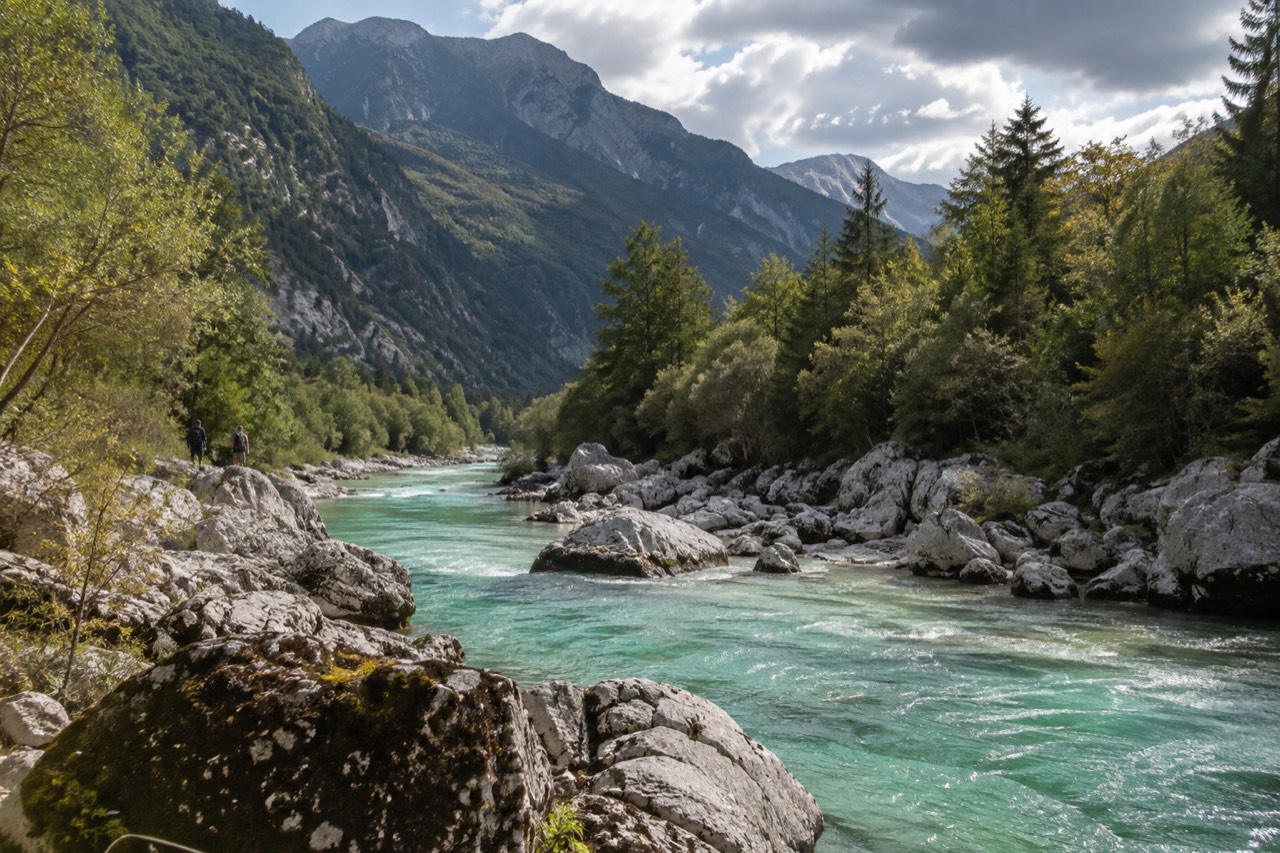
The Soča River runs a green so saturated that first-time visitors assume the photographs have been edited. They have not. The river rises in the Julian Alps, carves its way through gorges and open gravel beds, and finishes at the Adriatic, and the stretch around Bovec is where the colour and the drama peak. From Ljubljana it is a long day out, roughly ten hours door to door on a guided tour, but it is the single biggest landscape contrast available from the capital: you leave a baroque basin city and arrive in something that feels Alpine and Mediterranean at once.
This guide lays out how the trip works from Ljubljana, what a tour covers versus driving yourself, what Bovec actually offers, and how the valley fits into a wider Slovenia itinerary alongside Lake Bled and Postojna Cave. Everything priced here comes from live tour listings; everything climatic comes from ARSO, the Slovenian environment agency, whose published normals are linked where they matter.
Why the Soča Valley Is Worth the Long Day from Ljubljana
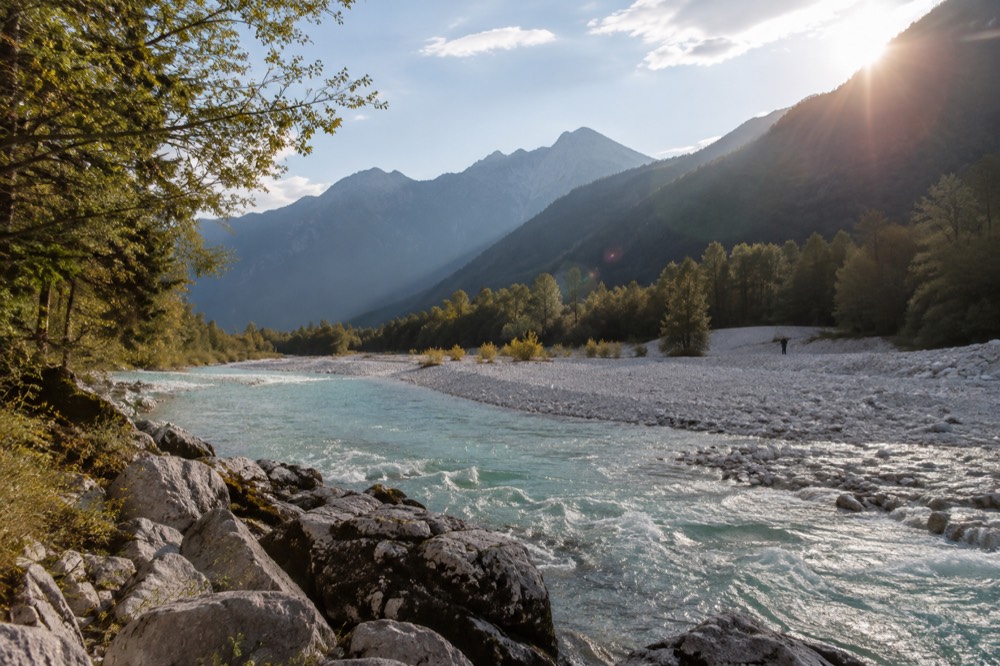
The Soča Valley delivers the most dramatic scenery of any day trip from Ljubljana, and it is the only one that combines an emerald river, high alpine passes and a genuine adventure town in a single outing. Bovec, the valley's base, sits inside Triglav National Park, which covers 840 km² and was founded in 1981 on land protected since 1924. The trade-off is distance: expect a ten-hour day on a tour, longer if you drive yourself and stop often.
Most first-time visitors to Slovenia spend their days out at Bled or Postojna, both excellent, both gentle. The Soča Valley is the different trip. The river is the headline, and its colour is real rather than photographic: minerals suspended in the water scatter light in a way that reads as an impossible green-blue. Around it sit the Julian Alps, the town of Bovec with its adventure operators, and the Vršič Pass, the highest road pass in Slovenia, which is either the reason you take a guide or the reason you rent a confident car.
The valley also carries a layer of history that most visitors arrive knowing nothing about. The Soča front was one of the First World War's mountain battlefields, and the whole area is dotted with memorials, museums and restored positions. That said, no dates or figures about the front appear in this site's verified fact pack, so this guide will not invent any: treat the war history as something the local museums explain far better than a summary here could.
What the fact pack does verify is the park itself. Triglav National Park spans 840 km², entry is free, and Mount Triglav, Slovenia's highest summit at 2864 m, sits at its heart, according to the park's official information page. The Soča's upper valley lies inside that boundary, which is why the roads are narrow, the building is restrained, and the water is clean.
How to Get from Ljubljana to the Soča Valley
There are three realistic ways: a guided day tour, a rental car over the Vršič Pass or down the Idrija road, or a very long self-planned day combining train and bus. The guided option is the one most visitors choose, because the pass road has hairpins and the valley's sights are scattered. Tours run about ten hours and cost from $132 to $135 per person, with the best-rated option at 4.9 from 911 reviews.
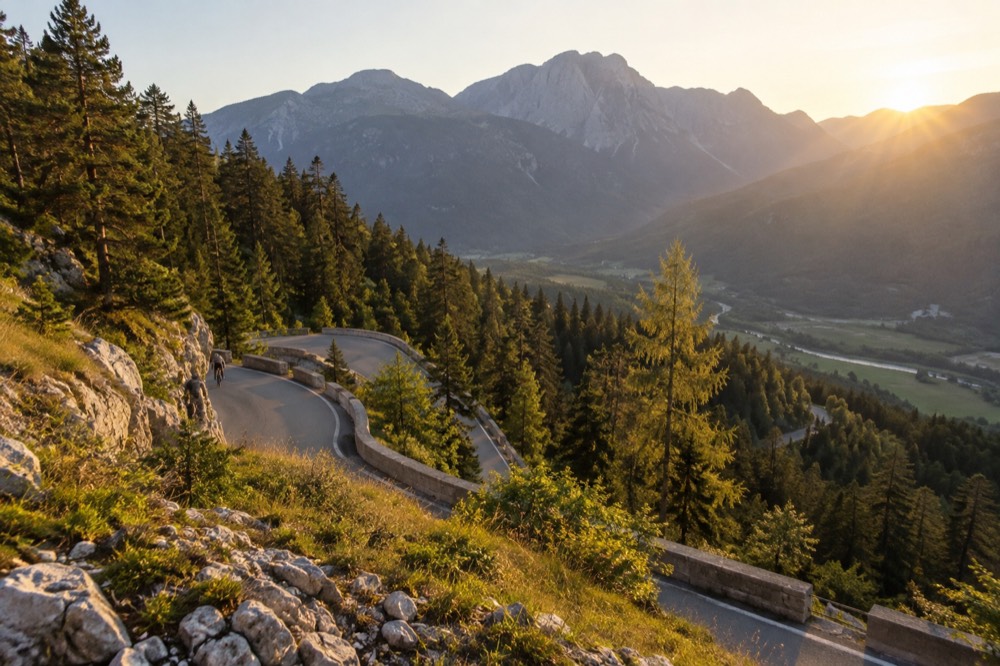
The guided tours deserve their popularity here more than on most routes. The drive is the attraction and the obstacle at once: the Vršič Pass climbs through 50 hairpin bends, and the alternative route via Idrija adds the Soča's lower gorge instead. A guide who drives while you look out the window converts dead driving hours into scenery.
| Option | Time from Ljubljana | Best for | Watch out for |
|---|---|---|---|
| Guided day tour | About 10 hours door to door | First visits, no driving, photo stops | Long day, fixed schedule |
| Rental car via Vršič Pass | Long day, pass road open roughly May to November | Freedom, detours, Kranjska Gora | Hairpins, parking in summer |
| Rental car via Idrija | Similar total time | Lower gorge, Idrija combined | Less dramatic approach |
| Public transport | Not practical as a day return | Multi-day trips only | Connections do not favour a single day |
The two headline tours from the roster tell you the shape of the market. The ten-hour Soča Valley and Kranjska Gora tour rates 4.9 from 183 reviews and costs from $134.78. The longer-established guided day tour to Soča and Kranjska Gora, ten and a half hours, rates 4.9 from 911 reviews and starts at $132. Both pair the river valley with the alpine town on the northern approach, which is the natural pairing: you cross the pass, drop into the valley, and return the same way.
If you would rather drive, the pass route is the one to plan around. Full detail on the road itself lives in the Vršič Pass guide, including why its opening window matters so much. The southern route matters too, because it passes Idrija, whose mercury mining heritage is one of the country's quieter draws, and it delivers you to the Soča's lower stretches rather than the high valley.
One practical note that catches people out: the centre of Ljubljana is pedestrianised, so a rental car day starts with getting out of the historic core before the driving starts. The car rental specifics, including the neighbourhoods where picking up a car is easiest, are covered in the car rental guide.
What a Soča Valley Day Tour Actually Includes
A typical day tour from Ljubljana collects you early, crosses the Julian Alps with stops, and gives you a block of free time in Bovec or the river's key viewpoints, usually two to three hours, before returning over the same roads. The ten-hour Soča Valley and Kranjska Gora tour costs from $134.78 and rates 4.9 from 183 reviews. Transport and guiding are the core; activities like rafting are booked separately on arrival.
The honest way to describe these tours is as a spectacular drive with a great guide attached. The value is in the window seat and the stops: the pass, the river viewpoints, the town. What you do in Bovec with your free hours is up to you, and the valley's adventure operators line the main street ready to sell you a raft trip, a canyoning descent or a kayak session on the spot.
The related tour below is the strongest fit for most readers: it covers the valley and Kranjska Gora in one day, the reviews are consistently excellent, and the price sits in the middle of the Soča options.
The alternative from the same family runs half an hour longer and carries a much larger review base, 911 against 183, at the same 4.9 rating and a slightly lower from-price of $132. Between the two, the decision is mostly about departure details and group size rather than itinerary, since both follow the same logic of pass, valley and return.
For visitors who want the mountains but not this much driving, the full-day Triglav National Park tour, twelve hours, rated 4.9 from 205 reviews and priced from $141.97, ranges more widely across the park without committing to the far western valley. It is the better pick if your priority is the alpine landscape in general rather than the Soča's water specifically.
Bovec: What the Adventure Capital Actually Offers
Bovec is a small town whose economy is built entirely on outdoor sport: rafting on the Soča, canyoning in its side gorges, kayaking, ziplines above the valley and, in winter, skiing on the slopes above Kanin. Everything is bookable on the main street, often the same morning. The town itself is compact and functional, a base rather than a beauty, and that is fine because nobody comes to look at the buildings.
The rafting is the signature. The Soča's upper stretch runs through gorges and open gravel in quick succession, which gives trips a mix of calm float and genuine whitewater. This site's fact pack records no operator-level details for Bovec's adventure companies, no prices, no minimum ages, no trip durations, so this guide will not quote any: treat rafting and canyoning as on-the-ground bookings you make in town or through your tour operator, with prices checked on the spot.
| Activity | Where it happens | How to book | Notes |
|---|---|---|---|
| Rafting | Upper Soča around Bovec | Operators on the main street | The valley's classic |
| Canyoning | Side gorges off the Soča | Same operators | Descents involve jumps and slides |
| Kayaking | Calmer stretches | Same operators | Instruction available |
| Ziplines | Above the valley | Local operators | Views more than adrenaline |
| Hiking | Valley floor and surrounding peaks | Independent | Trails start near town |
| Winter skiing | Slopes above Bovec | Local | Season depends on snow |
What can be verified is the setting. Bovec sits in the upper Soča Valley inside the national park, surrounded by peaks on the Kanin range, and its position is why every adventure operator in the region clusters there. The town also makes a sensible overnight stop if you decide a day is not enough, which is common: this is the one destination in this guide where a large share of day-trippers immediately regret not staying.
The Water, the Weather and Why the Valley Beats the City in Winter
The Soča's colour is the draw in every season, but the weather logic belongs to the mountains, not the valley floor. Ljubljana sits in a basin where winter inversions trap fog and low cloud: ARSO's 1981-2010 normals give the city just 56 hours of December sunshine against 120 hours at Kredarica, 2514 m up on Triglav. A Soča day in the cold half of the year is often a trip from grey into blue.
This is the detail most guides miss entirely, and it is the site's core information gain for the whole destination. Ljubljana averages 37 clear days a year against 130 overcast, and in December the city records 56 hours of sunshine, under two hours a day, while the high mountains above it record more than double that. The inversion means that on many winter mornings the city is grey at street level and the hills a few hundred metres up are in full sun. A day trip west into the Alps is not just sightseeing in winter, it is weather improvement. The rest of the planning pages sit on Ljubljana Travel Guide.
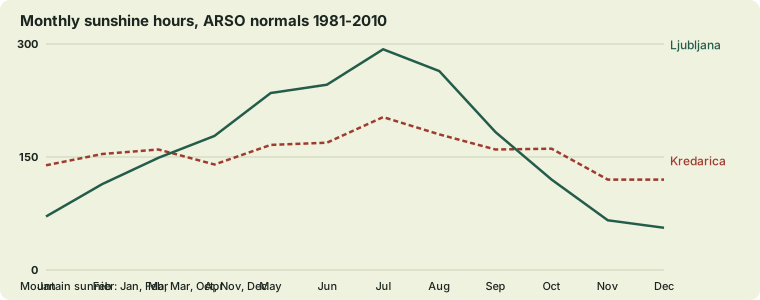
The summer side of the ledger matters too. The city wins April to September on sunshine, 293 hours in July against the mountain's 203, and the valley's water is at its most inviting then. But the same months carry the rain: September and October are the joint wettest months in Ljubljana at 147 mm each, above July's 115 mm, per ARSO's 1981-2010 normals, and mountain weather is fiercer than basin weather. The practical read: summer for the water and the long days, winter for the inversion escape, and a weather check the night before in every season. The full month-by-month logic, including which months suit which traveller, is laid out in the best time to visit Ljubljana guide.
Kranjska Gora and the Vršič Pass: The Approach Is Half the Trip
Most tours reach the Soča through Kranjska Gora and the Vršič Pass, and that approach is a genuine part of the day rather than a transfer. Kranjska Gora is a compact ski and walking town near the Austrian and Italian borders, and the pass road beyond it climbs through dozens of hairpins to 1611 m before dropping into the Soča Valley. The pass is seasonal: it closes for winter, roughly November to May.
Kranjska Gora earns its place on the itinerary as the last soft stop before the pass: cafés, a lake a short walk out of town, and the point where the road stops being ordinary. The town anchors Slovenia's best-known ski resort area, and it doubles as a summer walking base, which is why the Kranjska Gora guide treats it as a destination in its own right rather than a pit stop.
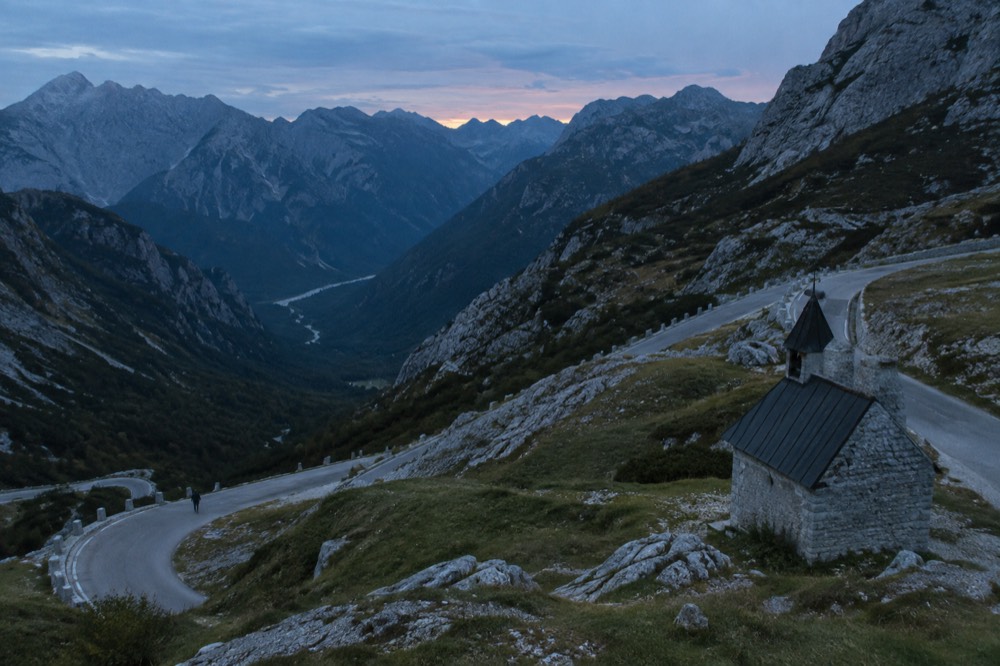
The pass is the reason tour buses and confident drivers take this route at all. Its exact opening dates vary with snow, so this guide deliberately avoids printing a fixed window beyond the rough November-to-May closure and points you to the Vršič Pass guide for the road's detail. What is certain is the experience: stone hairpins built a century ago for military supply, a Russian chapel partway up, and views that open suddenly on both sides of the watershed.
Hiking, Rafting and How to Fill the Free Hours
The standard day tour gives you a block of free time in or near Bovec, and the strongest uses of it are a river activity, a short hike to a viewpoint or gorge, or a slow lunch with the water in view. The Soča Valley tour pairs the valley with Kranjska Gora, ten hours at 4.9 from 183 reviews, from $134.78; the twelve-hour Triglav National Park tour, 4.9 from 205 reviews, from $141.97, suits hikers who want the park more than the river.
For hikers, the valley's trails range from flat riverside walks to serious ascents, and the national park publishes its own guidance on access and conditions, which is worth checking before any longer route. The park's official information, including its 840 km² extent and free entry, is on the Triglav National Park site. Note that this guide quotes no trail distances or ascent figures for the valley: the fact pack does not carry them, and invented hiking numbers are exactly the kind of plausible fabrication this site refuses.
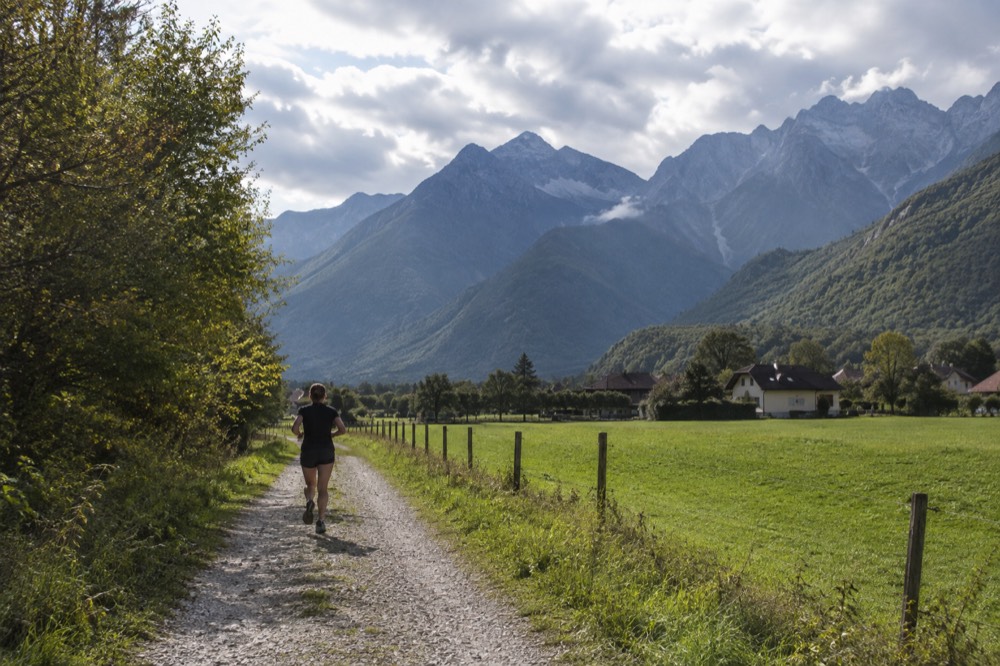
For everyone else, the free hours split three ways. Adventurous visitors book a water activity on arrival in Bovec. Photographers walk the riverbed, which is open and accessible in several places, and take the short climbs to the water-level viewpoints that make the river's colour legible in a frame. And a third group simply sits: the valley has proper restaurants for a slow lunch, and a ten-hour tour day with a two-hour pause rewards the people who do not fill every minute.
The twelve-hour Triglav tour is the pick for the hiking-minded, and it earns a solo mention because it solves a different problem than the Soča tours: it trades the far western valley for a wider sweep of the park's landscapes.
When to Go: Seasons in the Soča Valley
Summer, June to August, is the water season: the Soča at its warmest, the activities all running, the pass fully open, and the crowds at their peak. May, June and September are the sweet spots for most visitors, with full access and thinner traffic. Winter transforms rather than closes the valley, Bovec becomes a ski base above the fog line, but the pass shuts and the drive goes the long way round.
| Period | The valley | The drive | Best for |
|---|---|---|---|
| June to August | Full activity season, warmest water | Pass open, busiest | Rafting, first visits |
| May, late September | Quieter, activities running | Pass open | Photographers, value |
| October to November | Autumn colour, thin crowds | Pass closes around November | Slow travel, hiking |
| December to March | Ski season above Bovec, snow on the peaks | Pass closed, long southern route | Skiers, inversion escapes |
| April to May | Snowmelt, the river at its fullest | Pass reopens roughly May | High water, waterfalls |
Two seasonal traps deserve naming. First, the pass: if your heart is set on the Vršič route, travelling outside its open window means the long way round via the Soča's lower valley, which changes the whole shape of the day. Second, the shoulder-season rain: ARSO's 1981-2010 normals make September and October the joint wettest months in Ljubljana at 147 mm each, above July's 115 mm, and the mountains amplify whatever the basin gets. A September day trip can be the best of the year or a washout; the forecast decides, so check it the night before and be willing to swap the Soča day with a cave day, since caves hold roughly the same temperature year round and are the reliable wet-weather answer, as the Postojna Cave guide details.
How the Soča Valley Compares with Bled and Postojna
For most visitors the Soča Valley is the second or third day trip, not the first: Bled is closer and easier, Postojna is more weatherproof, and the Soča is the one you take when you have a free day and want the biggest scenery. A Bled day tour runs six hours from $57, Postojna and Predjama five and a half hours from $80, and the Soča ten hours from $132, so the valley costs the most in time and money and repays it in drama.
| Day trip | Duration | From price | Rating | Character |
|---|---|---|---|---|
| Lake Bled day tour | 6 hours | $57 | 4.8 from 888 reviews | Lake, island, castle |
| Postojna and Predjama tour | 5h 30m | $80 | 4.9 from 474 reviews | Caves, cliff castle |
| Soča Valley and Kranjska Gora | 10 hours | $134.78 | 4.9 from 183 reviews | River, pass, mountains |
| Bled and Postojna combo | 10 hours | $133 | 4.9 from 286 reviews | Two big names, one day |
The sequencing question is real, and the honest answer depends on your trip length. With two or three days in Ljubljana, the structure that works is Bled first, Postojna if the weather turns, and the Soča Valley on the day you have the most energy, because it is the longest and the most demanding. With only one free day, take Bled: it is shorter, cheaper and more forgiving, and the Ljubljana to Lake Bled guide covers it fully. The day trips overview ranks all the options if you are building a bigger itinerary.
Practical Planning: What to Bring and How to Pace the Day
Take layers, water and a full battery, because a Soča day runs long and the altitude range is large: you can leave Ljubljana under fog at a few degrees and stand on the pass in bright sun an hour and a half later. Eat a real breakfast, keep lunch plans loose in Bovec, and treat the return leg as part of the day rather than dead time, since the pass is a different drive in afternoon light.
The clothing logic follows the inversion physics. The city sits at 299 m in its basin; the pass tops out far higher, and ARSO's data shows the high ground regularly in sun while the city is grey. In practical terms that means the jacket you need at the departure point is the one you carry all day, and the sunglasses you think are optional are not. Footwear matters if you plan to walk the riverbed: the gravel is rounded and wet at the edges, and the best photographs are taken from low, not from the road.
Money is simple. Slovenia is in the eurozone, having adopted the euro on 1 January 2007, and it is in the Schengen area, so there is no border formality or currency step coming from Italy or Austria, both relevant here since the pass road passes close to the Italian frontier. The European Commission's page on Slovenia and the euro confirms the adoption date. Cards work almost everywhere in Bovec, though small mountain huts on the pass can prefer cash.
Pacing advice is worth stating plainly: this is a ten-hour day with an early start, and the people who enjoy it most are the ones who sleep on the drive out and stay off their feet in the evening. If your itinerary has a heavy evening planned, put the Soča day before a lighter one, not after a late night.
Where to Stay If One Day Is Not Enough
Bovec is the obvious overnight base, with accommodation clustered around the adventure operators, and Kranjska Gora is the softer alternative on the northern side of the pass. Staying over converts the ten-hour day trip into two relaxed halves and unlocks the valley's evening, which is when the day-trippers have gone and the water is at its quietest. Kobarid, downstream, is the food and history option.
The overnight argument is strong here in a way it is not for Bled, which is close enough to the city to make staying over optional. The Soča Valley is far, and the drive is the day's main cost, so sleeping in the valley amortises it. Kobarid adds a layer Bovec lacks: it is the valley's gastronomic and historical town, small and walkable, and the base for the lower river. The site's fact pack records no hotel prices anywhere, and nightly rates are date-specific behind bot walls, so this guide quotes none: check live availability for your dates.
For a two-centre plan, the pairing that works is a night in the valley with a night in Kranjska Gora or Lake Bohinj, crossing the high country once rather than doubling back. The where to stay in Ljubljana guide covers the city end of the trip if you are keeping the valley as a day out.
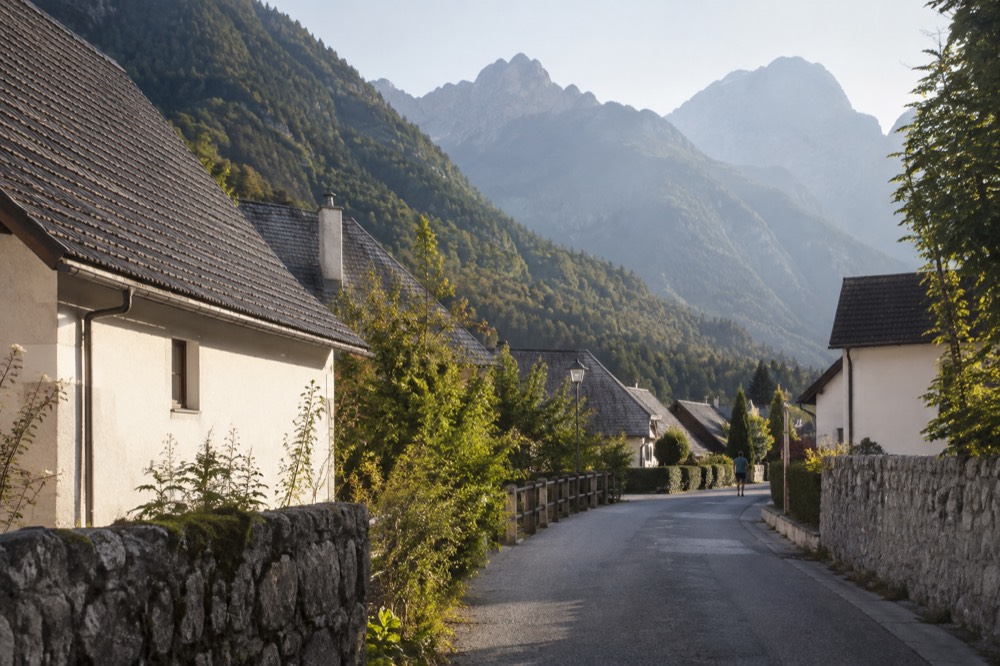
The Soča Valley is the day trip that changes how people rate Slovenia. Bled is the postcard, Postojna is the underground wonder, and the Soča is the one visitors describe in person afterwards. Whether you take the ten-hour tour or drive the pass yourself, plan the day around the light and the water, and check the forecast the night before.
Common Questions About the Soča Valley from Ljubljana
Can you do the Soča Valley as a day trip from Ljubljana?
Yes, and most visitors do. Guided tours run about ten hours door to door, crossing the Vršič Pass with stops and giving you free time in Bovec before returning. The best-rated tour pairs the valley with Kranjska Gora and costs from $134.78. [Driving yourself](https://discovercars.tpk.ro/laYIo9hK) is equally possible and takes a similar total time.
How far is Bovec from Ljubljana?
Bovec sits in the far west of Slovenia, and the drive from Ljubljana takes roughly two hours each way, longer over the Vršič Pass because of its hairpins and slower when summer traffic builds. This site's fact pack carries no verified point-to-point distance figure, so plan on time rather than kilometres: a tour day is about ten hours total.
Is the Soča Valley worth it compared with Lake Bled?
They answer different questions. Bled is closer, cheaper and gentler, a six-hour tour from $57. The Soča Valley is the drama option: wilder water, higher mountains and a real adventure town, at ten hours from $132. If you have only one day trip slot, take Bled; if you have two, the Soča is the stronger second.
What is there to do in Bovec?
Rafting on the Soča is the signature activity, with canyoning, kayaking and ziplines alongside, all bookable from operators on the main street. Hiking trails start near town, and in winter the slopes above Bovec open for skiing. The town itself is a compact base with restaurants and gear shops rather than a sightseeing destination.
When is the best time of year to visit the Soča Valley?
June to August for the full activity season and warmest water, with May and late September as the quieter sweet spots. The Vršič Pass closes for winter, roughly November to May, which lengthens any driving day. Winter trips work for skiing and for escaping Ljubljana's basin fog, since the high ground is far sunnier than the city in the cold months.
Do I need a tour or can I drive the Soča Valley myself?
You can drive it, and the pass road is a highlight in its own right, but it demands comfortable mountain driving: dozens of hairpins and narrow widths. A tour lets you watch the scenery instead of the road, which is why the ten-hour guided options rate so highly. If you drive, start early and check the pass status in the colder half of the year.