Kranjska Gora from Ljubljana: The Alpine Day Trip Explained
Kranjska Gora is the alpine base most visitors never see, sitting at the top of the Sava valley under some of the steepest road passes in the country. Here is how to reach it from Ljubljana in a single day, what to do when you arrive, and which tours are worth the drive.
Short answer
Kranjska Gora is a small alpine resort about a day trip north of Ljubljana, best reached by car or by a guided tour. The ten and a half hour Soča and Kranjska Gora tour from the city runs from $132 and rates 4.9 from 911 reviews. Summer brings hiking and the Vršič Pass, winter brings skiing, and the village works in almost any weather.
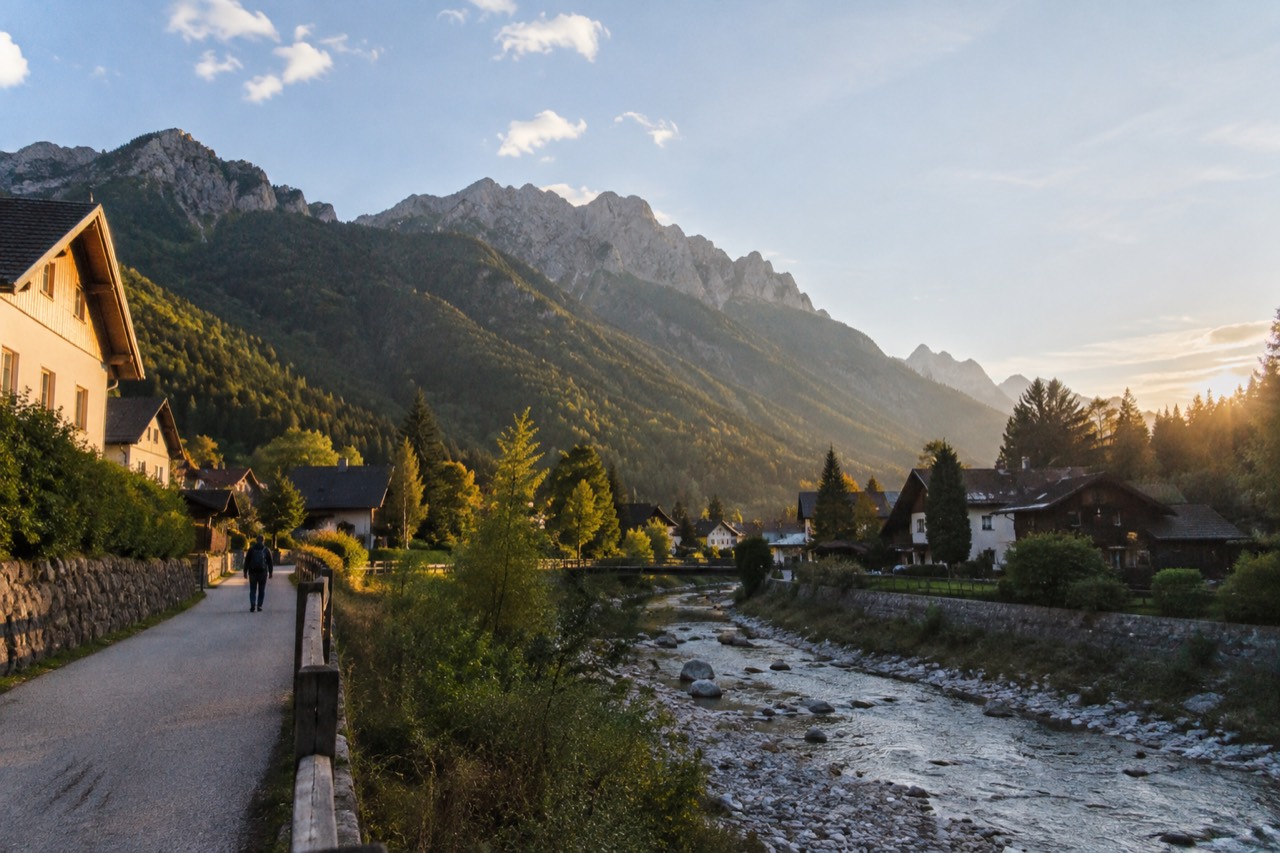
Kranjska Gora sits at the head of the Upper Sava valley, wedged between the Julian Alps on one side and the Karawanks range on the other, a few kilometres from both the Austrian and Italian borders. It is the sort of place that changes character completely with the seasons: a ski resort with World Cup pedigree in winter, a hiking and road-trip base in summer, and a quiet village of timber houses in between. Most visitors to Slovenia never make it here, because the itineraries they copy stop at Lake Bled and turn around.
This guide explains how the day trip from Ljubljana works, what you actually do once you are there, and which of the bookable options earns its price. The honest headline is that Kranjska Gora is not a sight you tick off, it is a landscape you spend time inside, so the planning question is less "what is there to see" and more "which version of the Alps do I want for one day".
Why Is Kranjska Gora Worth a Day Trip from Ljubljana?
Kranjska Gora earns the drive because it is the gateway to the Vršič Pass, the highest road pass in Slovenia, and to the Soča Valley beyond it, while the village itself offers easy lakeside walking, a ski area and direct views of the peaks that most visitors only see from Bled across the water. It is the closest place to Ljubljana where the Alps stop being a backdrop and become the whole day.
The distinction matters. Lake Bled, which you can read about in our Lake Bled day trip guide, gives you a postcard view of one lake and one island. Kranjska Gora puts you inside a working alpine valley: pastures, mountain roads, a river that runs turquoise a valley over, and a border region where three countries meet within a short drive of each other. For a visitor with a spare day who has already seen the city, it is the strongest single upgrade available.
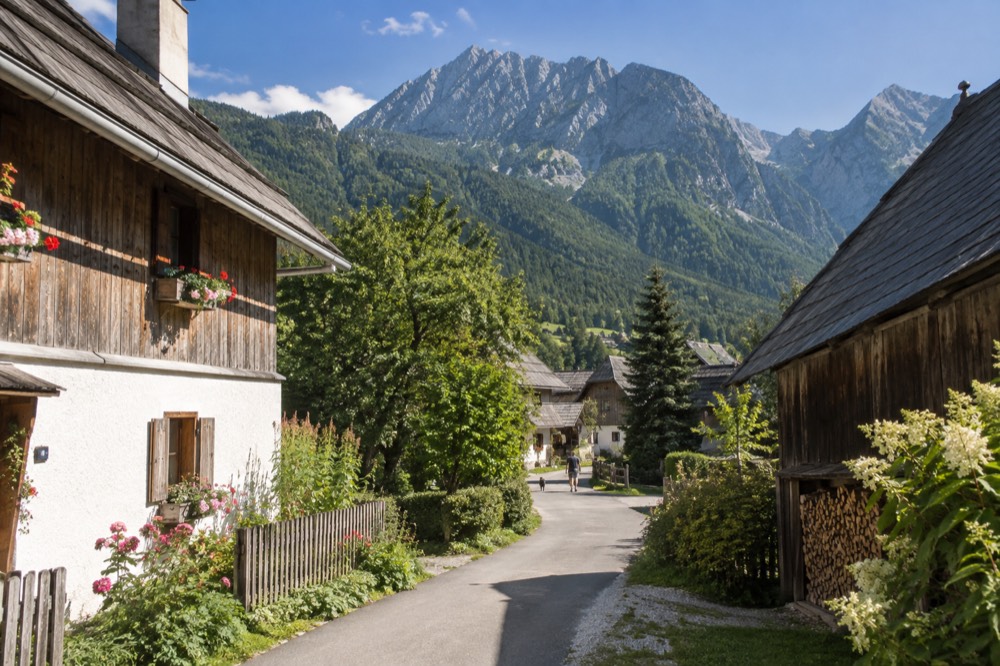
It is also genuinely practical. The village is small and walkable, the trailheads start at the edge of town, and the two biggest attractions, the Vršič Pass and the Zelenci springs, are short drives or rides from the centre. You do not need mountaineering experience or equipment to get a real alpine day here, just weather-appropriate clothes and a way up the valley.
The other reason is the light. Ljubljana sits in a basin, and from October to March the city spends much of its time under fog and low cloud while the high ground above it sits in sunshine. A day trip up to Kranjska Gora in the colder half of the year is not just a scenery decision, it is a weather escape. The section on seasons below has the actual numbers.
How Do You Get from Ljubljana to Kranjska Gora?
The realistic options are a hire car, a seat on a guided day tour, or a self-drive combined with the public bus network, and for a single day the guided tour is the one that guarantees you see the Vršič Pass and the Soča Valley as well as the village, because those roads demand a confident mountain driver and a full day of driving. The ten and a half hour guided tour from Ljubljana runs from $132 and rates 4.9 from 911 reviews.
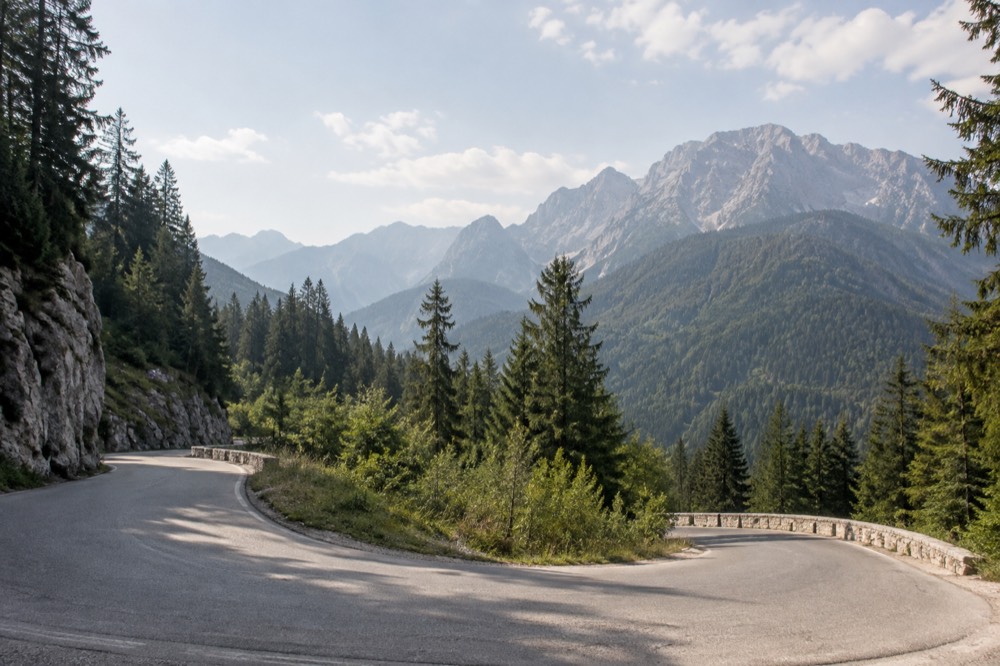
[Driving yourself](https://discovercars.tpk.ro/laYIo9hK) is straightforward as far as the village: the route runs north up the Sava valley toward the Austrian border, and the roads are well surfaced and well signed. The complication is the pass. The Vršič road is a series of numbered hairpin bends climbing through the Triglav National Park, and it is a different kind of driving from anything on the route up from the capital. If your plan is village plus pass plus the Soča in one day, the arithmetic gets tight.
The bus network reaches Kranjska Gora from Ljubljana, but a day trip by public bus means committing to departure times that eat into the day, and the pass itself is not on any bus route. That leaves two good answers. Either drive and accept that you will spend the day behind the wheel, or take the guided tour and let someone who drives these roads weekly handle the bends while you look out of the window.
That guided option, the Soča and Kranjska Gora day tour, is the strongest fit for the target keyword on this page for a reason: it is the only product that bundles the village, the pass and the valley into one departure from the city. You can Check availability on the live listing before committing to a date.
For comparison, here is how the main bookable day trips from Ljubljana stack up against each other on time and price. The figures come from the operators' live listings.
| Day trip from Ljubljana | Duration | Rating | From |
|---|---|---|---|
| Soča and Kranjska Gora guided tour | 10h 30m | 4.9, 911 reviews | $132 |
| Lake Bled and Bled Castle | 6 hours | 4.7, 1641 reviews | $86 |
| Postojna Cave and Predjama Castle | 6 hours | 4.8, 2802 reviews | $132 |
| Full-day Triglav National Park tour | 12 hours | 4.9, 205 reviews | $141.97 |
| Soča Valley and Kranjska Gora, 10 hours | 10 hours | 4.9, 183 reviews | $134.78 |
What Is There to Actually Do in Kranjska Gora?
The core activities are walking around Lake Jasna at the village entrance, riding or driving the Vršič Pass, visiting the Zelenci springs where the Sava Dolinka rises, hiking into the surrounding peaks, and in winter skiing the resort's slopes, and all of them except the skiing are free once you are there, since Triglav National Park charges no entry fee. A full but unhurried day covers the lake, the springs and the pass.
Start at Lake Jasna. It is a small pair of lakes a few minutes' walk from the village centre, with a golden ibex statue on the shore and a direct view up the valley toward the mountains. On a clear morning it is the best free half hour in the region, and the water is the colour that photographs from the Soča are famous for, just in miniature.
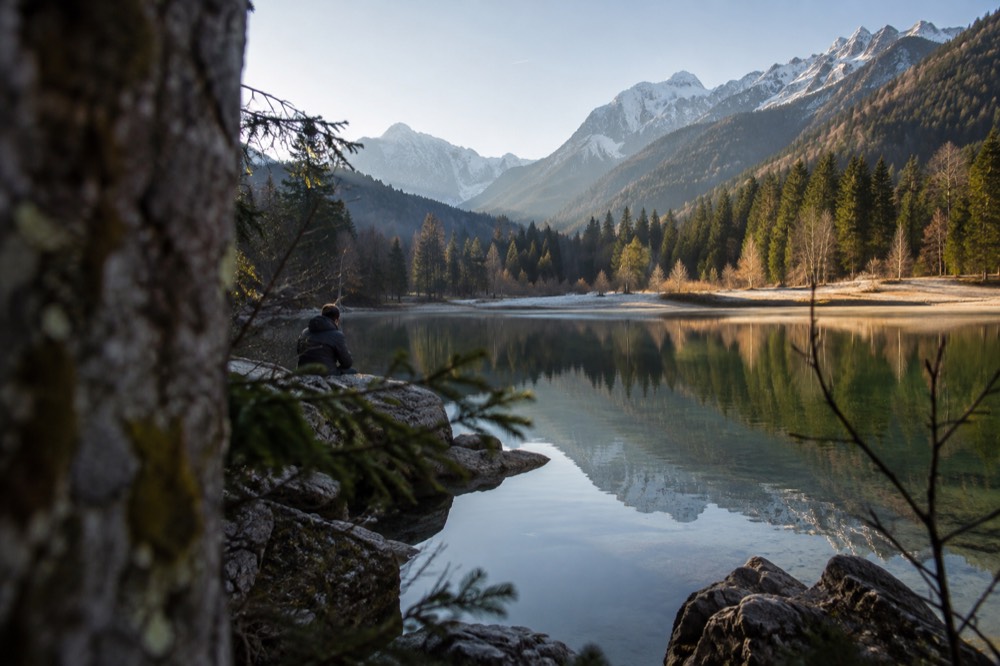
The Zelenci springs, a short drive north toward the border, are the source of the Sava Dolinka: a pool of astonishing green-blue water where the river emerges from the ground, set in a small nature reserve with a boardwalk. It is the kind of stop that costs nothing and stays in memory longer than a paid attraction, and it is ten minutes from the village.
Then there is the pass itself, which deserves its own section below. What ties the day together is that none of these stops involve queues, tickets or timed entry. Kranjska Gora is the opposite of a queueing destination. The Ljubljana Travel Guide desk rates it, among all the day trips covered on this site, as the best value per hour for anyone travelling outside peak summer weekends.
If you would rather not plan any of this yourself, the guided tours handle the whole loop. The ten-hour Soča Valley and Kranjska Gora tour covers the same ground with a 4.9 rating from 183 reviews, and the twelve-hour Triglav National Park full-day tour pushes deeper into the park for travellers who want the maximum alpine day.
What Is the Vršič Pass and Can You Do It in a Day Trip?
The Vršič Pass is the highest road pass in Slovenia, a cobbled-hairpin mountain road climbing from Kranjska Gora side across the Triglav National Park, and it is absolutely doable within a day trip as long as you treat it as the centrepiece of the day rather than an add-on. The pass road closes for winter, so it is a roughly May to October experience, and the weather decides more than the calendar does.
The road was built during the First World War by prisoners of war to supply the Isonzo front, which is why the hairpins on the north side are cobbled and why the route is dotted with chapels and memorials. It climbs to well over 1,600 metres and every numbered bend opens a different view: the Trenta valley dropping away toward the Soča, the north face of the Julian Alps, and on a clear day a horizon of limestone peaks in three countries.
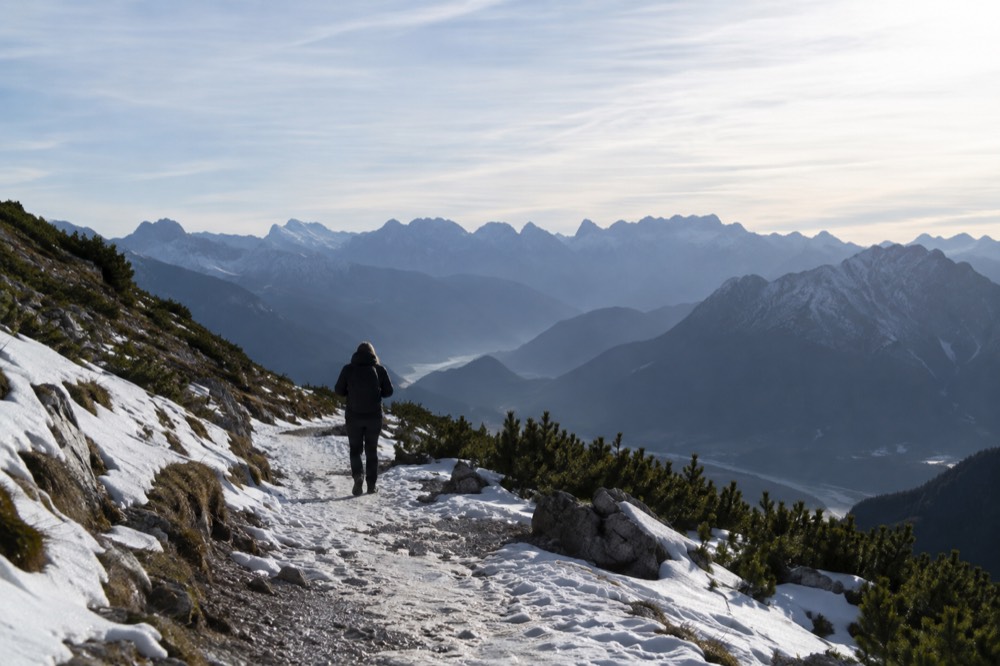
The practical warning is the closure. The pass sits under snow for much of the year and the road is shut through the winter months, with the opening depending on conditions each spring. If your day trip falls between November and April, the pass is off the menu and the Soča Valley needs the longer route around. That is the single biggest seasonal fork in planning a Kranjska Gora trip, and it is why the guided tours that include the pass are summer products.
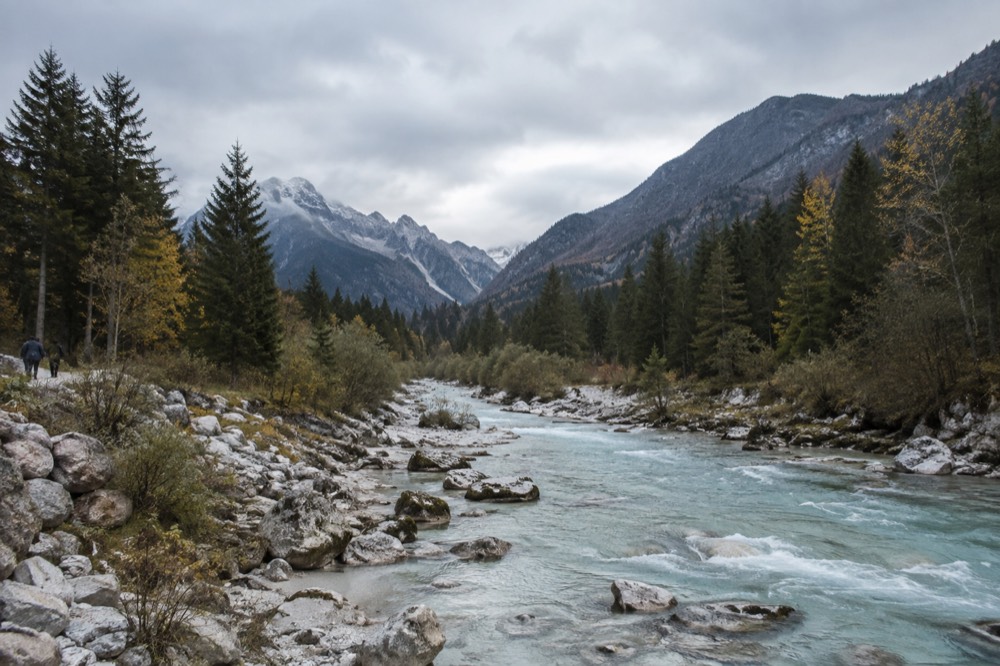
Crossing the pass drops you into the Trenta valley and the Soča, the river that gives the region its name and its colour. Our Soča Valley guide covers that side in depth, and the Vršič Pass page covers the road itself bend by bend. The ten and a half hour guided tour from Ljubljana is built around exactly this crossing: Kranjska Gora, the pass, and the Soča in one loop, rated 4.9 from 911 reviews and priced from $132.
When Is the Best Time of Year to Visit Kranjska Gora?
Summer, roughly June to September, is the best season for the full experience, because the Vršič Pass is open, the hiking trails are clear and the Soča is at its most photogenic, while winter, December to March, turns the village into a working ski resort with a completely different appeal. The shoulder months are the gamble: October can be glorious and quiet or grey and closed, and the pass shutters for the season somewhere in late autumn.
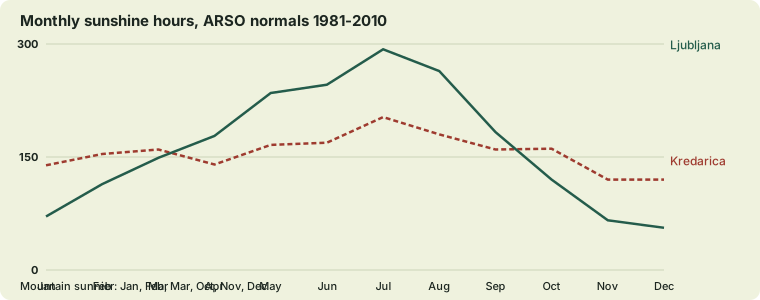
The honest planning data comes from the national weather service. Ljubljana, the city you are escaping for the day, sits in a basin at 299 metres and averages just 37 clear days a year against 130 overcast ones. In December the city records 56 hours of sunshine across the entire month, while Kredarica, the high-altitude station on Triglav at 2,514 metres, records 120 hours over the same month. The mountains above the basin inversion are sunnier than the city below it all winter.
| Month | Ljubljana sunshine (h) | Kredarica, 2514 m, sunshine (h) | Ljubljana rain (mm) |
|---|---|---|---|
| January | 71 | 139 | 69 |
| April | 178 | 140 | 99 |
| July | 293 | 203 | 115 |
| September | 183 | 160 | 147 |
| October | 120 | 161 | 147 |
| December | 56 | 120 | 107 |
Read the table the way a day-tripper should. From April to September the city wins on sunshine, so a summer day trip to the Alps is about scenery, not weather. From October to March the lines cross and the high ground wins, so a winter or late-autumn trip up to Kranjska Gora is one of the few moves that reliably buys you a sunny day in an otherwise grey season. The figures are from ARSO's 1981–2010 climate normals for both stations.
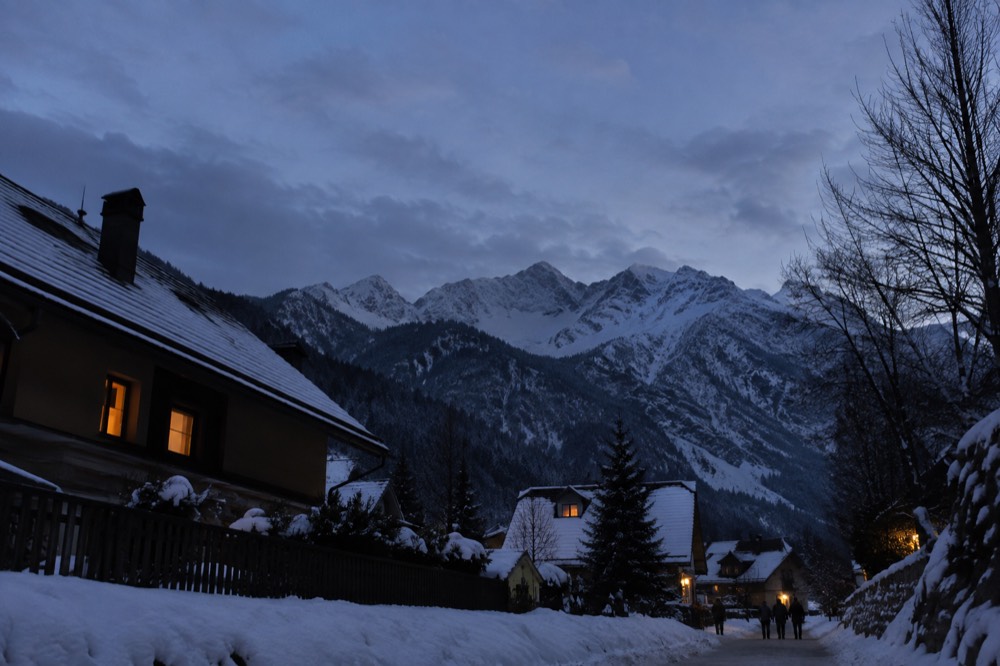
Winter deserves a fair hearing. Kranjska Gora is one of Slovenia's established ski resorts, and a winter day trip trades the pass and the hiking for slopes, snow and a village that looks built for a postcard. The trade-off is the drive up in possibly wintry conditions, which is another quiet argument for the guided option in the snow months. The Triglav National Park full-day tour runs year-round routes through the park and rates 4.9 from 205 reviews, from $141.97.
How Does Kranjska Gora Compare with Lake Bled and Postojna?
If you have one day trip only, choose Lake Bled for the iconic views on the shortest travel time, Postojna Cave if the weather is wet or you are travelling with children who love underground trains, and Kranjska Gora when you want a full alpine day and do not mind the longest journeys, since the Kranjska Gora and Soča tours run ten to twelve hours against Bled's six. They are not substitutes, they are three different days.
The comparison is worth making honestly because most visitors cannot do all three. Bled is the shortest and cheapest commitment: six hours, from $57 for the guided day tour, and the views are the ones Slovenia is famous for. Postojna is weather-proof, since the cave holds roughly the same temperature year round, which makes it the reliable answer on a wet forecast. Kranjska Gora is the deepest immersion and the longest day.
| Day trip | Best for | Duration | Weather-proof? | From |
|---|---|---|---|---|
| Lake Bled | First visit, photos, shortest day | 6 hours | Partly | $57 |
| Postojna Cave and Predjama | Rain, heatwaves, families | 6 hours | Yes, underground | $80 |
| Kranjska Gora and the Soča | Alpine scenery, driving passes | 10h 30m | No, needs decent weather | $132 |
| Bled, Postojna and Predjama combo | Maximum coverage in one day | 10–11 hours | Mostly | $133 |
There is a case for the combo tours if your Slovenia time is a single weekend. The eleven-hour Bled, Postojna and Predjama day packs the lake and the caves into one departure, rated 4.9 from 169 reviews and from $137. It skips the high Alps entirely, which is the trade: you see the two famous sights instead of the one spectacular landscape. Our Postojna Cave guide covers what that half of the day involves.
If it is the Alps you came for, and Bled feels too tame, the small-group Lake Bled and Triglav National Park tour splits the difference: ten hours, from $115, rated 4.8 from 140 reviews, combining the lake with park valleys. And for travellers who want alpine walking without the driving, the six-hour Velika Planina guided hike reaches a herdsmen's village on foot, from $86.
What Should You Know Before You Go?
Take layers and proper shoes, plan around the pass closure if you are travelling outside summer, carry cash as a backup for mountain huts, and remember that Slovenia is in the EU, the eurozone and the Schengen area, so there is no border formalities and no currency to change coming from Italy or Austria, both of which sit within a short drive of Kranjska Gora itself. The village is small, so book lunch ahead in peak season.
The border point is genuinely useful here, not trivia. Kranjska Gora sits close to both the Austrian and Italian frontiers, and day-trippers routinely cross into Tarvisio for lunch or drive the Wurzenpass road for the views. Because all three countries are inside Schengen, there are no routine internal border checks, and because Slovenia adopted the euro on 1 January 2007, the same currency works on both sides. The official government position confirms Slovenia abolished internal land and sea border checks on 21 December 2007, with air checks following on 30 March 2008.
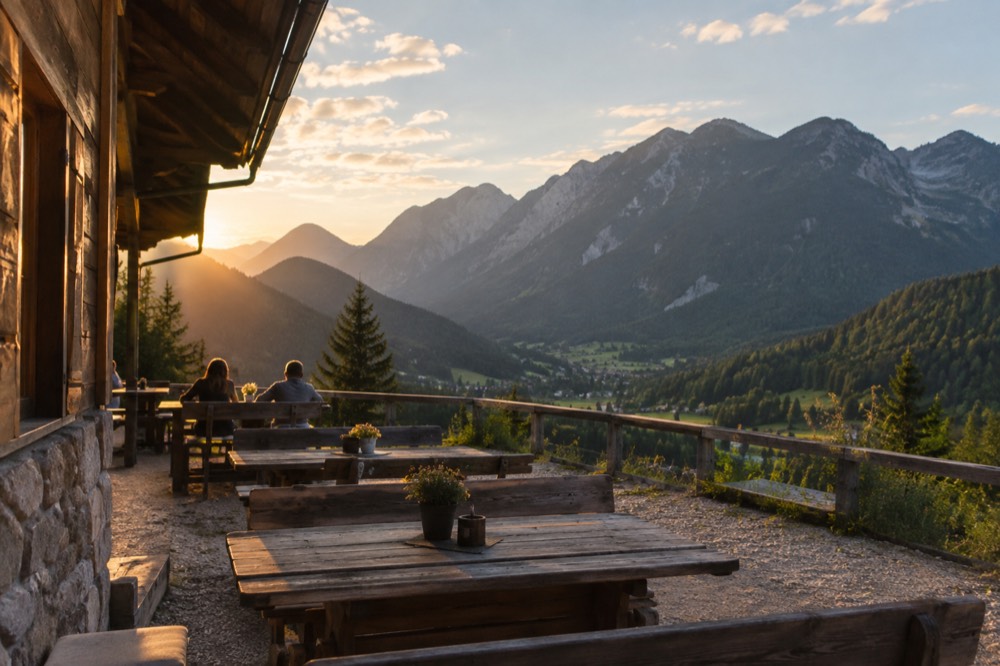
Clothing is the other practical one. The village may be warm while the pass is cold, and the temperature drops fast with altitude, so a layer you can put on at the top of the pass is worth more than an umbrella. Triglav National Park, which contains the pass road and much of the surrounding country, spans 840 square kilometres and charges no entry fee, but its weather is its own. The park's official information is the source for protected-area rules if you plan to hike off the marked paths.
| Practical point | What to know |
|---|---|
| Currency | Euro everywhere, including across the nearby borders |
| Border checks | None routine, all three neighbouring countries are in Schengen |
| Pass road | Closed in winter, opens depending on spring conditions |
| Park entry | Free, Triglav National Park charges no admission |
| Time needed | Village half a day, village plus pass and Soča a full day |
| Best tour fit | The 10h 30m guided loop from Ljubljana |
One last honest note on who should skip this trip. If you have less than a full day, or if the forecast is flat grey and you have not yet seen Bled or the caves, Kranjska Gora is the wrong allocation of your time. The village rewards a long day and decent weather. Give it those two things and it outperforms its modest fame.
The three strongest ways to spend a bookable day out of the city, for reference as you decide:
Common Questions About Kranjska Gora from Ljubljana
How far is Kranjska Gora from Ljubljana?
Kranjska Gora sits at the head of the Upper Sava valley in the far north-west of Slovenia, close to both the Austrian and Italian borders. It is a day trip rather than a half-day excursion, and the guided tours that cover it from Ljubljana run ten to twelve hours door to door, which tells you the travel time more honestly than any single number.
Can you visit Kranjska Gora and the Soča Valley in one day?
Yes, and that combination is exactly what the ten and a half hour guided tour from Ljubljana is built around. It crosses the Vršič Pass from the Kranjska Gora side and drops into the Trenta valley and the Soča, rated 4.9 from 911 reviews and from $132. Doing the same loop yourself by car is possible in summer when the pass is open, but it is a demanding day of mountain driving.
Is the Vršič Pass open all year?
No. The pass road closes for winter and reopens in spring depending on conditions, so treat it as a roughly May to October experience. If your trip falls in the snow months, the pass is off the itinerary and the Soča is reached by the longer valley route, which is why winter day trips focus on the village and the ski slopes instead.
Is Kranjska Gora worth visiting in winter?
Yes, for a different reason than summer. Winter turns the village into a working ski resort with a World Cup slalom history, and because Ljubljana sits under its basin fog while the high ground sits above it, a winter day in the mountains is often sunnier than a winter day in the city. The trade-off is the drive up in wintry conditions, which argues for a guided tour or a confident winter driver.
Do you need a car for a Kranjska Gora day trip?
A car works and gives you freedom around the village stops, but it is not the only option. The guided day tours from Ljubljana handle the driving, including the hairpin pass road, and public buses reach the village if you accept fixed departure times. For a single day that includes the pass and the Soča, the guided tour is the least stressful answer.
What should you wear for the day trip?
Layers, whatever the season. The temperature difference between the village and the top of the pass is significant even in summer, and mountain weather changes fast. Sturdy shoes matter more than fashion, since the best stops, Lake Jasna, the Zelenci springs and any viewpoint on the pass, involve gravel paths and uneven ground.