Ljubljana and Lake Bled in Three Days: The Complete Itinerary
Ljubljana and Lake Bled are close enough to share one short trip: two nights in the capital, one full day on the lake, and a third day that picks itself based on the weather.
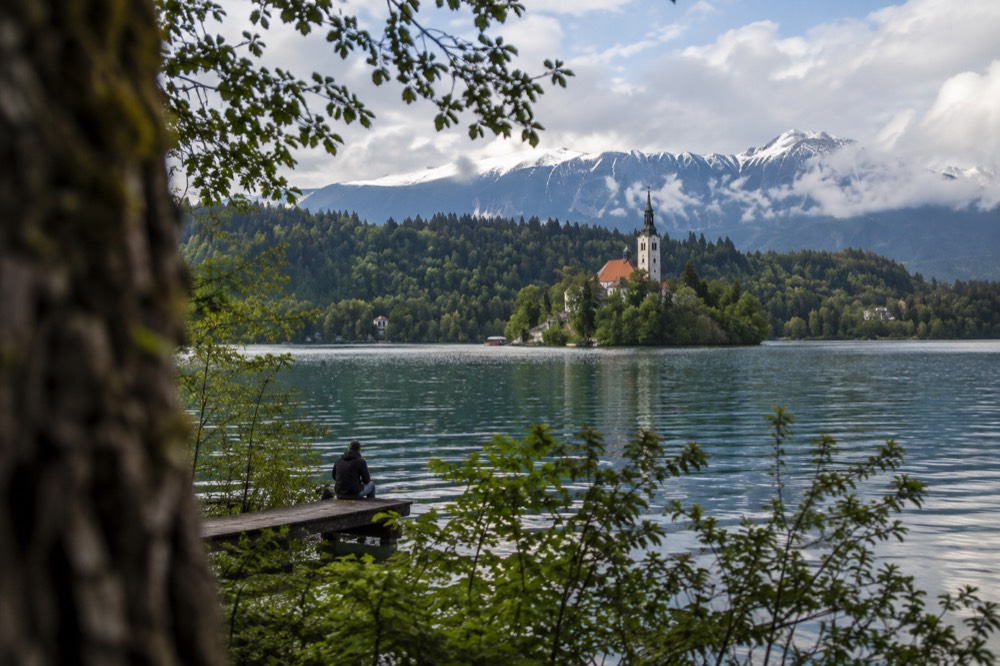
Short answer
Three days is enough for Ljubljana and Lake Bled if you base yourself in the city: day one covers the Old Town and castle, day two goes to Bled by tour or bus, and day three takes a cave or alpine day trip. The two are roughly an hour apart, and Bled's island, castle and gorge all fit in a single day.
Ljubljana recorded 1,392,728 tourist arrivals in 2025, and the arithmetic behind that number shapes every good itinerary here: 2,844,129 overnight stays across those arrivals works out to about 2.04 nights per visitor. This is a two-night city that people keep stretching to three, and the thing they stretch it with is almost always Lake Bled. Bled carries more search demand than the capital itself, which tells you the pairing is not a niche idea, it is the default Slovenian trip. Three days is the honest length for both: enough to see the Old Town properly, spend a full day at the lake, and still have a third day for the caves or the Alps that most first visits regret skipping. This Ljubljana Travel Guide itinerary is built entirely from official Slovenian price lists and climate tables, so every euro figure below is one you can verify at the source.
Why Ljubljana and Lake Bled Work Together in Three Days
The two are roughly an hour apart by road, they run on the same currency and the same Schengen border-free zone, and they solve each other's weaknesses: the city gives you evenings and restaurants, the lake gives you the scenery and the walk. Slovenia adopted the euro on 1 January 2007 and lifted its land and sea Schengen border checks on 21 December 2007, so there is no money to change and no border to clear anywhere on this route. Bled is a small place with a big view, and by late afternoon most day visitors feel they have seen it. Ljubljana, by contrast, is a pedestrianised capital with a river, a hilltop castle and a food scene that only really starts at seven in the evening. Splitting your nights between the two is possible, but basing all three nights in Ljubljana is cheaper, simpler and puts you next to the bus and train stations for every onward move.
The structure that works is fixed: arrive, drop bags, and spend the first afternoon and evening in the Old Town. Give the whole of day two to Bled, because the lake, the island, the castle and, in season, Vintgar Gorge genuinely fill a day. Keep day three flexible and decide it the night before, based on the weather, because the two best third-day options react to conditions in opposite ways. If you want to compare the two destinations in more depth before committing, the Ljubljana or Bled comparison breaks down the trade-offs night by night.
There is a seasonal wrinkle worth knowing before you lock dates. Vintgar Gorge is open to visitors between April and October and closes for winter; the operator deliberately does not publish an exact closing date because it depends on conditions, so check before travelling if your trip falls near either edge of the season. If you are coming between November and March, plan day three around a cave instead, because the caves hold roughly the same temperature year round and are the reliable answer to any weather Slovenia throws at you.
Day One: The Old Town, the River and the Castle
Give day one to Ljubljana itself: the Old Town's three bridges and the cathedral take a relaxed morning, the funicular or the footpath up to Ljubljana Castle takes the afternoon, and the riverside takes the evening, all inside a centre where you never need a car or a bus. The historic centre is a pedestrian zone of roughly 20 hectares, closed to general motor traffic and progressively expanded since 2007, so the whole first day can be walked without once crossing a road that matters. Start at Prešeren Square, where the Franciscan Church faces the Triple Bridge, and work east along the Ljubljanica past the Central Market's colonnades toward the Dragon Bridge. That arc is barely a kilometre end to end, but with the cathedral, the Plečnik details and the market stalls it fills a morning easily.
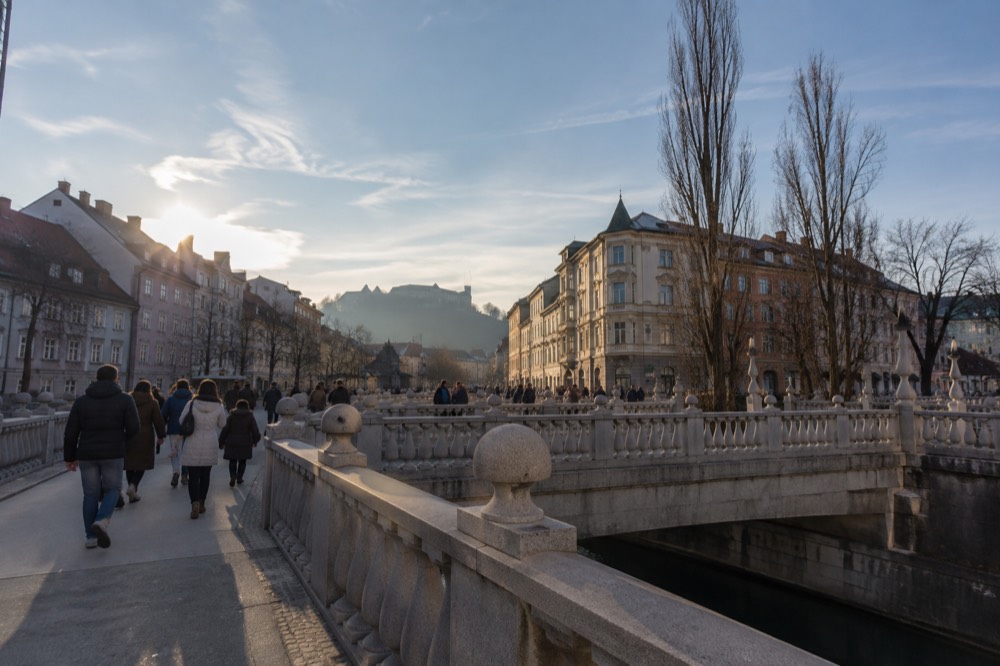
The castle is the afternoon. The grounds sit on a wooded hill directly above the centre, and the castle's own price list puts a combined castle-and-funicular ticket at 19.00 EUR for an adult, with the funicular alone at 3.30 EUR single or 6.00 EUR return. The funicular runs 09:00 to 19:00 from January to April and October to December, and 09:00 to 22:00 from May to September, and the castle is open 365 days a year. If you would rather climb, the footpath through the woods from behind the market takes about twenty minutes and costs nothing. The Ljubljana Castle guide covers the exhibitions inside in detail.
A guided walk is the efficient way to absorb the first day, and the free option here is genuinely strong. The Ljubljana Unveiled walk on GuruWalk runs about two hours from Roman roots to the Dragon Bridge, is free with tips at the end, and carries a 4.91 rating from 1,496 reviews. Two hours with a local guide on day one buys you the orientation that would otherwise take two days of wandering to build. There are also paid options if you prefer a set structure: a guided walk with the funicular ride included covers the Old Town and the castle ascent in one booking.
Spend the evening on the river. The Ljubljanica is the spine of the city, and a 50-minute cruise costs 15 EUR with the Barka operator from the Breg 1 pier, running hourly from 11:00 in the May-to-September season. If you are carrying a Ljubljana Card, the river cruise is already included, along with the funicular, the city buses, a guided walking tour and one entry to each of more than thirty museums and galleries, which makes the card worth doing the arithmetic on before you buy anything separately. The 24-hour tier costs 41.00 EUR, and the castle funicular ticket plus a river cruise alone come to roughly 34 EUR before a single museum, so the card pays for itself quickly on a full first day. The full Ljubljana Card breakdown runs the numbers for the 48 and 72-hour tiers too.
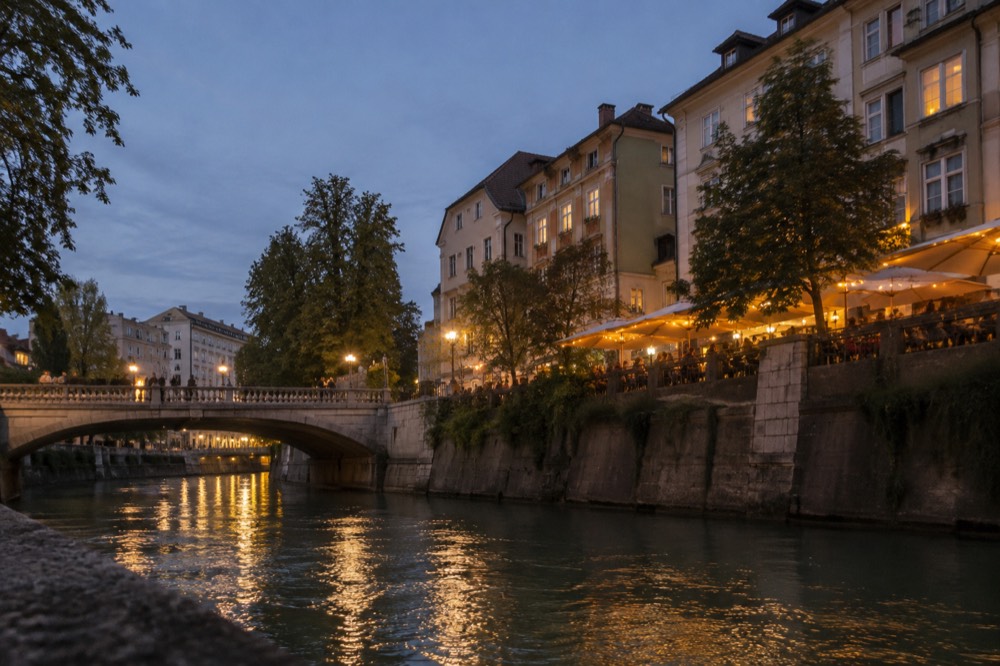
For dinner, the riverside rows between the Triple Bridge and Šentjakob Bridge fill with tables from spring onward, and the Open Kitchen street-food market runs on Pogačarjev Square on Fridays, roughly March to November, from 10:00 into the evening. One caution from the official listing: the market's own wording is that it runs "every sunny Friday", which is literal, and it is cancelled in bad weather. Check the sky before you plan your one Friday around it.
Day Two: Lake Bled, the Island and the Castle
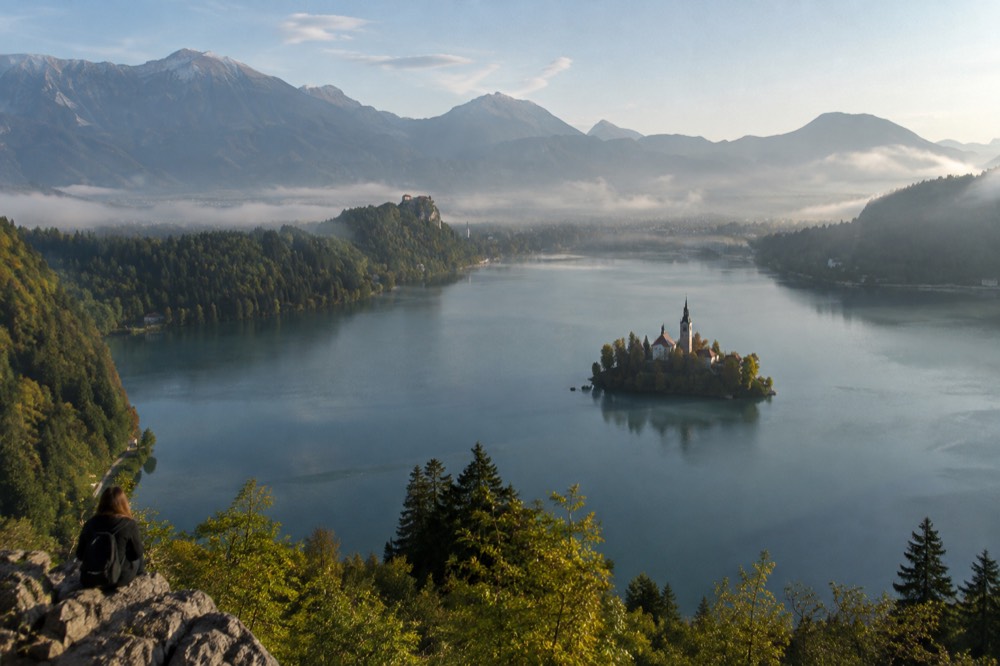
Day two is the Bled day: the lake loop is a flat, strollable circuit, the island is reached by pletna boat or by rowing yourself, and Bled Castle's terrace is the viewpoint that every photo of the lake comes from. The practical numbers are simple. A pletna, the traditional flat-bottomed boat, charges 20 EUR per person for the trip to the island, while the electric Bled Boat Line charges 16 EUR per person. Bled Castle charges 19.00 EUR for an adult. Walk the lake path in either direction first, because the loop takes about ninety minutes at a stroll and shows you every angle of the island before you commit to a boat.
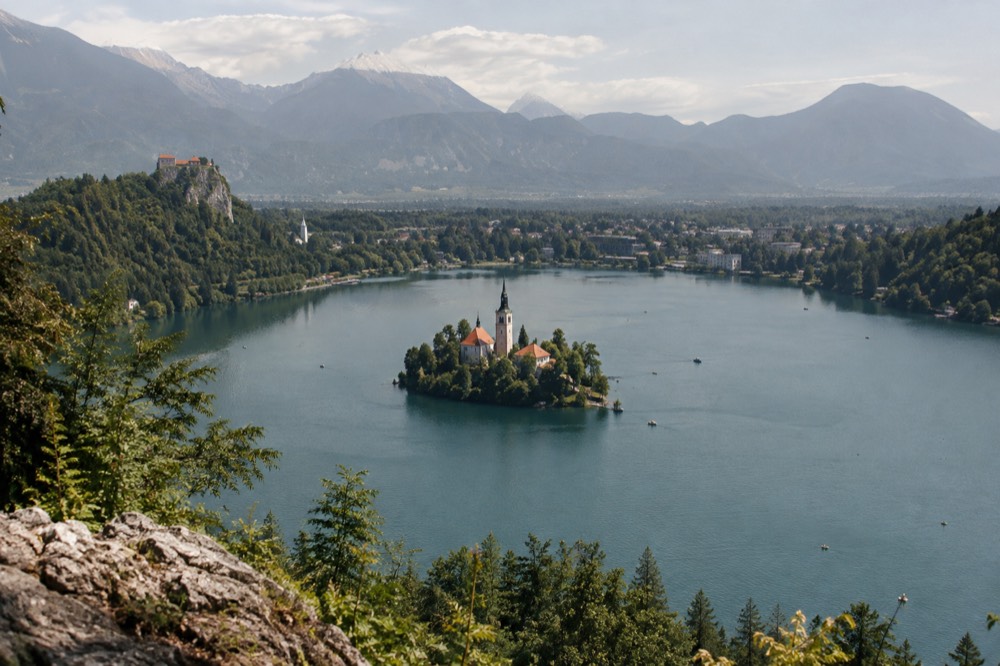
Getting there is the one decision to make in advance. Coaches run from Ljubljana's bus station toward Bled throughout the day, but neither the coach operators nor the rail company publish a static fare table that can be verified, so treat the journey time and price as things to confirm when you buy, not things to plan on. If you would rather not manage buses at 8am on holiday, a guided day trip removes the whole question. The Lake Bled and Bled Castle trip from Ljubljana runs six hours, is rated 4.7 from 1,641 reviews, and pairs the transport with the castle visit so you are not standing in a ticket line on the cliff. The dedicated Lake Bled guide covers the full sight list if you want more than the one-day highlights.
The same operator's listing shows a strong review history, and the six-hour window is deliberate: it is long enough for the lake path, the island and the castle terrace without rushing, and short enough that you are back in Ljubljana for dinner. That evening balance is the quiet advantage of basing yourself in the city rather than at the lake, and it is why this itinerary never asks you to change hotels.
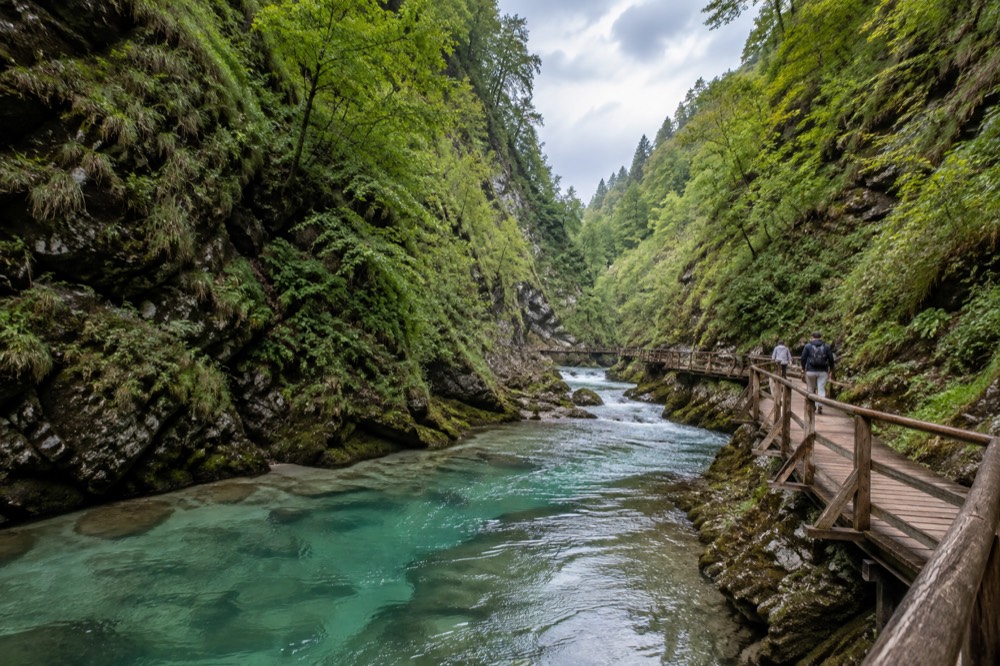
If you have your own wheels or a late bus back, the castle is worth the climb for the terrace alone, and the stair-and-path route up from the lake's western end is short but steep. Give the island an hour: the pletna drops you at the south stair, the church sits at the top of 99 stone steps, and the boat operators run on a rotation rather than a fixed timetable. Between April and October, add Vintgar Gorge, 4 km north of the lake, where a wooden walkway follows the Radovna through a narrow canyon; the adult All-in-One Pass is 15.00 EUR, timed-entry slots apply, and the operator states the busiest hours are between 10:00 and 13:00, so book an early or late slot and check the official opening-hours page for the day's window. The Vintgar Gorge guide has the full seasonal hours table.
One rail detail that most guides get wrong: if you come [by train](https://omio.tpk.ro/exV6rGgH), the station called Lesce-Bled is 4 km from the lake, but Bled Jezero station, on a different line, is only 1.5 km from the centre. Check which one your train actually serves before assuming the walk is short. And if the day is hot, the lake's swimming spots are informal and popular; there is no official published water temperature or swimming ruling, so judge the water from the shore like everyone else does.
Day Three: Caves, Coast or Alps, Decided by the Sky
Day three should be chosen the evening before, because the two best options want opposite weather: the caves hold the same 10 to 12 degrees Celsius year round whatever is happening above ground, while the Julian Alps trips want a clear window to be worth the drive. Postojna Cave, an hour's drive southwest, holds 10 C whatever month it is, runs a 3.7 km route partly by underground train, and charges 34.90 EUR for an adult with the tour lasting about an hour and a half. Predjama Castle, the cliff-face castle 9 km away, charges 24.00 EUR and is open year-round. A combined tour ticket from Ljubljana bundles both with the transport in a six-hour day, which matters because the cave's departure grid is a month-by-month timetable rather than a fixed daily list, and a booked tour removes the timing risk.
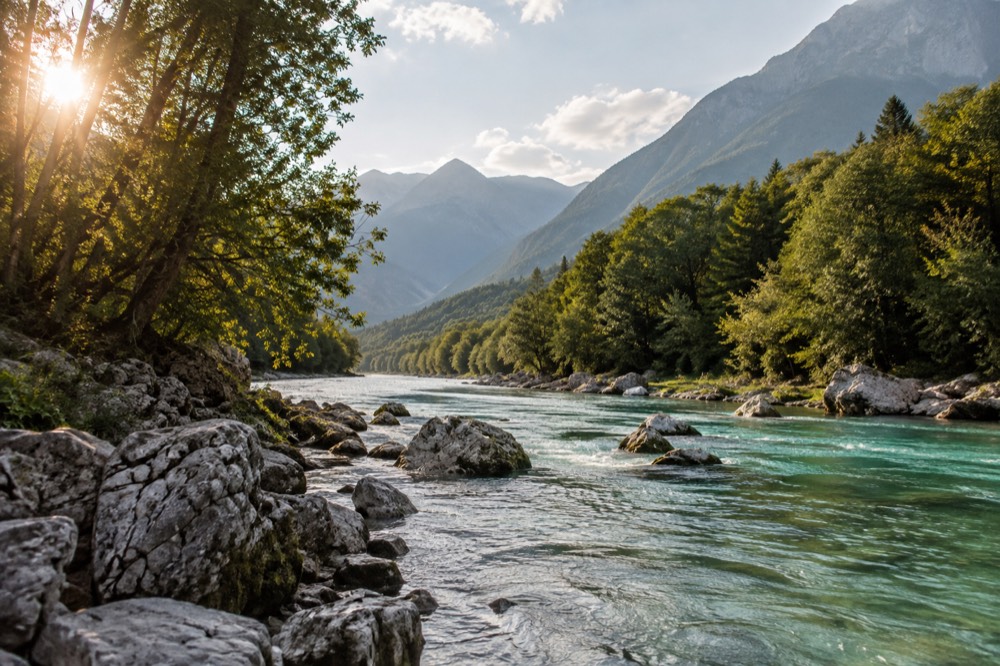
If the forecast is clear, the alpine option instead. The Soča Valley and Kranjska Gora day tour runs ten hours into the Julian Alps and the emerald Soča river country, and the Velika Planina guided hike is a gentler six-hour alternative to a herdsmen's village above the Kamnik Alps. The rule of thumb for this itinerary: caves for grey, Alps for blue, and the Škocjan Caves, a UNESCO World Heritage site inscribed on 28 November 1986, as the quieter cave if Postojna's scale puts you off. Škocjan charges 16.00 to 24.00 EUR for an adult depending on the month, and its tour is a two-and-a-half to three-hour walk with roughly 400 stairs, where Postojna is a train ride: that contrast is the real decision, not the price. The Postojna Cave guide and the Škocjan Caves guide compare the two in full.
What Three Days in Ljubljana and Lake Bled Costs
A realistic budget for this itinerary is built from the fixed official prices in the table below, with the biggest variables being the boat, the castle tickets and whether you take guided tours or self-drive, and the two levers that bend the total are the city card and the free walks. The table uses only official published prices for the fixed items; tour prices sit on each operator's live listing and move with the season, so treat those rows as structure rather than gospel.
| Item | Official price | Notes |
|---|---|---|
| Ljubljana Castle ticket with funicular | 19.00 EUR | Covers tower, exhibitions and return funicular |
| Ljubljana river cruise, 50 min | 15.00 EUR | Barka operator, Breg 1 pier, May-Sep season |
| Pletna boat to Bled Island | 20 EUR per person | Traditional boat, rotation timetable |
| Bled Castle, adult | 19.00 EUR | Terrace viewpoint included |
| Vintgar Gorge, adult | 15.00 EUR | April to October only, timed entry |
| Postojna Cave, adult | 34.90 EUR | 10 C year round, 1h30 tour |
| Predjama Castle, adult | 24.00 EUR | Open year-round |
| Tourist tax | 3.13 EUR per person per night | 2.50 EUR tax plus 0.63 EUR promotion surcharge |
Two ways to bend the total. The Ljubljana Card, at 41.00 EUR for 24 hours, covers the funicular, the cruise, the buses, a guided walk and more than thirty museums, and it beats separate pricing the moment you add a second museum to the castle and the boat. Going free instead, the castle grounds, the entire pedestrian centre, the Tivoli Park paths and the free GuruWalk tip-based walks cost nothing beyond what you choose to tip, which is why the first day of this itinerary can be run for the price of dinner.
| Day | Morning | Afternoon | Evening |
|---|---|---|---|
| Day one | Prešeren Square, Triple Bridge, cathedral | Funicular and castle | Riverside dinner, optional cruise |
| Day two | Coach or tour to Bled, lake loop | Pletna to the island, Bled Castle | Return, Old Town evening |
| Day three | Postojna and Predjama, or Soča Valley | Same, continuing | Final dinner in the centre |
When to Run This Itinerary: The Fog Nobody Warns You About
The best months for this exact three-day structure are May, June and September, but the counterintuitive fact is that September and October are Ljubljana's foggiest and wettest months, level with December for fog and above July for rain, which changes how you should plan each day. ARSO's 1971-2000 normals give Ljubljana 12.4 fog days in each of September and October, above January's 11.3 and within a rounding step of December's 12.6, and the 1981-2010 table makes September and October the joint wettest months at 147 mm each against July's 115 mm. Autumn here is not the dry shoulder season that the guidebook shorthand assumes.
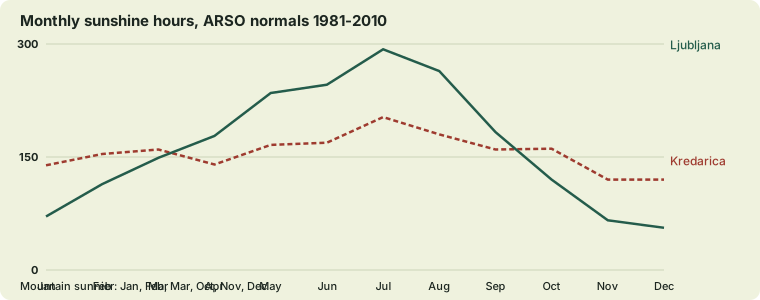
The practical consequence is the single most useful weather fact on this site. When the basin is grey, go up or go out: the castle hill, Šmarna Gora, the Bled day or any alpine trip can sit above the fog while the centre is under it. In winter this inverts the usual advice, because the mountains above the basin are sunnier than the capital from October to March, and only in the April-to-September half does the city win on sunshine. If you are travelling in the colder half of the year, plan day two or three for whichever morning the forecast shows the fog lifting, and keep a cave in reserve for the days it does not. The month-by-month detail sits in the best time to visit Ljubljana guide.
Getting Around Without a Car on This Itinerary
You do not need a car for any of the three days: the centre is pedestrianised, the buses to Bled leave from the station beside the rail terminal, and every day trip on this page runs as a guided tour with transport included, so the whole structure works on foot and public transport alone. In the city itself, LPP buses take contactless bank cards and phones directly on board, but they do not accept cash, and a single zone 1 ride costs 1.50 EUR for 90 minutes including transfers. That no-cash rule is the detail most older guidebooks have wrong.
For the Bled leg, the choice is between the [coach](https://busbud.tpk.ro/4kLAIElq) from the Ljubljana bus station, the train to one of the two Bled stations, or a booked tour that collects you in the centre. The coach is the most frequent and the train the most scenic approach, but because no verified fare or timetable table can be published for either, buy at the station on the day or let a tour handle it. For the cave day, the case for a tour is stronger still: Postojna's departure grid varies by month, the site is not walkable from any town, and a six-hour booked day from Ljubljana costs less in hassle than it does in euros.
| Leg | Car-free options | Best for |
|---|---|---|
| Centre to castle | Funicular, or the woodland footpath | The footpath is free and takes 20 minutes |
| Ljubljana to Bled | Coach, train, or guided day trip | Tours remove all timing decisions |
| Ljubljana to Postojna | Guided cave-and-castle tour | Only realistic car-free option in one day |
| Around the lake | The lake path on foot | Flat, strollable, no transport needed |
| Bled to Vintgar | Local bus or short taxi, season permitting | Gorge is 4 km from the lake |
Where to Stay for This Itinerary
Stay all three nights in Ljubljana's centre, within the pedestrian zone or just across the river from it, because every leg of this itinerary starts from the bus and rail stations a ten-minute walk from the Old Town, and moving hotels mid-trip costs you a morning for nothing. Splitting the nights between the city and Bled sounds balanced but costs you an evening in the better evening city and a morning of repacking, and Bled's accommodation fills first in summer anyway. The Trnovo and Krakovo quarters just south of the centre put you in quieter streets within ten minutes' walk of everything, while the station-side streets trade a little charm for the easiest possible morning departures. If you would rather wake up at the lake, reverse the structure and spend nights two and three in Bled, but accept that the cave day then becomes a longer drive. The where to stay in Ljubljana guide maps the neighbourhoods district by district.
Whatever you choose, book the castle, the gorge slots and the Bled boat before you leave home in July and August. The pletna queue and the Vintgar timed-entry system are the two places this itinerary can snag in high summer, and both are solved by a morning start.
Common Questions About Ljubljana and Lake Bled in Three Days
Is three days enough for Ljubljana and Lake Bled?
Yes. Two days cover the Old Town, the castle and a full Bled day, and the third day adds either the caves or the Julian Alps. Most visitors stay about two nights, so three days already puts you ahead of the typical trip.
Should I stay in Ljubljana or Lake Bled?
Base in Ljubljana. The city has the restaurants, the pedestrian centre and the transport links, and Bled is an easy day trip from it. Bled itself is quiet by evening and books out first in summer.
Can I do Lake Bled as a day trip from Ljubljana?
Easily. Coaches and trains run there daily, and guided tours from Ljubljana cover the lake, the castle and the island in about six hours including transport.
Do I need a car for Ljubljana and Lake Bled?
No. The centre is pedestrianised, the Bled leg works by coach, train or tour, and the cave day trips all run from Ljubljana with transport included. A car only helps if you want to reach Vintgar Gorge or the alpine valleys on your own schedule.
What is the best month for this itinerary?
May, June and September balance sunshine, water levels and crowds. Avoid assuming September is a dry shoulder month: it ties with October as Ljubljana's wettest and foggiest month on record.
Is Vintgar Gorge open all year?
No. The gorge is open to visitors between April and October and closes for winter, with the exact closing date depending on conditions. Check the official page before travelling in either shoulder month.