Ljubljana or Bled: Where to Base Yourself
Ljubljana is a two-night city of museums, river banks and restaurants, while Bled is a small lakeside resort built around one famous view. Most visitors should sleep in Ljubljana and day trip out, but a Bled base wins for one specific kind of trip.
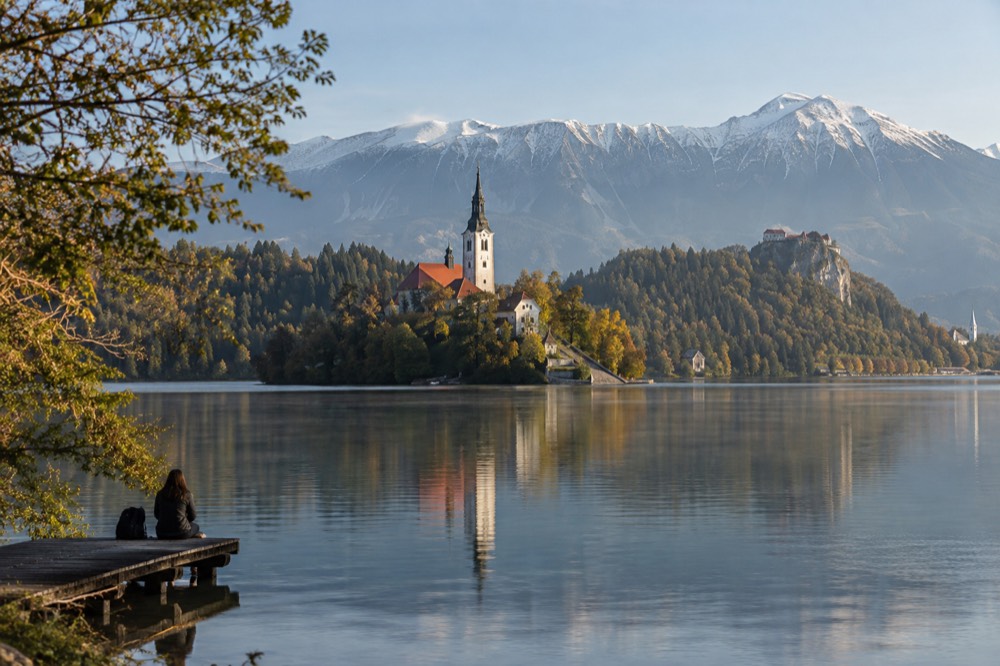
Short answer
Base yourself in Ljubljana if you want restaurants, museums and easy day trips to caves, the coast and the Alps; Bled only fully covers the immediate lake and Triglav National Park. Sleep at Bled if your trip is short, outdoors-focused and centred on the lake. Ljubljana to Bled is about an hour by road, so the two are close enough to combine.
Ljubljana recorded 1,392,728 tourist arrivals and 2,844,129 overnight stays in 2025, which works out to an average stay of about 2.04 nights. It is a two-night city. Bled, an hour up the road, is a resort village of a few thousand people wrapped around a lake that carries more search demand than the entire capital. Choosing between them as a base is the single biggest planning decision on most Slovenia itineraries, and the honest answer depends on what kind of trip you are building.
Which Is Better for a First Visit, Ljubljana or Bled?
For a first visit to Slovenia, Ljubljana is the better base for most travellers. The capital sits at the hub of every transport line in the country, so Postojna Cave, the Škocjan Caves, Piran, Zagreb and the Julian Alps all radiate out from it as day trips. Bled is beautiful but small: after the lake, the castle, the island and Vintgar Gorge, the village itself quiets down by early evening, and its restaurant scene is a fraction of the capital's.
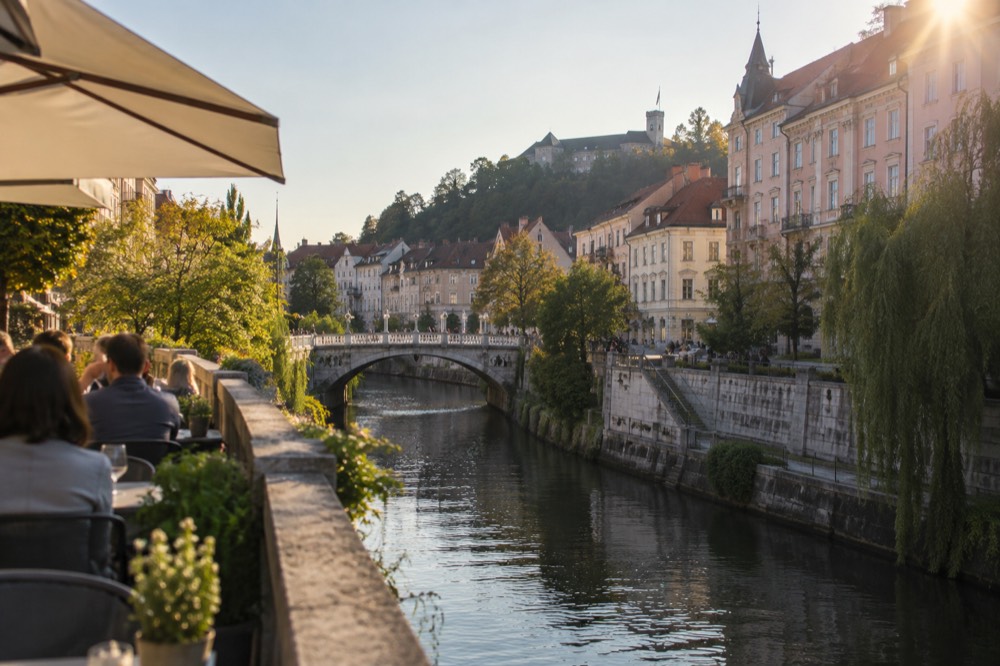
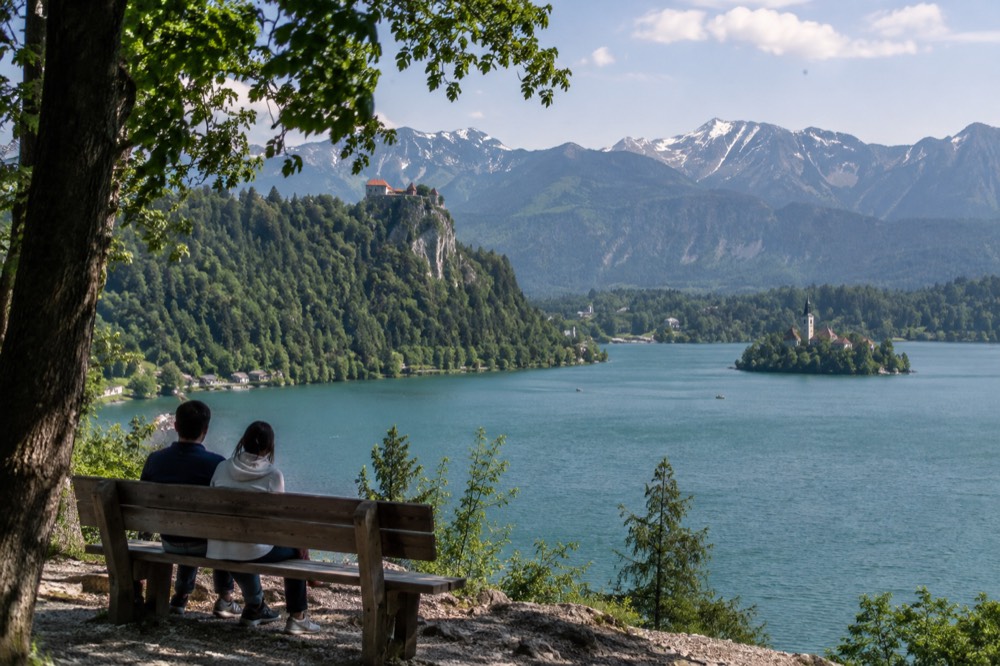
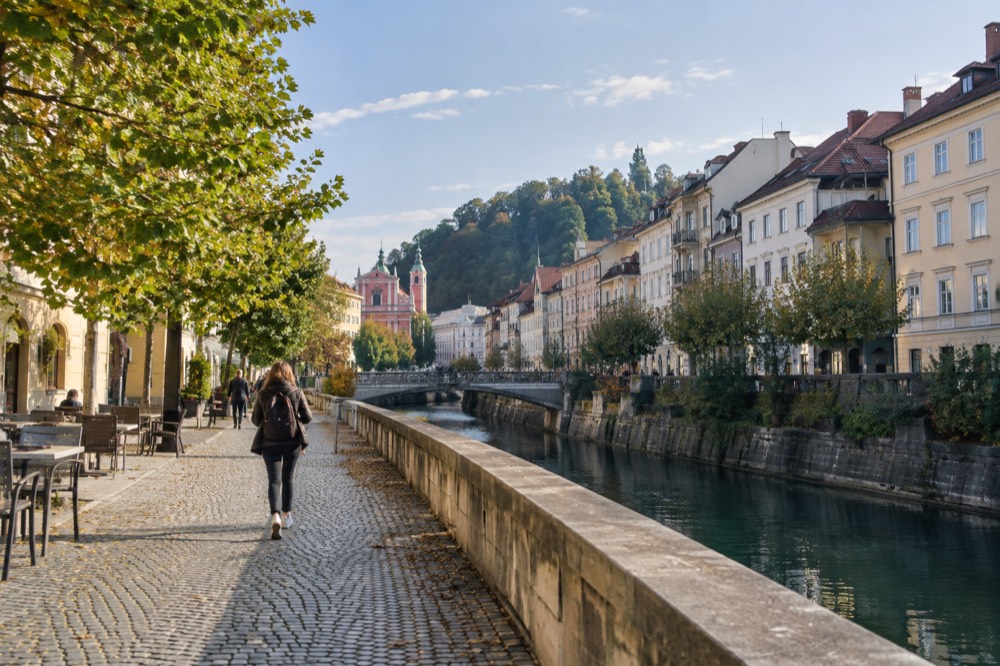
The two places are not really competitors. Ljubljana is a working Central European capital with a pedestrianised centre of roughly 20 hectares, a castle on the hill, and a river bank lined with bars and market stalls. Bled is a single concentrated image: a lake, an island with a church, a cliff castle and the Julian Alps behind. You can see the essential Bled in a long day. You can also see the essential Ljubljana in a day, but Ljubljana rewards the second evening in a way Bled does not.
The mistake first-time visitors make is treating Bled as a destination with a week of content. It is not. It is a viewpoint with a superb hinterland. The question is whether you want to sleep inside that viewpoint or commute to it, and the commuting is short enough that it barely hurts.
Where Should You Stay If You Only Have One Base?
With one base and two to four nights, stay in Ljubljana and day trip to Bled. The road distance is short, guided tours run daily, and the capital gives you evening options, food variety and the widest day-trip choice from a single bed. With five or more nights and an outdoor focus, split the stay: two or three nights in Ljubljana, then two at Bled to wake up on the lake and reach Triglav National Park without a daily drive.
The arithmetic is simple. From a Ljubljana bed you can reach Bled, Postojna, Predjama, Škocjan, Piran, Velika Planina and the Soča Valley, each as a bookable day trip with transport included. From a Bled bed you can reach the lake on foot, Vintgar Gorge in season, and the western Julian Alps, but the cave and coast trips turn into long return drives and the city's museums become a commute. One base in Ljubljana covers more of the country.
The split-stay option deserves more credit than it gets. Bled at dawn, before the day-trip coaches arrive, is a different place from Bled at midday, and the lakeside paths and the walk up to viewpoints are at their best in that window. If your trip is a week and you want both the city and the mountains, moving once is cheaper in time than commuting daily.
If you are leaning toward the day-trip route, these are the three formats that fit a Ljubljana base best:
The differences between them are real. The six-hour Lake Bled and Bled Castle trip, rated 4.7 across 1,641 reviews and from $86, pairs the lake with the clifftop castle. The Lake Bled Day Tour, from $57 and rated 4.8 from 888 reviews, is the lighter, cheaper format. The small-group version at 5 hours 30 minutes, rated 4.9 from 293 reviews and from $76, trades size for intimacy and adds the island. Whichever you pick, the operator's live listing carries the current departure times.
Can You See Lake Bled Properly on a Day Trip from Ljubljana?
Yes, comfortably. The road journey each way is short enough that a six-hour tour still leaves three or more hours at the lake, which is enough for the castle viewpoint, a walk along the shore and a boat out to the island. What a day trip cannot give you is Bled at dawn and Bled after dinner, the two hours when the village is at its quietest and the light is best. If those hours matter to you, that is the case for sleeping there.
A structured day trip solves the transport question entirely. The Lake Bled and Castle day trip from $86 runs six hours, rated 4.7 across 1,641 reviews, and includes Bled Castle, whose adult entry is 19.00 EUR on the castle's own price list. The pletna boat to the island is 20 EUR per person and the electric Bled Boat Line is 16 EUR per person, both paid on the spot, so budget for those separately.
The reason this tour suits the one-base question so well is that it removes the only real cost of staying in Ljubljana: the logistics of reaching the lake. You board in the centre, arrive with the group, and the castle leg is already inside the ticket. For a traveller who wants the lake without the commitment of moving hotels, it is the cleanest answer on the roster.
For the independent version, the practical detail that matters most is the two-station trap on the railway. Most rail advice sends people to Lesce-Bled station, which is 4 km from the lake, while Bled Jezero station on a different line is only 1.5 km from the centre. Bled's own visitor information publishes both distances. Neither the rail operator nor the coach operators publish a static fare table that can be verified in advance, so check the live booking systems rather than any quoted figure, and see our Ljubljana to Lake Bled guide for the full route breakdown.
| Day-trip format from Ljubljana | Duration | Rating | From | Best for |
|---|---|---|---|---|
| Lake Bled and Castle trip | 6 hours | 4.7, 1,641 reviews | $86 | Castle plus lake in one tidy block |
| Lake Bled Day Tour | 6 hours | 4.8, 888 reviews | $57 | The budget-friendly introduction |
| Small-group castle and island tour | 5h 30m | 4.9, 293 reviews | $76 | Fewer people, island included |
| Private taxi day trip | 5 hours | 4.8, 44 reviews | $354.67 | Families and fixed schedules |
What Does a Bled Base Give You That Ljubljana Cannot?
A Bled base gives you the lake before the crowds and after them, walking access to Vintgar Gorge in season, and the shortest possible mornings inside Triglav National Park. It cannot give you a city: the museums, the theatre, the restaurant depth and the nightlife are all in Ljubljana, and Bled's own dining scene is modest. Choose Bled when the trip is outdoors-first, choose Ljubljana when it is city-plus-day-trips.
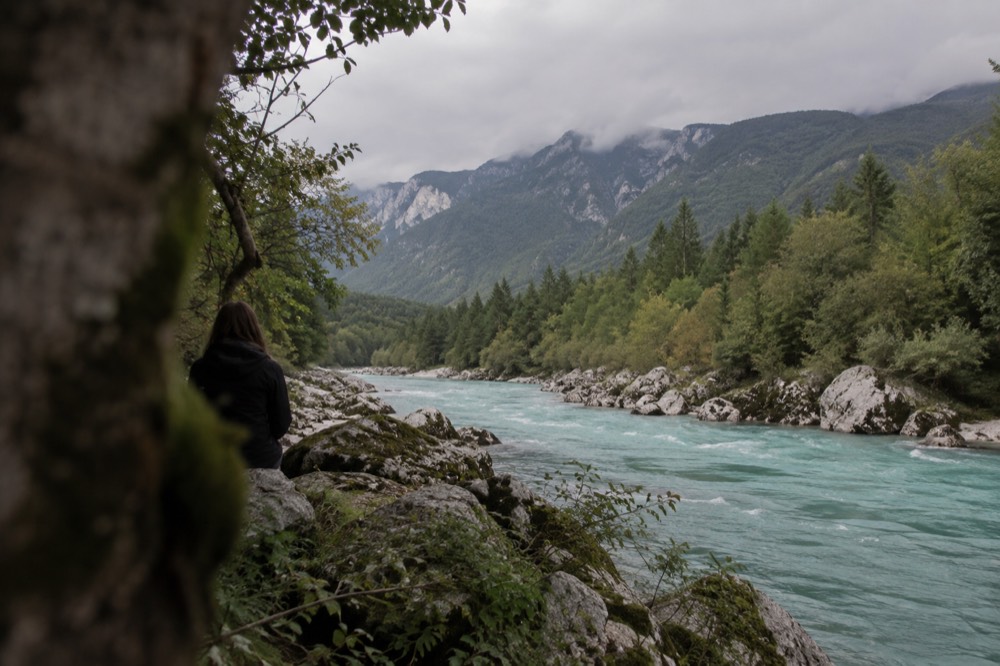
The Triglav National Park argument is the strong one. The park covers 840 km², entry is free, and its western half, the Soča headwaters, Pokljuka plateau and the high passes, is all dramatically closer to Bled than to the capital. Mount Triglav itself stands 2,864 m, and the park has been protected in its current form since 1981, with earlier protection dating to 1924. A walker or cyclist based at Bled can be on a trailhead in twenty minutes; from Ljubljana the same trailhead is a ninety-minute drive each way.
Vintgar Gorge is the other Bled-side asset, with a catch: the gorge is open to visitors between April and October and closes for winter, and the operator deliberately does not publish exact closing dates because they depend on conditions. The adult All-in-One Pass is 15.00 EUR, timed-entry slots apply, and the operator's own page notes the busiest window is 10:00 to 13:00. A Bled base lets you be at the gate for opening instead of arriving with the coaches.
For the Soča Valley specifically, the drive from Bled through the upper reaches of the park is the reason many people base themselves at the lake. The ten-hour Soča and Kranjska Gora guided tour from Ljubljana, rated 4.9 from 911 reviews and from $132, covers the same ground but spends longer on the road. Our Soča Valley guide and the Triglav National Park guide break down what each route is worth.
How Do Prices Compare Between the Two Bases?
Accommodation at Bled runs noticeably higher than equivalent rooms in Ljubljana, and lakeside dining carries a premium for the view, while the capital spreads its prices across everything from market snacks to full restaurants. Attraction costs are similar at both: Bled Castle is 19.00 EUR, the pletna boat 20 EUR per person, and Ljubljana Castle with the funicular is 19.00 EUR. Neither base is expensive by Western European standards, but Ljubljana gives you more choice at the lower end.
The attraction spend is worth laying out side by side, because it is the part you can plan precisely. Ljubljana's own tourist board publishes the Ljubljana Card at 41.00 EUR for 24 hours, 49.00 EUR for 48 and 54.00 EUR for 72, covering the castle funicular, the river cruise, city buses, a guided walk and more than thirty museums. A castle ticket with funicular at 19.00 EUR plus a river cruise at about 15 EUR is already 34 EUR before a single museum, so the card's value case is real if you are doing three or four things a day. Our Ljubljana Card guide runs the full comparison.
| Cost item | At Bled | In Ljubljana |
|---|---|---|
| Castle entry, adult | 19.00 EUR | 19.00 EUR with funicular |
| Signature boat trip | 20 EUR pletna, 16 EUR electric | 15 EUR Ljubljanica cruise |
| City pass | none exists | 41-54 EUR by duration |
| Gorge entry | 15.00 EUR, April to October | not applicable |
| Museum entry | none nearby | 6.50-12 EUR per site |
Two warnings on the figures. No nightly hotel rate is quotable for either base, because rates are date-specific and sit behind booking systems that cannot be verified in advance. And the Postojna plus Predjama combined ticket price circulates in two conflicting versions, neither confirmed on the official page, so if you add a cave day trip from either base, buy the separate tickets, 34.90 EUR and 24.00 EUR, or let the tour price carry it.
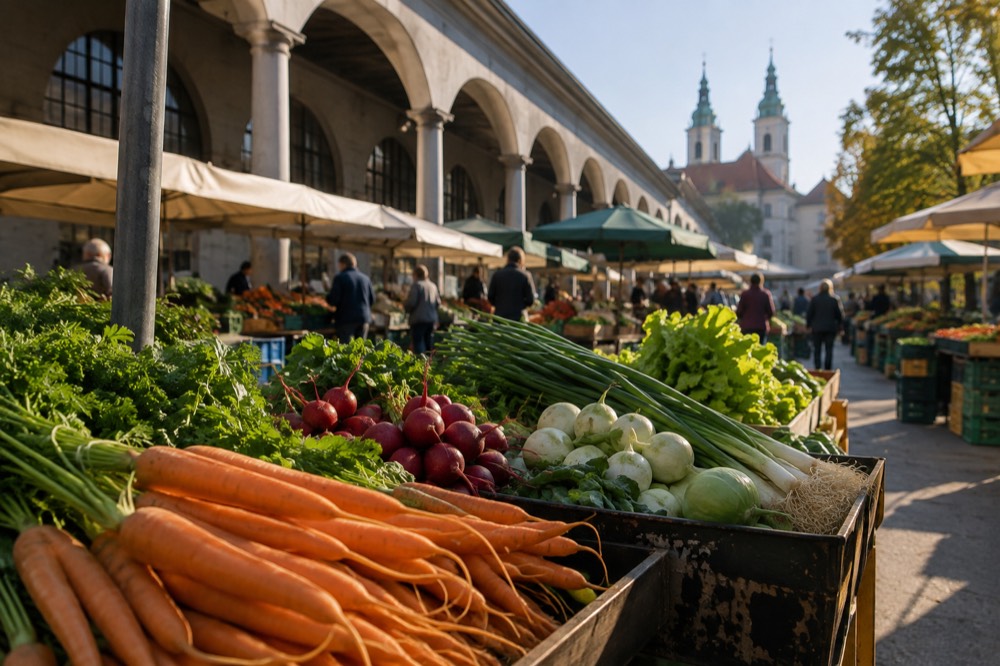
Food is where the bases diverge most in character. Ljubljana's Central Market runs on Vodnikov and Pogačarjev trg roughly Monday to Saturday, 06:00 to 18:00 in summer, with covered halls on weekdays until 16:00, and the Friday-only Odprta Kuhna street-food market runs roughly March to November, cancelled in bad weather. Bled has a resort's spread of hotel restaurants and pizzerias plus the famous cream cake, covered in our Bled cream cake guide. The capital simply has more layers, from the market to the craft beer scene.
How Do You Actually Travel Between Ljubljana and Bled?
The road distance is short, roughly an hour each way by coach or car, and the rail route lands you at Lesce-Bled, 4 km from the lake, unless you use Bled Jezero station at 1.5 km on the branch line. Coaches run frequently through the day from Ljubljana's main station. Neither the coach nor the rail operators publish a verifiable static fare, so treat any quoted price with suspicion and check the live booking systems.
Driving is straightforward and the same road continues past Bled into Triglav National Park, which is one argument for a [hire car](https://discovercars.tpk.ro/laYIo9hK) at a Bled base. The practical catch at the Ljubljana end is that the historic centre is pedestrianised, roughly 20 hectares closed to general motor traffic, so a car is a liability inside the capital and an asset at the lake. If you are basing in Ljubljana and driving out daily, choose accommodation with parking at the edge of the centre rather than inside it.
| Transport option | Time each way | Verifiable fare? | Notes |
|---|---|---|---|
| Coach from Ljubljana station | about 1 hour | no static fare published | frequent daily departures |
| Train to Lesce-Bled | short journey | no static fare published | station is 4 km from the lake |
| Train to Bled Jezero | short journey | no static fare published | station is 1.5 km from the lake |
| Guided day tour | 6 hours total | tour price from $57 | no transport decisions at all |
| Private taxi | about 1 hour | from $354.67 round trip | fixed schedule, door to door |
The train detail is the one worth repeating because so much advice gets it wrong. Bled's own visitor information states the distances plainly: Lesce-Bled to the centre is 4 km, Bled Jezero to the centre is 1.5 km. The branch line is slower and less frequent, but if you are travelling light the shorter walk wins. Our train from Ljubljana to Lake Bled post covers the practicalities, and the bus ticket Ljubljana to Lake Bled post does the same for the coach.
Does the Weather Differ Between Ljubljana and Bled?
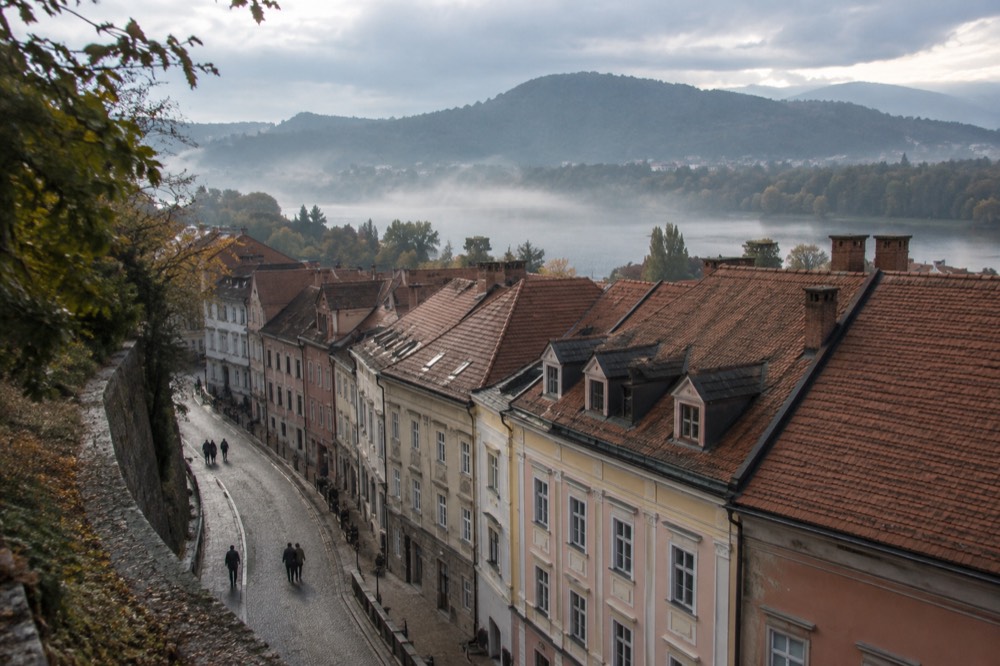
Yes, and more than the short distance suggests. Ljubljana sits on the floor of a basin at 299 m, and in the colder half of the year a temperature inversion caps it with fog and low cloud while the hills a few hundred metres up sit in sunshine. ARSO's 1981-2010 normals give the city just 56 hours of sunshine in the whole of December against 120 hours at Kredarica, 2,514 m up on Triglav. A Bled base puts you nearer the sunnier high ground in winter.
The inversion is the single most useful weather fact for choosing a base between October and March. The city wins April to September and loses October to March: the sunshine lines cross. In January the mountain station records 139 hours of sunshine against the city's 71, and Ljubljana averages only 37 clear days a year against 130 overcast, with October and November each averaging a single clear day. The climatology claim is about sunshine, cloud and fog, not temperature: Kredarica's January mean is -7.1 C against Ljubljana's +0.3 C, so the mountains are sunnier in winter, not warmer on average.
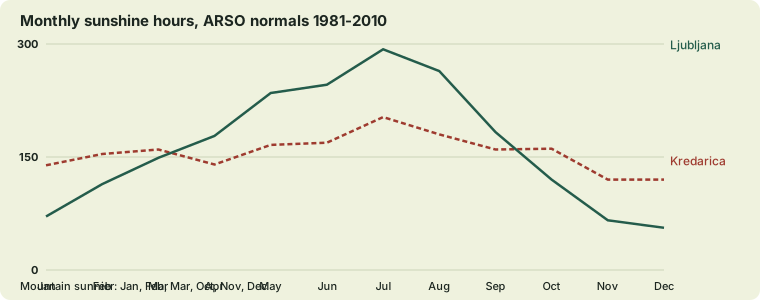
The other seasonal surprise is that Ljubljana's foggiest months are not midwinter but September and October, tied at 12.4 fog days each in the ARSO 1971-2000 series, the only period for which fog is published. Those same two months are the joint wettest of the year in the 1981-2010 series at 147 mm each, above July's 115 mm. An autumn visitor choosing between the bases should weight the inversion heavily: a grey capital with a sunny lake above it is a common October pattern, and ARSO's published normals for both stations back it up.
| Month | Ljubljana sunshine (h) | Kredarica sunshine (h) | Ljubljana rain (mm) |
|---|---|---|---|
| January | 71 | 139 | 69 |
| April | 178 | 140 | 99 |
| July | 293 | 203 | 115 |
| September | 183 | 160 | 147 |
| October | 120 | 161 | 147 |
| December | 56 | 120 | 107 |
Ljubljana or Bled: Which Base for Which Traveller?
Families, city breakers, food-led travellers and anyone on two or three nights should base in Ljubljana. Walkers, cyclists, photographers chasing dawn light and anyone with five or more nights should split the stay or base at Bled. Winter visitors chasing sunshine should weight toward Bled and the high ground; summer visitors get a sunny capital with a river bank built for the evening. The two bases are an hour apart, so the wrong choice costs less than you fear.
The city case deserves its own paragraph. Ljubljana's centre is pedestrianised, the castle grounds sit above it, the museums cluster within a short walk, and the national institutions are free on the first Sunday of every month, a rule each of them publishes on its own site. The castle entry ticket with optional funicular, from $17 and rated 4.3 from 993 reviews, is the cheapest structured sight in the city, and the free GuruWalk tips-based walks, such as the Old Town walk rated 4.91 from 1,496 reviews, cost nothing but the tip. None of that exists at Bled.
The Bled case is narrower but genuine. If your Slovenia trip is really a mountains trip with a city attached, sleeping at the lake puts the sunrise over the island, the empty gorge path at opening time and the park trailheads all inside your morning. The trade is evenings: Bled after dark is quiet, and the restaurant count is a fraction of the capital's. Our where to stay near Lake Bled and where to stay in Ljubljana guides cover the neighbourhood choices at both ends.
One practical note either way: Slovenia is in the European Union, the eurozone and the Schengen area, having adopted the euro on 1 January 2007 and lifted land and sea border checks on 21 December 2007, with air checks following on 30 March 2008. There is no currency to change and no border to clear arriving from Italy, Austria, Hungary or Croatia, so crossing between the two bases, or adding a Zagreb or Trieste leg, is administratively nothing.
If you do want the best of both without moving beds, the combined ten-hour Bled and Postojna tour from Ljubljana, rated 4.9 from 286 reviews and from $133, squeezes the lake, the cave and Predjama into a single long day. It is a big day, but it is the format that makes a Ljubljana base feel almost costless. This Ljubljana Travel Guide desk's verdict, for what it is worth: sleep in the capital, day trip to the lake, and save the Bled bed for a longer, outdoors-led return trip.
Common Questions About Ljubljana or Bled
Is it better to stay in Ljubljana or Bled?
For most trips of two to four nights, Ljubljana is the better base: it has the restaurants, museums, pedestrianised centre and the widest day-trip network in the country, including Bled itself. Bled wins as a base for outdoors-led trips of five or more nights, or for anyone who wants dawn on the lake and short drives into Triglav National Park.
Can you visit Lake Bled from Ljubljana in a day?
Yes. The road journey is about an hour each way, and six-hour tours leave three or more hours at the lake, enough for the castle, a shore walk and a boat to the island. You will miss Bled at dawn and after dinner, which is the real argument for sleeping there instead.
How many days do you need in Ljubljana and Bled together?
Two to three nights in Ljubljana plus one Bled day trip covers the essentials of both. With five or more nights, split the stay: two or three nights in the capital, then two at the lake for the park, the gorge and the quiet mornings.
Is Bled more expensive than Ljubljana?
Lodging at Bled generally runs higher than equivalent rooms in the capital, and lakeside dining carries a view premium. Attraction costs are similar: Bled Castle is 19.00 EUR and the pletna boat is 20 EUR per person, while Ljubljana Castle with the funicular is 19.00 EUR and the river cruise about 15 EUR.
Which is better in winter, Ljubljana or Bled?
Bled and the high ground around it. Ljubljana sits in a basin that fogs in from October to March, averaging just 56 hours of December sunshine, while the mountains above record 120 hours over the same month. The city is warmer on average, but the lake area is sunnier in winter.
Do you need a car to stay at either base?
No. Ljubljana's centre is pedestrianised and served by buses and tours, and Bled is reachable from the capital [by coach](https://busbud.tpk.ro/4kLAIElq) or train, with Bled Jezero station only 1.5 km from the lake. A car helps most at a Bled base if you plan to explore Triglav National Park independently.