Šmarna Gora: The Hill Ljubljana Climbs
Šmarna Gora is the hill that sits on Ljubljana's northern edge, the one you see from the centre and the one locals climb before breakfast, after work and on every free Sunday. Here is how to do it well: when to go, how to get there, and what the weather is really doing up there.
Short answer
Šmarna Gora is a short, steep hill walk on Ljubljana's northern edge, reachable by city bus in well under an hour from the centre. Ljubljana averages just 56 hours of December sunshine against 120 hours on the high peaks, so on grey winter days the summit is often the sunniest spot within reach of the city.
Šmarna Gora is the hill that Ljubljana looks at. Stand anywhere in the pedestrianised centre, glance north past the rooftops, and there it is: a steep, wooded pyramid with a church on top, close enough that people climb it before work. It is not an Alpine expedition. It is the city's own hill, and it behaves like one, which means the practical questions are all about timing, footwear and weather rather than technical skill.
This page answers those questions in order. Where the hill sits and what the climb involves, how long it takes, which months treat you best, how to reach the trailhead without a car, what to wear, and what else is worth doing once you are already out of the basin. One warning before you start reading: Ljubljana's weather and the hill's weather are not always the same thing, and that difference is the single most useful thing to understand about this walk.
Where Is Šmarna Gora and What Kind of Hill Is It?
Šmarna Gora is a steep, forested hill on Ljubljana's northern edge, standing above the Sava river just beyond the city's residential neighbourhoods, with a church at the summit and a village at its foot. It is a hill walk rather than a mountain route, doable in ordinary shoes in dry weather, and it is close enough to the centre that you can be at the trailhead by city bus without planning a day around it.
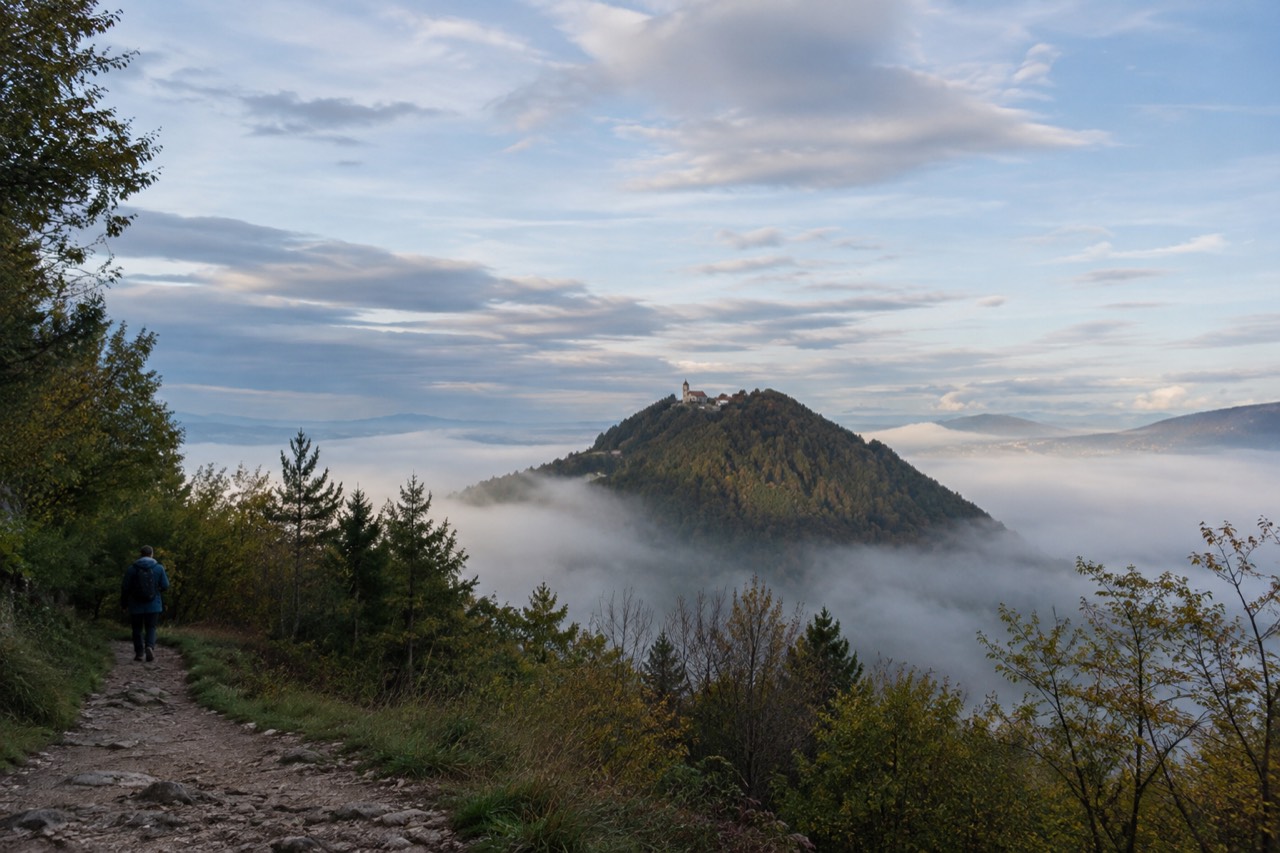
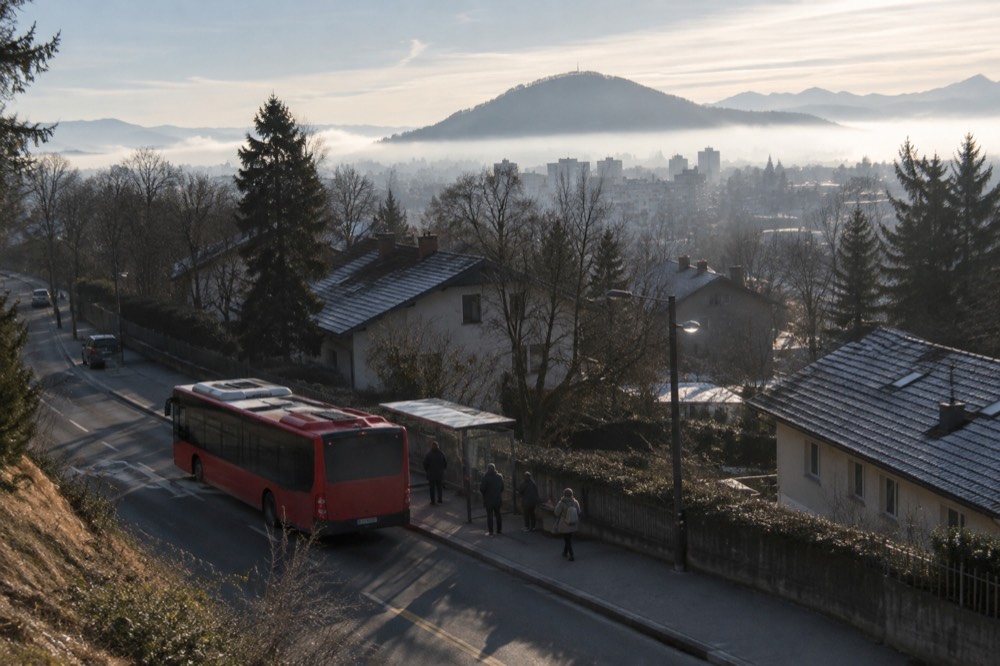
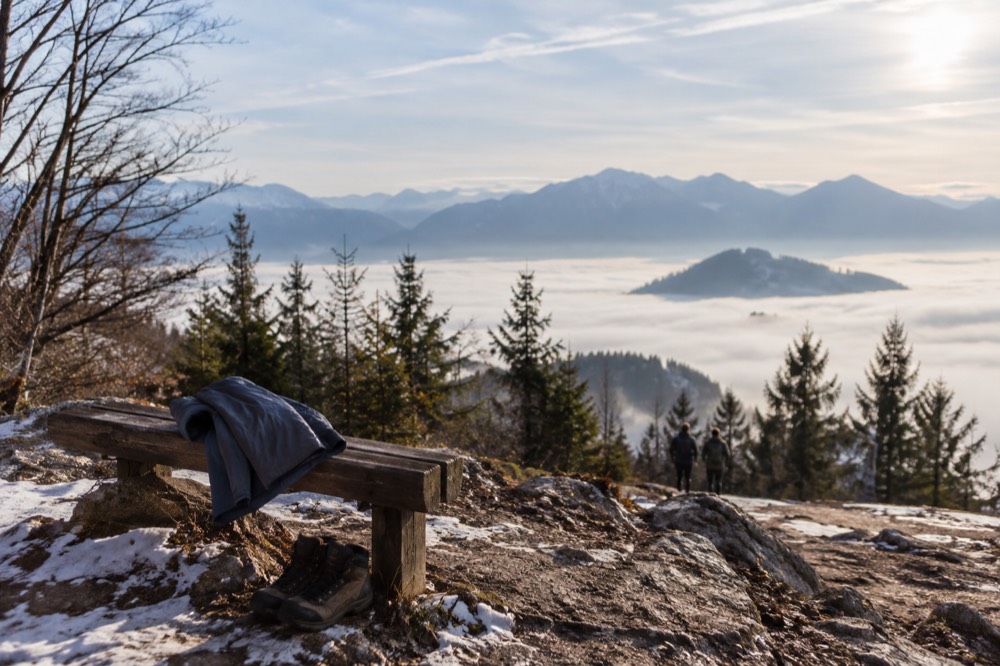
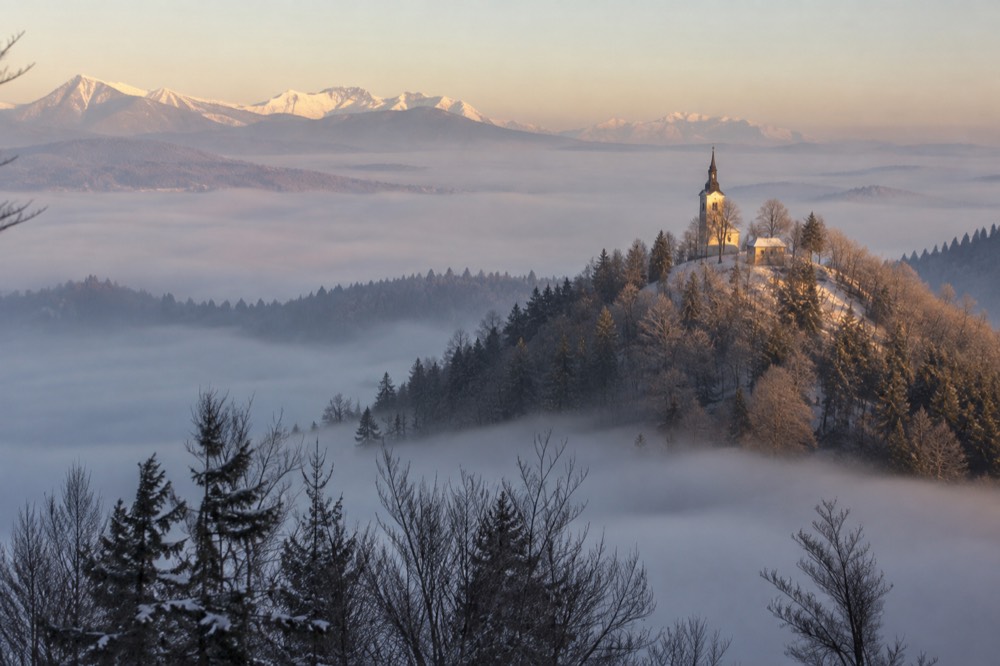
The hill sits north of the city where the Ljubljana basin begins to close into the Sava gorge country. That position matters more than it sounds. Ljubljana itself occupies a basin floor at 299 metres, and in the colder half of the year cold air gets trapped under warmer air above it, which is why the city can sit under fog while the hills a few hundred metres up are in full sun. Šmarna Gora is one of the first pieces of high ground within reach when that happens. A climb that starts in grey murk can finish above it, and that is not luck, it is geography.
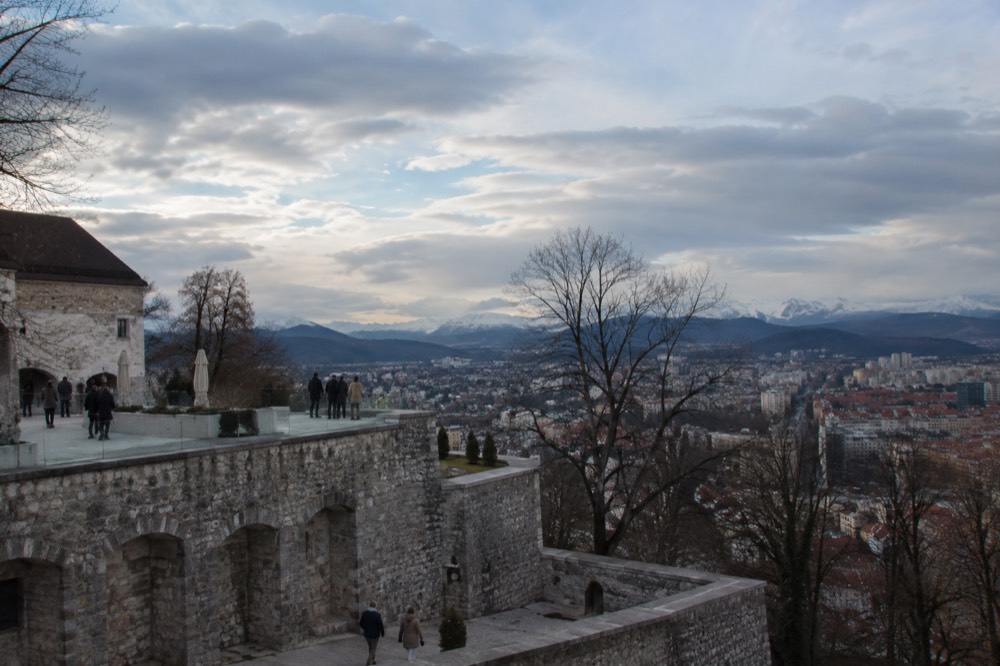
The shape of the hill is the other thing people notice. It rises steeply on nearly every side, which is why it reads as a pyramid from the centre. There is no long gentle approach: you walk up or you do not go. The summit area holds a church, and the slopes are wooded almost throughout, so the walk is shaded in summer and sheltered in winter rather than exposed. On the summit terrace you get the view that the whole climb is for: the city laid out in the basin, the Ljubljanica's line through it, and the Julian Alps on the horizon on a clear day.
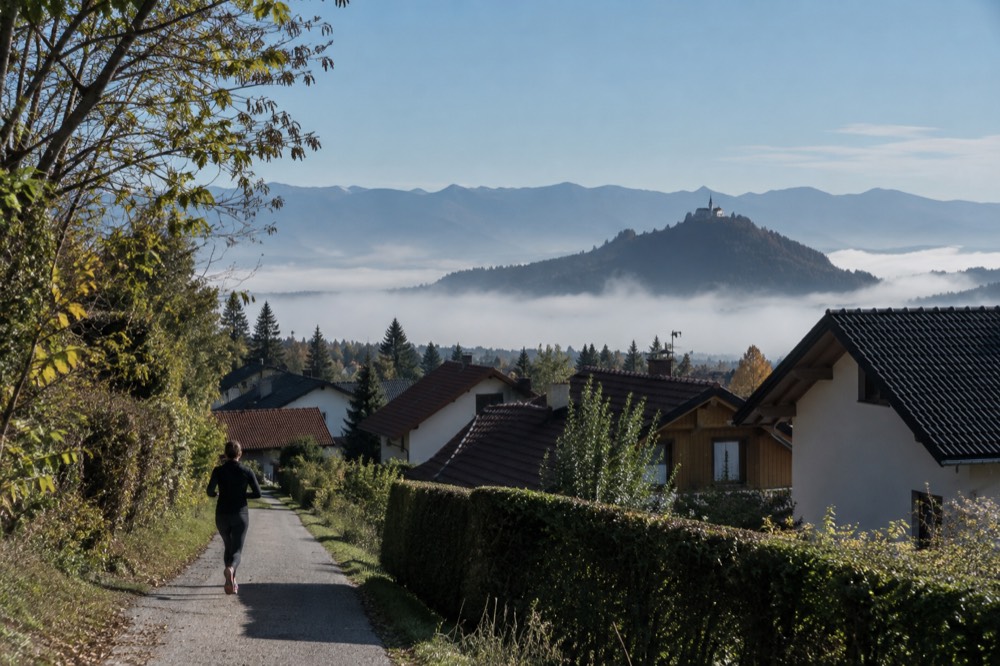
Locals treat the hill as an everyday facility rather than an attraction, and that attitude shapes everything about a visit. People come up in trainers, in work clothes on a weekday evening, with dogs, with prams on the gentler line. You will not need Alpine gear, but you will notice that almost everyone has proper shoes, because the paths are worn smooth by traffic and get slick when wet. If you want a fuller picture of how the city's green escapes fit together, our Tivoli Park guide for Ljubljana covers the flat inner-city option on the other side of the centre.
How Long Does the Climb Take and How Hard Is It?
The climb is short but steep, and no official figure for the walking time is published, so plan by daylight and fitness rather than by a timetable. Most visitors treat it as a morning or evening outing of a couple of hours door to door, and the effort is comparable to a long stair climb rather than a hike. The paths are well trodden and waymarked, but they are steep enough that pace varies enormously between people.
Honesty first: there is no verified, published duration for the ascent, and this site does not invent numbers. What can be said plainly is the character of the walk. The hill is steep on all sides, the vertical gain is compressed into a short horizontal distance, and the going is on forest paths and, on the upper stretches, on worn stone and packed earth. Fit regulars go up quickly. Families with small children take their time and stop. Both are normal, and the summit cafe culture at the top exists precisely because people linger.
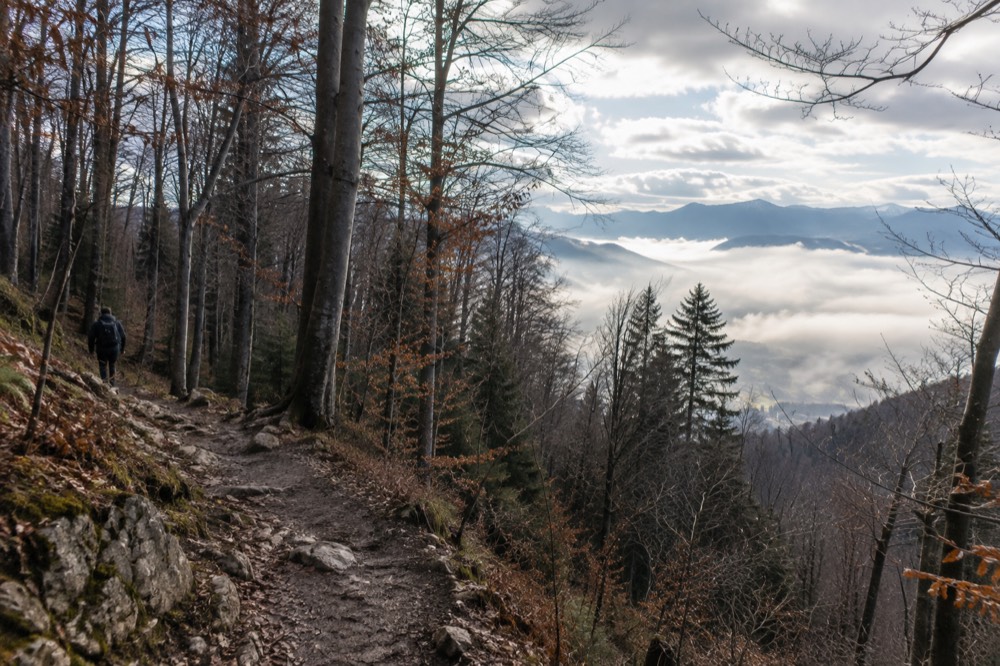
Three practical points decide how hard your climb feels. The first is footwear: the paths are polished by decades of feet and become slippery when wet, so grip matters more than ankle support. The second is timing: an early morning or late afternoon start avoids both the midday heat of July and August, when mean daily maxima sit at 27.3 and 26.7 degrees Celsius, and the 10:00 to 13:00 crowding that afflicts every popular walk within reach of a capital. The third is the descent, which is where most slips happen, because tired legs on smooth steep stone ask for care.
If you are building the climb into a bigger day, treat it as the morning block. Up, a look round, down, and you are back in the centre with the whole afternoon left. That is exactly how the one day in Ljubljana itinerary sequences the city, with the hill as an early start before the Old Town fills up. For a gentler, flatter introduction to walking the city instead, the Ljubljana walking tour guide keeps you at basin level.
When Is the Best Time of Year to Climb Šmarna Gora?
The best months are April through June and September, when Ljubljana averages 178, 235 and 183 sunshine hours respectively and the basin's fog and inversion season has either not started or is ending. Winter climbs are colder but often sunnier than the city below, because the summit can sit above the fog layer. July and August are the sunniest months of all, with 293 and 264 hours, but also the hottest, with mean daily maxima of 27.3 and 26.7 degrees Celsius.
The seasonal logic of this hill is the seasonal logic of the whole basin, and it is worth understanding once because it changes how you plan. Ljubljana's climate record, ARSO's 1981-2010 normals for the Bežigrad station at 299 metres, shows a city that is genuinely cloudy in the cold half of the year: 56 hours of sunshine in the whole of December, 71 in January, and only one or two clear days in each of October, November and December. The mountains above do the opposite. Kredarica, the station on Triglav at 2514 metres, records 120 December hours and 139 January hours. The lines cross: the city wins April to September, the high ground wins October to March.
| Month | Ljubljana sun (h) | Kredarica sun (h) | Mean max in Ljubljana (C) |
|---|---|---|---|
| January | 71 | 139 | 3.4 |
| February | 114 | 154 | 6.4 |
| March | 149 | 160 | 11.4 |
| April | 178 | 140 | 16.1 |
| May | 235 | 166 | 21.4 |
| June | 246 | 169 | 24.6 |
| July | 293 | 203 | 27.3 |
| August | 264 | 180 | 26.7 |
| September | 183 | 160 | 21.6 |
| October | 120 | 161 | 15.9 |
| November | 66 | 120 | 8.8 |
| December | 56 | 120 | 3.8 |
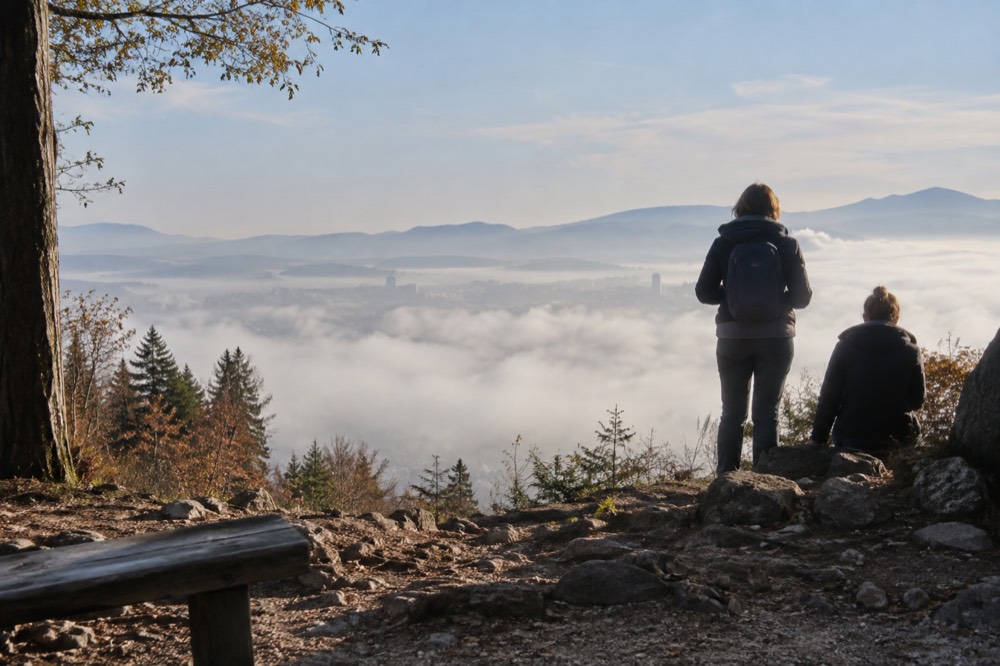
What does that mean for a hill that is neither the basin floor nor the high Alps? It means Šmarna Gora is the affordable version of the winter escape. On an inversion day, the city sits under grey while the hill's upper slopes stand in sunshine, and the temperature a few hundred metres up can exceed the temperature in the centre. The summit will not give you Kredarica's December, but it will often give you the only blue sky you can reach without a car. The full picture of how the city's seasons run, month by month, is in our best time to visit Ljubljana guide.
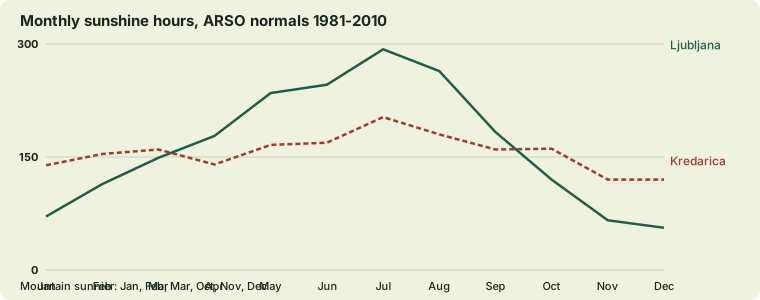
Two cautions belong here. First, the foggiest months in Ljubljana are not midwinter but September and October, which average 12.4 fog days each in ARSO's 1971-2000 series, level with December's 12.6 and above January's 11.3, and those two months are also the joint wettest of the year at 147 mm each. An autumn climb can be glorious, but check the morning before you commit. Second, snow sits on the city for a meaningful part of winter, 15 days with snow cover at 07:00 in January on average, and the hill's smooth paths hold ice longer than the pavements below. If you want a deeper look at the cold season, the Ljubljana in winter guide covers it properly.
If a hill climb sounds like more organisation than your trip needs, the flat-city alternative is a guided ride, and the options below cover the centre's sights, street art and river banks on two wheels.
How Do You Get to Šmarna Gora Without a Car?
City buses reach the hill's surrounding neighbourhoods from the centre, with a single zone 1 fare of 1.50 EUR covering 90 minutes including transfers, and the Urbana card costs 2.00 EUR to buy. Cash is not accepted on board, but contactless bank cards and phone wallets are, which removes the old trap of needing a card before you can board at all.
The bus facts are worth having exactly right, because they are the difference between a relaxed morning and a frustrated one. Ljubljana's LPP city network runs on the Urbana system: a single zone 1 ride is 1.50 EUR and covers 90 minutes including transfers, the card itself costs 2.00 EUR, and you can buy and top up at the LPP Passenger Centre on Slovenska 56, at Urbanomat machines, kiosks, tourist information centres and post offices. The detail that catches visitors out is payment: no cash is accepted on board, but Visa, Mastercard and mobile wallets are, per the operator's own payment page. Board with a tap and the problem is solved. The rest of the planning pages sit on Ljubljana Travel Guide.
| Item | Figure |
|---|---|
| Single ride, zone 1, 90 minutes incl. transfers | 1.50 EUR |
| Urbana card purchase | 2.00 EUR |
| Cash accepted on board | No |
| Contactless bank card or phone on board | Yes, Visa and Mastercard |
| Where to buy or top up | LPP Passenger Centre (Slovenska 56), Urbanomat machines, kiosks, TICs, post offices |
Cycling is the other car-free answer, and it is a genuinely good one. The centre is pedestrianised, a car-free zone of roughly 20 hectares that has been progressively expanded since 2007, and the city's cycling culture means the flat run north from the centre is a normal, everyday ride. Ride out along the river, cross into the northern neighbourhoods, lock the bike at the foot of the hill and walk up. That combination, wheels for the flat and legs for the steep, is exactly what a guided bike tour sets up for you.
The Street Art and Culture Bike Tour is the natural pairing here: it covers Ljubljana's street art and cultural layer across three hours, which leaves the rest of the day free for the climb. Check availability on the live listing if that split-day plan appeals.
The pairing works both ways round, too. Some people ride first and climb later, banking the guided sightseeing in the morning while the city is cool, then walking up in the late afternoon when the paths have emptied and the light is at its best over the basin. Either order gives you a full day that never needs a car, a taxi or a timetable you did not choose yourself.
A taxi or ride-hail is the fallback, and the run north is short. But given that the bus fare is 1.50 EUR and the contactless tap works, most people will never need one. For the wider picture of moving around the city, buses, bikes, river boats and all, the getting around Ljubljana guide is the full version.
What Should You Wear and Pack for the Climb?
Wear shoes with real grip and dress for the summit's weather, not the centre's, because the basin inversion means the two can differ sharply in the colder half of the year. In summer, go early and carry water, since July and August mean daily maxima of 27.3 and 26.7 degrees Celsius. In winter, expect ice on the polished upper paths and take the descent slowly.
The packing logic follows directly from the climate record. Ljubljana's mean daily minima drop to minus 2.5 degrees Celsius in January and minus 1.1 in December, while the maxima sit at just 3.4 and 3.8, so a winter day is a narrow band around freezing, and the hill adds wind to it. Rain falls on 11 to 15 days in every winter month, and snow cover is present at 07:00 on 15 January days and 14 February days on average. Everything slippery about the hill comes from those numbers.
| Season | Typical conditions in the basin | What it means on the hill |
|---|---|---|
| December to February | Maxima around 3 to 4 C, frequent fog and snow cover | Often sunnier above the fog; icy, polished paths underfoot |
| March to April | Warming fast, 11 to 16 C maxima, rain on about 11 to 14 days | Muddy lines after rain; the first reliably pleasant weekends |
| May to June | 21 to 25 C maxima, the sunniest stretch to date | Best all-round months; carry water on warm afternoons |
| July to August | 27.3 and 26.7 C maxima, 293 and 264 sunshine hours | Hot climbs; start early or go late afternoon |
| September to October | 147 mm of rain each, 12.4 fog days each | Glorious on a good day, grey on a bad one; check the morning |
| November | Maxima near 9 C, one clear day on average | Quiet, atmospheric, damp; the fog season peaks |
Beyond shoes and layers, the list is short. Water in the warm months. A light rain layer from September onwards, when the two wettest months of the year arrive back to back. Sunscreen from April, because the summit terrace is open and the sun is stronger than the basin's reputation suggests. And a small amount of cash or a contactless card for the summit, where refreshments are part of the culture. Nothing about this list is exotic, which is the point: the hill rewards ordinary preparation, not specialist kit.
What Else Can You Combine with a Šmarna Gora Hike?
The strongest pairings are a morning on the hill followed by an afternoon in the centre, or the reverse, and the city's tour roster covers the afternoon half well: food walks, river cruises and bike tours all start within a short walk of the Old Town. Beyond the city, the hill makes a good warm-up for bigger day trips into the Julian Alps, the Soča Valley or the karst caves, which are the reliable answer when the basin weather turns.
Start with the same-day combinations, because they are the ones most visitors actually use. Climb early, be down by mid-morning, and spend the afternoon at basin level: the Central Market, the Old Town, a river cruise on the Ljubljanica. The Ljubljana food tour guide covers the eating half of that afternoon in detail, and the Ljubljanica river cruise guide covers the flat, restful half. If your legs want more rather than less, the Ljubljana bike tour guide lays out the two-wheeled options, including the guided rides where someone else handles the route-finding for you.
The Experience Ljubljana Bike Tour is the flexible version of that idea, a guided ride of three to four hours that fits either side of a hill climb in a way a full-day trip cannot. It suits the same split-day logic as the street-art ride: wheels for the flat, legs for the steep, and a guide who knows which corners are worth stopping at.
For the bigger combinations, think in terms of the hill as a taste of Slovenian terrain. If the climb leaves you wanting more vertical, the guided options scale up cleanly. And if the weather closes in, remember the single most reliable fact in Slovenian tourism: the caves hold roughly the same temperature year round, about 10 degrees Celsius at Postojna, which makes them the dependable answer to a grey or sweltering day alike. The Cave and Castle Tickets and Tour runs six hours from Ljubljana and pairs Postojna Cave with Predjama Castle, a clean swap for a rained-off hill morning.
The karst and the coast also combine into longer days if you have the time, and our Škocjan Caves guide and Piran guide cover both ends of that spectrum. Closer to home, the hill itself costs nothing to climb, which makes it a fixture of the free things to do in Ljubljana along with the castle grounds, the car-free centre and the river banks.
Can You Climb Šmarna Gora at Sunrise, in Winter, or with a Bigger Objective in Mind?
Yes to all three, with adjustments. Winter and sunrise climbs are the classic inversion play: the summit is the most reachable place to stand above the basin's fog, and the city's December record of 56 sunshine hours makes any clear morning precious. For a bigger objective, the guided step up from Šmarna Gora is Velika Planina, an alpine herdsmen's village reached on a six-hour guided hike from Ljubljana, which turns the same leg muscles towards real mountain country.
The sunrise climb deserves its reputation. In a city that averages 37 clear days a year, and just two clear December days, a morning when the basin fog burns off into a bright day is not a small thing. Going up in the dark and watching the sun reach the city through the fog layer is the local's version of a viewpoint, and it needs nothing but a head torch in the darker months, warm layers, and an early alarm. Check the forecast the evening before, because ARSO's fog numbers tell you the odds honestly: in September and October you are looking at roughly 12 foggy mornings a month, in December slightly more.
The step up in ambition is where the guided roster earns its place. Šmarna Gora is a hill; the Alps begin an hour's drive further on, and the transition between the two is exactly the kind of thing a guide smooths over. The Velika Planina Guided Hike is the natural progression, six hours door to door into an alpine herdsmen's village that looks nothing like the basin you just climbed out of. It is the same muscles and the same boots, pointed at country that feels entirely different.
For the full range of what lies beyond the basin, from the Julian Alps to the coast, the day trips from Ljubljana guide is the master list, and the Velika Planina guide covers the herdsmen's village in depth. Whichever direction you take, the pattern this site keeps returning to holds: when Ljubljana is grey, go up, and when the city is bright, enjoy the flat.
Common Questions About Šmarna Gora
Where is Šmarna Gora and what kind of hill is it?
It is a steep, forested hill on Ljubljana's northern edge, above the Sava river, with a church at the summit and a village at its foot. It is a hill walk rather than a mountain route, and it sits close enough to the centre to be a before-breakfast outing.
How long does the climb take?
No official walking time is published, so plan by daylight and fitness rather than a timetable. Most people treat it as a couple of hours door to door, with the effort comparable to a long stair climb. Fit regulars go faster; families with children take their time and stop.
When is the best time of year to climb Šmarna Gora?
April to June and September, when Ljubljana averages 178, 235 and 183 sunshine hours respectively. Winter climbs are colder but often sunnier than the city below, because the summit can stand above the fog. July and August are hottest, with mean daily maxima of 27.3 and 26.7 degrees Celsius.
How do you get to Šmarna Gora by public transport?
City buses reach the hill's surrounding neighbourhoods. A single zone 1 fare is 1.50 EUR and covers 90 minutes including transfers, the Urbana card costs 2.00 EUR, and cash is not accepted on board, though contactless bank cards and phone wallets are.
Is Šmarna Gora worth climbing in winter?
Often, yes, and for a specific reason: the basin inversion means the summit can sit in sunshine above a foggy city, and with only 56 hours of December sunshine at the basin station, any clear morning is precious. Take care on icy upper paths and check the forecast first.
What should I wear for the climb?
Shoes with real grip above all, because the paths are polished smooth and get slick when wet. Add warm layers in winter, water in July and August, a rain layer from September, and sunscreen from April. No specialist kit is needed.