What Is the Most Beautiful Town in Slovenia?
Piran leads most shortlists for Slovenia's most beautiful town, but Škofja Loka, Ptuj and Idrija all have a case. Here is the honest comparison, with costs and travel times from Ljubljana.
What Is the Most Beautiful Town in Slovenia?
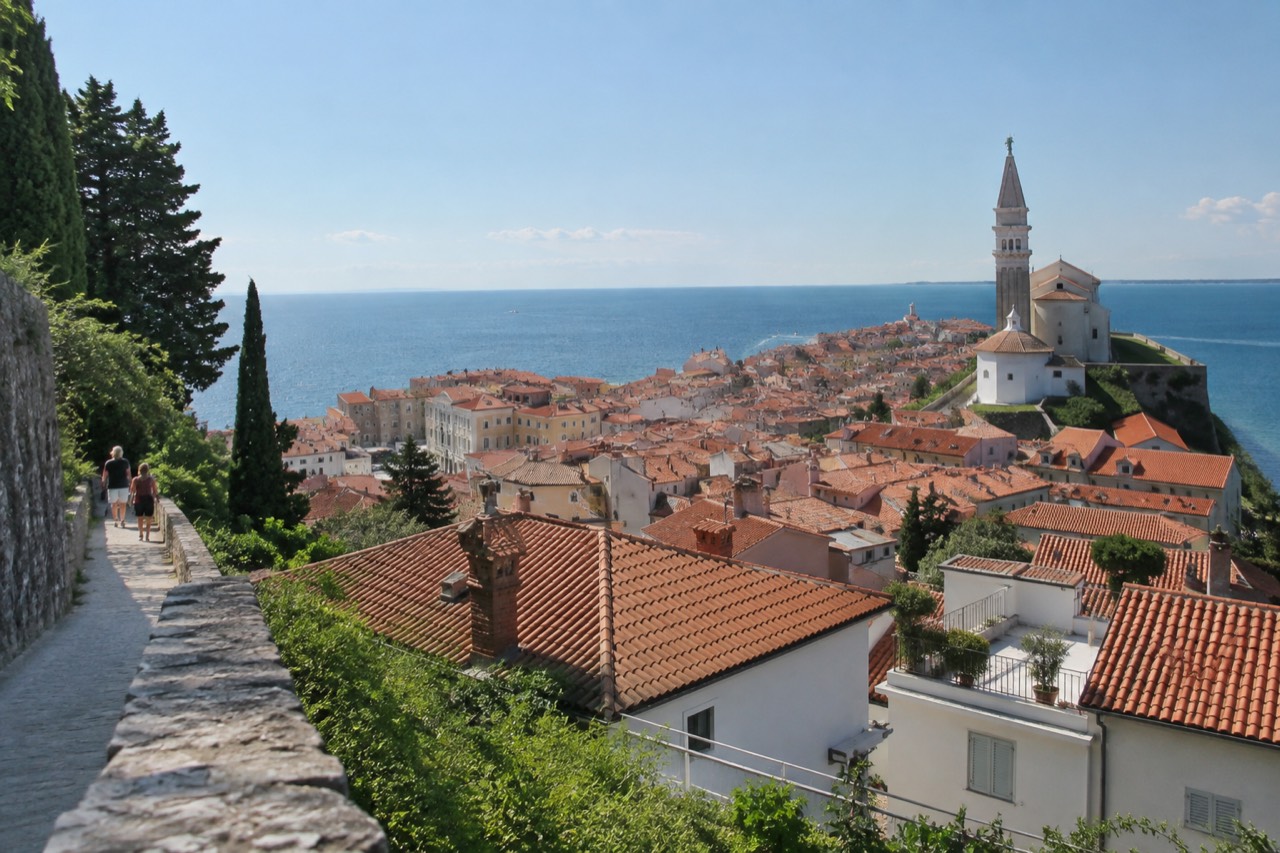
Piran is the most beautiful town in Slovenia for most visitors: a walled Venetian-era peninsula of terracotta roofs, salt-pan heritage and a sea on three sides, about 90 minutes from Ljubljana. Škofja Loka is the strongest inland rival, a medieval old town beneath a castle, and Ptuj, Kamnik and Idrija each have a genuine claim on a narrower brief. No single town wins every category, which is exactly why Slovenia rewards a second and third stop.
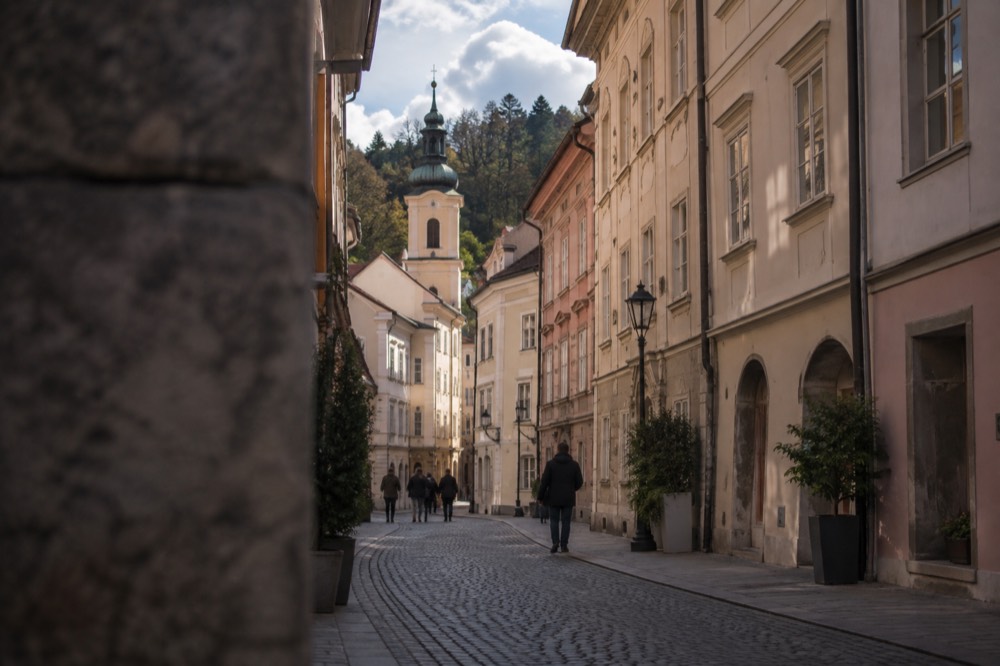
Slovenia has under two million people nationwide, so its towns are small by most European standards. That smallness is the point. Piran's old centre is walkable end to end in twenty minutes, Škofja Loka's main square holds a weekly market that has barely changed shape in living memory, and the country's entire coastline is only around 46 km long. The beauty here is concentrated rather than sprawling.
The question also depends on what you mean by beautiful. If it is architecture and light on water, Piran is nearly unbeatable. If it is a medieval core with a castle and a river gorge attached, Škofja Loka takes it. If it is a working town with Roman remains and a spa tradition rather than a film set, Ptuj argues back. This site covers all of them in depth, and the honest recommendation is rarely one town alone.
For most travellers basing themselves in Ljubljana, the practical plan is Piran for the coast, Škofja Loka for a half-day inland, and a karst stop such as Postojna or Predjama on the road between them. The Piran guide covers the coastal option in detail, and the Škofja Loka guide does the same for the inland one.
Why Piran Is the Strongest Single Answer
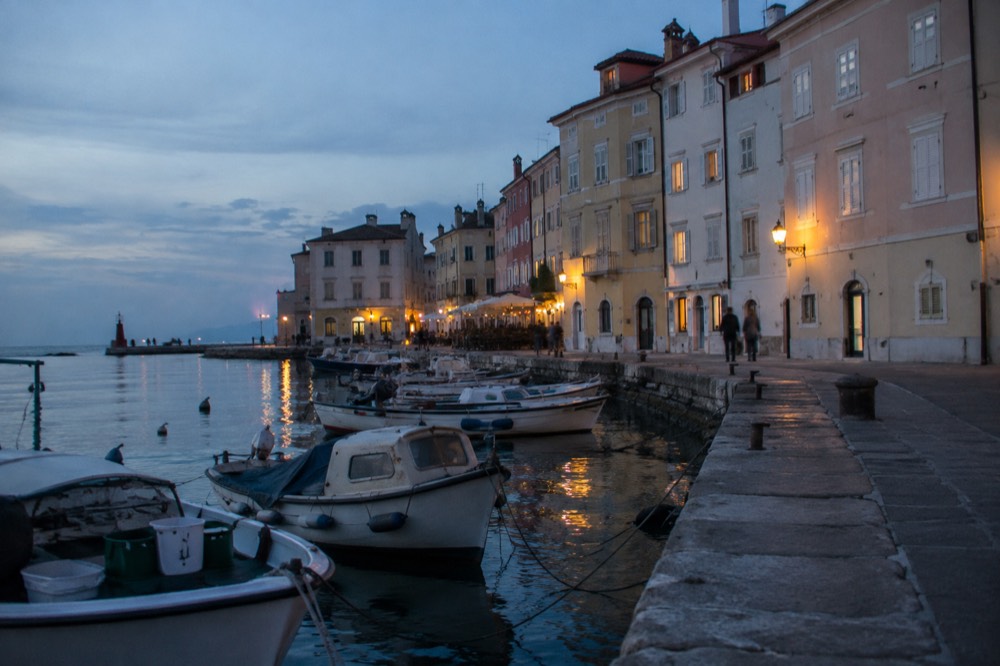
Piran wins because it compresses the most beauty into the smallest space. The old town sits on a pointed peninsula jutting into the Adriatic, with Tartini Square at its centre, the Church of St George above, and Venetian-era facades in ochre and rose stacked along streets too narrow for cars. Sea on three sides means the light changes constantly, and the sunset from the town walls is the single most photographed view of any Slovenian town.
The town grew rich on salt from the nearby Sečovlje salt pans, and that heritage still shapes it: salt is sold in the shops, the salt pans are a protected landscape you can visit, and the pace is slow in a way that feels earned rather than staged. Cars are largely kept out of the centre, so the dominant sounds are footsteps, gulls and church bells.
Piran is also the easiest beautiful town to reach without a car. Buses run from Ljubljana to the coast, and a common alternative is to combine it with the Škocjan Caves, which lie on a natural route between the capital and the coast. The caves are a UNESCO World Heritage site, inscribed on 28 November 1986, and their guided tours run year-round with adult tickets between 16.00 EUR in the quiet months and 24.00 EUR in July and August. A combined day that pairs underground karst with a sunset in Piran is arguably the single best one-day itinerary in the country.
If you would rather have the coastal day handled for you, there are guided options from the capital.
The trio above spans three different kinds of day: a karst and castle trip, a Lake Bled excursion, and a free GuruWalk tips-based walk around Ljubljana's Old Town. The Piran-at-sunset historic walking tour from Ljubljana is another strong fit for this particular question, since it times arrival for the evening light.
The Towns That Run Piran Close
Škofja Loka is the best inland candidate, a preserved medieval town at the confluence of two rivers with a castle museum above the main square. Ptuj, on the Drava, is the country's oldest documented town and carries Roman remains beneath its lanes. Idrija, a former mercury mining town with UNESCO-listed heritage and a lace-making tradition, is the most unusual of the three, and Kamnik is the smallest and quietest.
The comparison below is deliberately practical: what each town looks like, what actually fills a day there, and what it costs to get the main sight done.
| Town | Region | The look | The anchor sight | Best for |
|---|---|---|---|---|
| Piran | Coast | Venetian facades, sea on three sides | Town walls and St George's Church | Sunsets, seafood, photography |
| Škofja Loka | Gorenjska | Medieval core, castle hill, two rivers | Loka Castle museum | Half-day trip, atmosphere |
| Ptuj | Štajerska | Roman-era lanes, Drava riverfront | Castle above the town | History, spas nearby |
| Idrija | Western Slovenia | Mining town, wooden miners' houses | UNESCO mercury heritage | Something different |
| Kamnik | Alpine foothills | Small walled core, mountains behind | Kamnik old town and Velika Planina | Quiet escape |
Škofja Loka deserves the runner-up spot on atmosphere alone. The old town survived the twentieth century lightly touched, the castle museum above it is one of the country's better regional museums, and the surrounding hills put walking trails within sight of the main square. It is under an hour from Ljubljana [by bus](https://busbud.tpk.ro/4kLAIElq), which makes it the easiest genuine old town to visit on a spare morning. The wider set of guides lives on Ljubljana Travel Guide.
Ptuj's case rests on depth: the town's documented history runs back to Roman times, and the castle collection above the Drava is strong. Idrija's case is uniqueness. Its mercury mine shaped European industry for centuries and the town's lace school is famous across Slovenia, yet almost no international itinerary includes it, which is either a flaw or the whole appeal. The Idrija guide and the Ptuj guide cover both in detail.
One town often gets wrongly promoted into this conversation: Bled. Bled is stunning, but it is a lake resort with a village attached, not a town in the same sense. If your definition of "beautiful town" includes a lake, an island church and a cliff castle, Bled wins outright, and the Lake Bled guide treats it properly. Bled Castle's adult entry is 19.00 EUR and the pletna boat to the island is 20 EUR per person, so a full Bled sightseeing day costs real money that Piran, where the walls are the main paid sight, does not.
How to See the Beautiful Towns from Ljubljana
Ljubljana sits close enough to every candidate that none of them needs an overnight. Piran is about 90 minutes away by road, Škofja Loka under an hour, Ptuj around 90 minutes east, and Idrija about an hour west. The practical pattern is one town per day with a karst or lake stop added on the road, and the guided day trips from the capital exist precisely because the distances are short but the connections between towns are not.
Public transport reaches all of these towns, but the routes fan out from Ljubljana rather than linking the towns to each other. Piran to Ptuj by public transport means going back through the capital. That geometry is why day trips by coach and guided tours are so widely used here: a guided circuit does in one day what would take three by bus.
The karst belt southwest of Ljubljana is the natural first stop on any coastal day. Postojna Cave holds a steady 10 C year-round and its visitor route runs 3.7 km, partly on the cave train, with the tour lasting about an hour and thirty minutes. Adult entry is 34.90 EUR, students 27.80 EUR, children 20.70 EUR. Predjama Castle, built into a cliff mouth 9 km away, is 24.00 EUR for adults and open year-round. The official ticket page publishes both, and the cave runs every day including holidays.
A guided option covers both in one six-hour day from Ljubljana, with transport, tickets and guidance bundled.
The same operator ecosystem covers the coast: a Piran sunset trip with a historic walking tour runs six hours from Ljubljana, and the Lipica stud farm, home of the Lipizzaner horses, combines with Piran on a nine-and-a-half-hour day. If caves interest you more than horses, the Škocjan Caves half-day trip runs four and a half hours, which is the shortest serious karst option from the capital.
One planning note for any day trip in this region: Slovenia is in the European Union, uses the euro, and is inside the Schengen area, so there are no border formalities or currency changes on the routes towards Italy or Croatia. The Ljubljana-to-Istria and Ljubljana-to-Trieste corridors are internal Schengen crossings, which makes cross-border combinations such as Piran plus Trieste entirely routine.
When to Go: The Weather Angle Nobody Mentions
The best months for the coastal towns are April to June and September, when Piran is warm but not crowded. The counterintuitive fact is that Ljubljana itself is at its greyest from October to March, averaging 56 hours of December sunshine and 37 clear days a year, so the coast and the hills above the basin are often sunnier than the capital in the very months people assume the whole country is gloomy.
ARSO's 1981-2010 climate normals put numbers on this. Ljubljana, at 299 m on the basin floor, records 1974 sunshine hours a year against 1872 at Kredarica at 2514 m on Triglav, but the monthly split is what matters: the city wins April to September and loses every winter month. In December the mountain station gets 120 sunshine hours against the city's 56, and in January 139 against 71. The city sits under a temperature inversion while the high ground above is in sun.
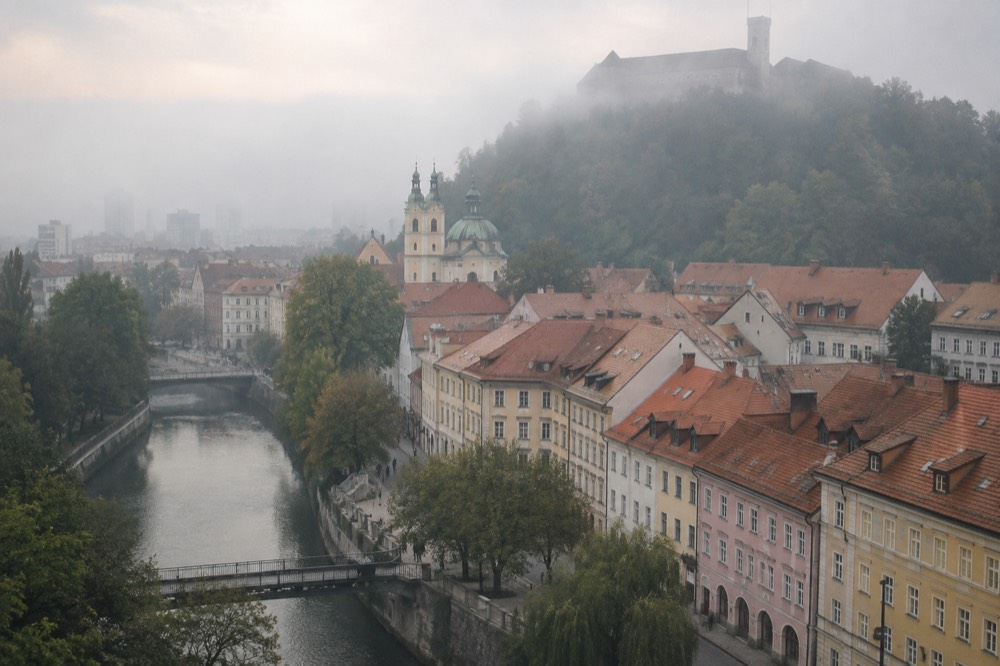
The second surprise is autumn. ARSO's 1971-2000 normals, the only series that publishes fog, give Ljubljana 91.2 fog days a year, and the foggiest months are September and October at 12.4 days each, level with December and above January. September and October are also the joint wettest months at 147 mm each, above July's 115 mm. None of this touches Piran, which sits on the open coast outside the basin, which is one more argument for heading seaward in the shoulder season.
| Month | Ljubljana sunshine (h) | Kredarica sunshine (h) | Notes for town visiting |
|---|---|---|---|
| January | 71 | 139 | Basin fog; coast and hills sunnier |
| April | 178 | 140 | City wins; good everywhere |
| July | 293 | 203 | Peak sun; Piran at its busiest |
| September | 183 | 160 | Wettest city month, 147 mm; coast fine |
| December | 56 | 120 | Go up or go to the coast |
Winter visitors should also remember that the caves are a reliable option in any weather: Postojna holds 10 C and Škocjan 12 C year-round, so a grey or wet day in the basin is a good day to be underground. Vintgar Gorge, by contrast, is open only from April to October and closes for winter, with the exact closing date depending on conditions each year, so it belongs to the warm-half itinerary only. The best time to visit Ljubljana guide works through the full calendar.
There is one free way to see the capital's own beauty while you plan the rest: Ljubljana Unveiled, a tips-based GuruWalk covering the Old Town from Roman remains to the dragon bridge, rated 4.91 from 1496 reviews. It costs nothing up front, you pay what you think it was worth, and it pairs naturally with an afternoon deciding which beautiful town to aim for next.
Common Questions About the Most Beautiful Town in Slovenia
What Is The Most Beautiful Town In Slovenia?
Piran is the most common answer: a small walled coastal town with Venetian-era facades, sea on three sides and the country's best sunset. Škofja Loka is the strongest inland alternative, and Ptuj, Idrija and Kamnik all have a claim depending on what you value.
Is Piran worth the trip from Ljubljana?
Yes. Piran is about 90 minutes from Ljubljana by road and is compact enough to see well in an afternoon, which is why sunset-timed day trips work so well there. The town walls are the main paid sight and the old centre itself costs nothing to wander.
Which beautiful Slovenian town is closest to Ljubljana?
Škofja Loka, under an hour away by bus, with a preserved medieval core and a castle museum above the main square. Kamnik is comparably close to the north and makes a quieter half-day.
Does Lake Bled count as a town?
Not really. Bled is a lake resort with a village attached, and its beauty is the lake, island church and cliff castle rather than streets and squares. If your definition stretches that far, Bled wins outright; otherwise treat it as a separate category.
What is the best time of year to visit Slovenia's beautiful towns?
April to June and September. The coast stays warm into autumn, and the curious detail is that Ljubljana's foggiest and wettest months are September and October while Piran, outside the basin, stays clear more often. Winter suits the caves, which hold about 10 to 12 C year-round.
Can you combine two beautiful towns in one day?
Yes, but only with a car or a guided tour, because public transport routes fan out from Ljubljana rather than linking the towns to each other. The classic pairing is Postojna Cave or Predjama Castle on the way to Piran for sunset.