Are the Julian Alps Worth Visiting?
Are the Julian Alps worth visiting? Yes, for the Soča Valley, Triglav National Park and Lake Bled, all reachable as day trips from Ljubljana. Here is what to expect, when to go and what it costs.
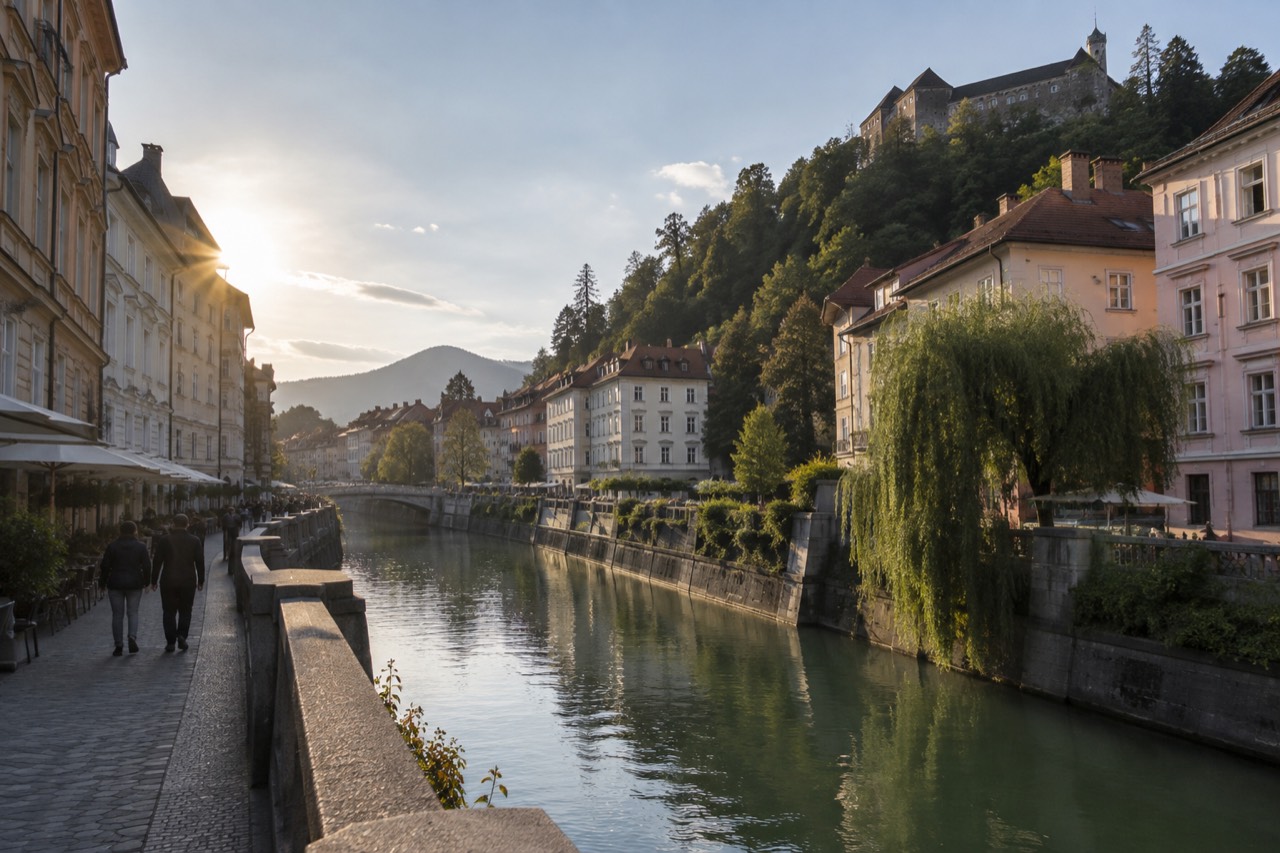
Are the Julian Alps Worth Visiting?
Yes, the Julian Alps are worth visiting, and they are the strongest reason to base yourself in Ljubljana rather than by the coast. The range holds Mount Triglav at 2864 m, Triglav National Park across 840 km², the Soča Valley and the Lake Bled basin, and every one of those is doable as a day trip from the capital. The honest caveat is seasonal: the high country is a June-to-September destination at its best, and a winter visit narrows to the valleys and the ski resorts.
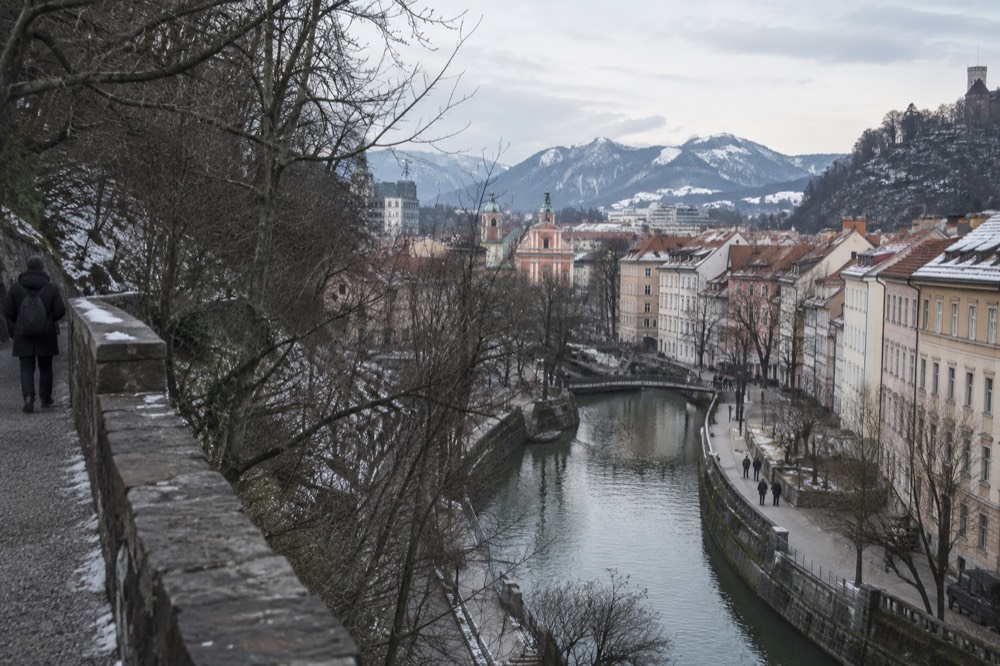
The question usually comes from someone planning a Slovenia itinerary that already includes Ljubljana and Bled, wondering whether to push further into the mountains or save the time. The push is worth it. The Julian Alps are not a second-rate substitute for the Alps of Austria or Switzerland; they are a compact, dramatically vertical range where you can drive from a basin capital at 299 m to a high stone pass before lunch. Entry to Triglav National Park is free, which is not true of most alpine parks in neighbouring countries, and the park has been protected since 1981 with earlier protection from 1924, as the park's own basic information page records.
What follows is the practical version of the answer: what you actually see, how you get there without a car, when the light and the weather are on your side, and what it costs.
What Makes the Julian Alps Worth the Trip?
The range packs a national park, an emerald river, a glacier lake and Slovenia's highest road pass into a two-hour drive from Ljubljana, which is a density of scenery that very few mountain regions in Europe can match. Triglav National Park covers 840 km² and entry is free, so the headline scenery costs nothing beyond getting there. The Soča River runs the signature turquoise-green that photographs do not exaggerate. Vršič, the highest mountain pass in Slovenia, is a series of hairpins built of stone. Lake Bled and Lake Bohinj sit on the eastern edge of the range, one developed and one almost untouched.
The scale is the surprise. Slovenia is a small country, and the Julian Alps behave like a small country's mountains: nothing is far from anything. A single day can include Kranjska Gora, the upper Soča and one of the passes, which in the Swiss Alps would eat two days of transfers. The trade-off is that the region is genuinely alpine, not a theme-park version of it. Weather changes fast, the passes close in winter, and Vintgar Gorge, the most popular single attraction on the Bled side, is open April to October and closes for the winter, with the exact closing date depending on conditions each year.
For a first visit, three areas carry most of the value: the Soča Valley for the river and the First World War landscape around it, Triglav National Park for the high country around Mount Triglav, and the Vršič Pass road that ties the two together. If you have a free day and no car, a guided tour is the realistic route in, and these three are the strongest options from Ljubljana.
How Do You Visit the Julian Alps from Ljubljana?
You drive, you take a guided day tour, or you take the train to a gateway town, and the guided tour is the option most visitors without a car should take. The range begins roughly an hour's drive northwest of the city. Public transport reaches the edges, Bled and Kranjska Gora, but the interior, the Soča Valley and the passes, is poorly served by bus and not served by train at all. A rental car gives full freedom; a tour gives the passes and the commentary without the white-knuckle hairpins.
The flagship guided option is the Soča and Kranjska Gora day tour, which runs 10 hours 30 minutes from Ljubljana, carries a 4.9 rating from 911 reviews, and starts from $132. It covers the Julian Alps' two headline faces in one day: Kranjska Gora on the northern side and the Soča Valley on the other side of the watershed. For a contrast, the full-day Triglav National Park tour runs 12 hours from $141.97 with a 4.9 rating from 205 reviews, and the ten-hour Soča Valley and Kranjska Gora combination from $134.78 rates 4.9 from 183 reviews. Both are long days, and both are worth it: the drive is the attraction.
Not every Julian Alps day needs to be a mountain day. The Postojna Cave and Predjama Castle tour, 6 hours from $132 with a 4.8 rating from 2802 reviews, goes south into the karst instead of north into the mountains, and it is the reliable wet-weather plan: caves hold roughly the same temperature year round, around 10 C at Postojna, so a grey or rainy forecast is a reason to swap the mountains for the underground rather than to cancel the day trip.
When Is the Best Time of Year for the Julian Alps?
June to September is the honest answer for the high country, with July and August the safest bet for open passes and the busiest trails, and September the best trade between crowds and weather. The passes, including Vršič, are seasonal and close under snow. Vintgar Gorge runs April to October. The ski towns invert: Kranjska Gora is at its most alive from December to March, and the same valley that is a hiking base in summer becomes a winter sports base once the snow settles.
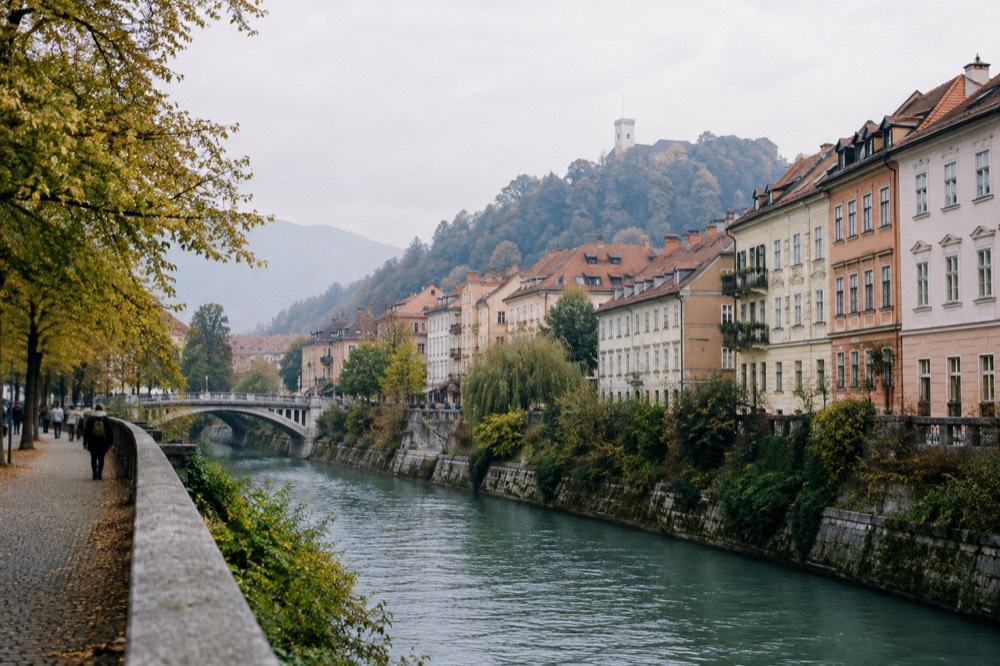
There is a climate twist that most guides miss and that matters for anyone basing themselves in Ljubljana and looking up at grey skies. Ljubljana sits in a basin at 299 m, and in the colder half of the year a temperature inversion traps cold air, fog and low cloud over the city while the high ground above sits in sunshine. ARSO's 1981-2010 normals, published in the official climate table, give Ljubljana 56 hours of sunshine in the whole of December against 120 hours at Kredarica, at 2514 m on Triglav itself. The city gets 37 clear days a year; October and November average one clear day each.
The practical reading: a winter or late-autumn morning of fog in Ljubljana is not a reason to write off the day. It is a reason to go up. A Bled day trip, the castle funicular or a run into the Julian Alps foothills will often climb straight out of the grey into sun, and the temperature at 660 m can exceed the temperature at 299 m on inversion days. Do not plan a winter visit around the high passes, but do not assume a foggy capital means a foggy mountain. The rest of the planning pages sit on Ljubljana Travel Guide.
What Does a Julian Alps Day Trip Cost?
Guided day tours from Ljubljana run roughly $57 to $141.97 per person depending on destination and group size, park entry is free, and the big add-ons are Bled Castle at 19.00 EUR and the pletna boat to Bled Island at 20 EUR per person. The cheapest structured mountain day is the basic Lake Bled tour; the Soča and Triglav days sit at the top of the range because they are the longest and the most ambitious.
| Day trip from Ljubljana | Duration | Rating | From (per person) |
|---|---|---|---|
| Soča and Kranjska Gora guided tour | 10h 30m | 4.9 from 911 reviews | $132 |
| Full-day Triglav National Park tour | 12 hours | 4.9 from 205 reviews | $141.97 |
| Soča Valley and Kranjska Gora | 10 hours | 4.9 from 183 reviews | $134.78 |
| Lake Bled and Bled Castle trip | 6 hours | 4.7 from 1641 reviews | $86 |
| Lake Bled day tour | 6 hours | 4.8 from 888 reviews | $57 |
| Small-group Bled and Triglav | 10 hours | 4.8 from 140 reviews | $115 |
Two budget notes worth having before you book. First, there is no published through-fare for the Ljubljana-to-Bled coach or train, so cost the journey through the operator's own booking channels rather than trusting a number quoted in a forum. Second, the add-ons at Bled add up fast: the castle, the boat and the gorge together can exceed the price of the tour itself, so decide in advance which of the three you actually want. The Lake Bled guide breaks each one down.
Who Should Skip the Julian Alps?
Visitors with one night in Slovenia, anyone who cannot face a ten-hour day, and travellers in deep winter with no interest in skiing should spend the time in Ljubljana and Bled instead. The mountain day trips are long by design, and there is no short version that reaches the high country. If your total stay is a single night, the maths is brutal: a 10 to 12 hour tour leaves you with a city you have barely seen. From roughly November to April the high country is a ski-and-valley destination, not a scenic-drive one.
The other honest exclusion is weather-driven. If the forecast is a solid day of rain, the mountains lose most of their value and the karst wins it: the cave and castle tour runs 6 hours from $132 and the cave holds about 10 C year round, so it is the same experience in sunshine or in a downpour. The rainy day guide to Ljubljana covers the in-city half of that plan.
For everyone else, the verdict holds. The Julian Alps are worth visiting, they are unusually easy to visit from Ljubljana, and the strongest single day in the region is the one that crosses the watershed to the Soča. These are the three tours that best cover the range from the capital.
Common Questions About the Julian Alps
Are The Julian Alps Worth Visiting?
Yes. The range holds Mount Triglav at 2864 m, a free-to-enter national park of 840 km², the emerald Soča River and the Lake Bled basin, and all of it is reachable as a day trip from Ljubljana. Visit June to September for the high country, or go in winter for the ski towns and valley walks.
Can you visit the Julian Alps without a car?
Partly. Buses and trains reach Bled and Kranjska Gora, but the Soča Valley and the high passes have no useful public transport. A guided day tour from Ljubljana is the realistic car-free option; the Soča and Kranjska Gora tour runs 10 hours 30 minutes and covers both sides of the range.
How many days do the Julian Alps need?
Two full days cover the essentials: one for the Bled and Bohinj side, one for the Soča Valley and a pass such as Vršič. With only one day, a guided tour that crosses the watershed gives you the most scenery per hour.
When do the mountain passes close?
The high passes, including Vršič, are seasonal and close under snow, typically from late autumn to late spring. Vintgar Gorge on the Bled side is open April to October, with the exact closing date depending on conditions each year, so check before travelling.
Is Triglav National Park free to enter?
Yes, entry to the park is free. Individual attractions inside and around it charge separately: Bled Castle is 19.00 EUR for an adult and the pletna boat to the island is 20 EUR per person.