Zagreb Day Trip from Ljubljana: How to Do Croatia's Capital in a Day
Zagreb is the nearest foreign capital to Ljubljana, and since Croatia joined the Schengen area and the euro on 1 January 2023 the crossing between them is as simple as a drive between two Slovenian towns. Here is how the day trip works, what a guided tour covers, and when Zagreb beats the alternatives.
Short answer
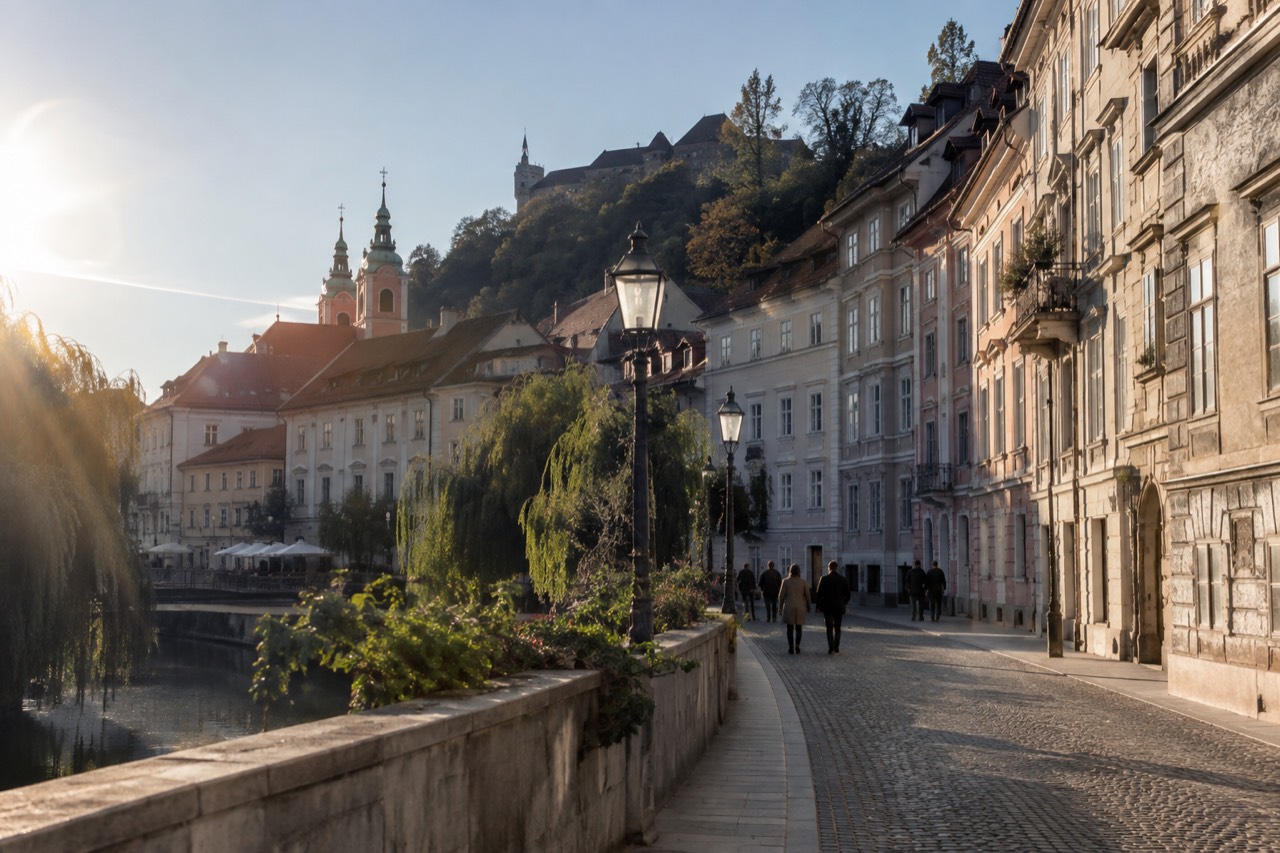
Zagreb sits close enough to Ljubljana for a comfortable day trip. A guided full-day tour runs 8 to 9 hours and costs from $293.19; it is a genuinely new listing with no reviews yet. Croatia joined the Schengen area and the euro on 1 January 2023, so there are no border checks and no currency to change. Independent travel by coach or train is also possible.
Is Zagreb a Good Day Trip from Ljubljana?
Yes, Zagreb is one of the few foreign capitals that works as an easy day trip from Ljubljana, because the two cities sit close together in the same border-free travel zone. A guided tour covers the journey and the sightseeing in 8 to 9 hours, and since Croatia adopted the euro and joined the Schengen area on 1 January 2023 there is no border stop and no money to change. The trade-off is simple: you spend a chunk of the day travelling.
The pairing is unusual in Europe. Most capital-to-capital day trips involve a flight or a long rail haul; this one is a short overland hop through shared countryside, which is why it appeals to travellers using Ljubljana as a base. The city you get on the other end is bigger, grander in a Habsburg sort of way and noticeably more metropolitan than Ljubljana, with a proper upper and lower town split, a large open-air market and a café culture that runs at a different rhythm from Slovenia's.
It is not the right trip for everyone. If your priority is alpine scenery, a lake or a cave, Zagreb will feel urban and you would do better with a day trip into the Julian Alps or down to the karst. But if you have already seen Ljubljana's compact centre, or you want to tick off a second country without repacking a bag, Zagreb is the cheapest geography lesson in the region: one day, two capitals, no border.
The comparative question comes up often enough that this site treats it in depth elsewhere: see Ljubljana vs Zagreb compared for the city-versus-city argument, and Ljubljana to Zagreb travel options for the transport detail. The short version for day-trippers: Ljubljana is the prettier base, Zagreb is the bigger destination, and the gap between them is small enough that you can sample both.
How Do You Get from Ljubljana to Zagreb?
You have three realistic options: a guided full-day tour that handles everything in 8 to 9 hours, a scheduled coach service from Ljubljana's bus station, or a train from Ljubljana's railway station. None of the published fares for the public options could be verified for this site, so check live timetables and prices before committing; the guided tour, by contrast, is bookable at a fixed price from $293.19. The crossing itself is invisible: Croatia has been in the Schengen area since 1 January 2023.
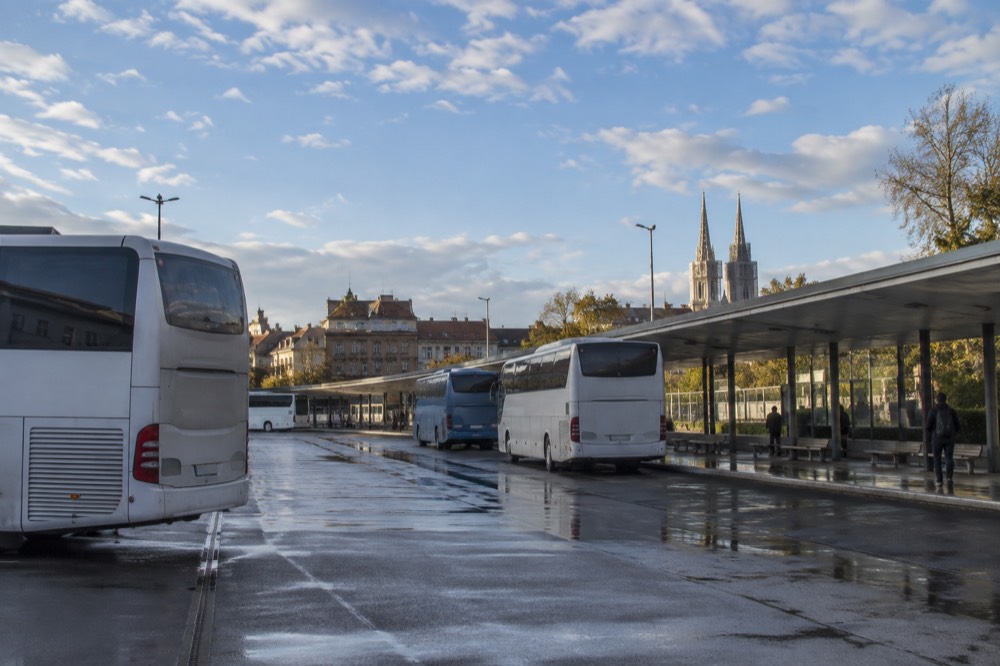
The public options are real and widely used. Coaches run from the Ljubljana bus station, which sits right next to the railway station on the northern edge of the centre, and trains depart from the adjacent main station. This site has a full guide to getting around Ljubljana and a dedicated page on the Ljubljana bus station that covers buying tickets and finding the right platform. What we will not do is print a journey time or a fare for the Zagreb route: neither operator publishes a static, verifiable figure, and a number guessed here would be wrong within a season.
That honesty matters, because the guided tour is the only option with a fixed, published commitment. It runs 8 to 9 hours door to door, departs from central Ljubljana, and costs from $293.19. It is a genuinely new listing, which means it carries no rating yet: no reviews exist to summarise, and that is worth knowing rather than hiding. For travellers who value a planned day over a cheap one, that is the whole pitch.
Here is how the three flagship day trips from Ljubljana compare on paper, using the figures from each operator's own listing:
| Day trip | Duration | Rating | From (per person) |
|---|---|---|---|
| Best of Zagreb, Croatia's capital in a day | 8 to 9 hours | No rating yet, new listing | $293.19 |
| Postojna Cave and Predjama Castle tickets and tour | 6 hours | 4.8 from 2,802 reviews | $132 |
| Lake Bled and Bled Castle | 6 hours | 4.7 from 1,641 reviews | $86 |
The price gap is the story. Zagreb is the most expensive of the three because you are buying a full day of a guide's time and a long transfer; the cave and lake trips are shorter, cheaper and carry thousands of reviews between them. Whether Zagreb justifies the premium depends on how much you want a second capital on your trip.
Whichever way you travel, the practicalities on the Ljubljana end are friendly. The centre is pedestrianised, so you walk to the station district rather than drive into it, and the whole area is compact enough that a morning departure needs no special planning. Slovenia's airport at Brnik is about 26 km from the city, so even travellers flying out the same evening can usually fold a Zagreb day into an itinerary, though that is a tight squeeze and not recommended.
What Does the Guided Zagreb Day Trip Include?
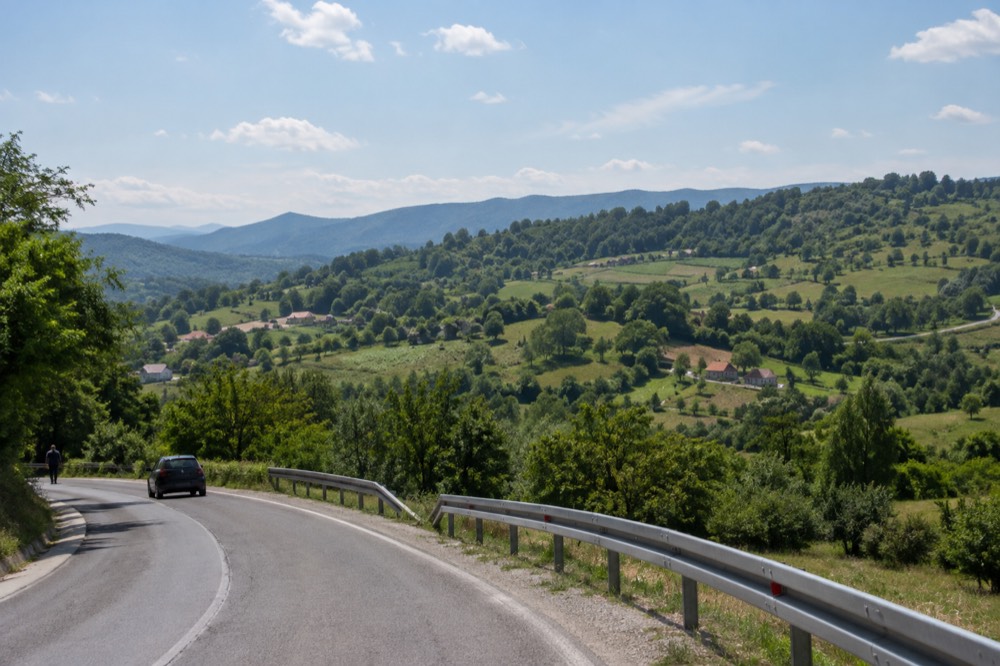
The full-day guided tour covers round-trip transport from Ljubljana and a guided introduction to Zagreb's principal sights, running 8 to 9 hours in total and priced from $293.19 per person. It is the only Zagreb option with a fixed published price, and because the listing is new it has no reviews yet. The format suits first-time visitors who want the city interpreted rather than just delivered.
A guided day does something the public coach cannot: it converts travel time into content. On a 8 to 9 hour itinerary the guide's commentary, the chosen route through the city and the pre-planned stops are the product, not the seat. That is the standard logic of every guided day tour from Ljubljana, and it applies doubly here because Zagreb's layout, a lower town of squares and promenades beneath an older hilltop town, rewards explanation. Walk it cold and you see pleasant streets; walk it with someone who knows the city and the layers start to show.
The honest caveat is the review record. Every other flagship day trip from Ljubljana carries a rating from hundreds or thousands of guests; this one carries none, because it is new. The site's policy is to say that plainly rather than to imply social proof that does not exist. If you prefer a tour with a long track record, the Postojna Cave guide covers the strongest-reviewed day trip in the caves-and-karst family, whose flagship tour is rated 4.9 from 474 reviews, and the contrast is worth weighing before you book.
For a decision this priced, the free-cancellation terms on the operator's live listing matter as much as the itinerary. Check availability, read the inclusions list, and confirm the departure point before you commit; a full-day tour is a full day, and the refund window is your insurance against a weather turn or a change of plan.
Do You Need a Passport or Different Money in Croatia?
No routine border checks and no currency change: Croatia joined the Schengen area and adopted the euro on 1 January 2023, so travelling from Ljubljana to Zagreb is administratively identical to travelling inside Slovenia. Slovenia itself has been in the European Union since 1 May 2004, in the eurozone since 1 January 2007 and in Schengen since 21 December 2007. Carry your ID card or passport anyway, as spot checks remain legally possible inside Schengen.
This is the fact most guides still get wrong, and it is worth stating precisely because it changed recently. For years the Ljubljana-Zagreb route involved a genuine international border: a passport stamp, a currency exchange from euro to kuna, a queue. All of that ended on a single day. The European Union's own pages record Croatia's euro adoption, and the Slovenian government's EU membership page documents the Schengen timeline for this side of the border, with Slovenia abolishing internal land and sea border checks on 21 December 2007 and air checks on 30 March 2008.
| Fact | Date | Where it applies |
|---|---|---|
| Slovenia joins the European Union | 1 May 2004 | Ljubljana side |
| Slovenia adopts the euro | 1 January 2007 | Ljubljana side |
| Slovenia abolishes land and sea Schengen border checks | 21 December 2007 | Ljubljana side |
| Slovenia lifts air border checks | 30 March 2008 | Ljubljana side |
| Croatia adopts the euro and joins Schengen | 1 January 2023 | Zagreb side |
The practical consequences are small but pleasant. You pay in euros in Zagreb exactly as you do in Ljubljana, so there is no exchange desk, no leftover cash problem and no mental arithmetic on every coffee. Your phone plan works without [roaming](https://airalo.tpk.ro/YlHC3OOn) surprises because both countries are in the EU. And the coach or train does not stop at the old border crossing at all, which quietly shaves time off a journey that older guidebooks still describe with a border wait built in.
One nuance for non-EU visitors: being inside Schengen means the whole zone counts as one entry for visa purposes, so a day trip to Zagreb does not refresh or extend any visa clock, and it consumes nothing either. If you entered Slovenia on a Schengen visa, Zagreb is simply inside the same perimeter. Carry your passport, keep it dry, and expect to show it to nobody.
What Should You See in Zagreb in One Day?
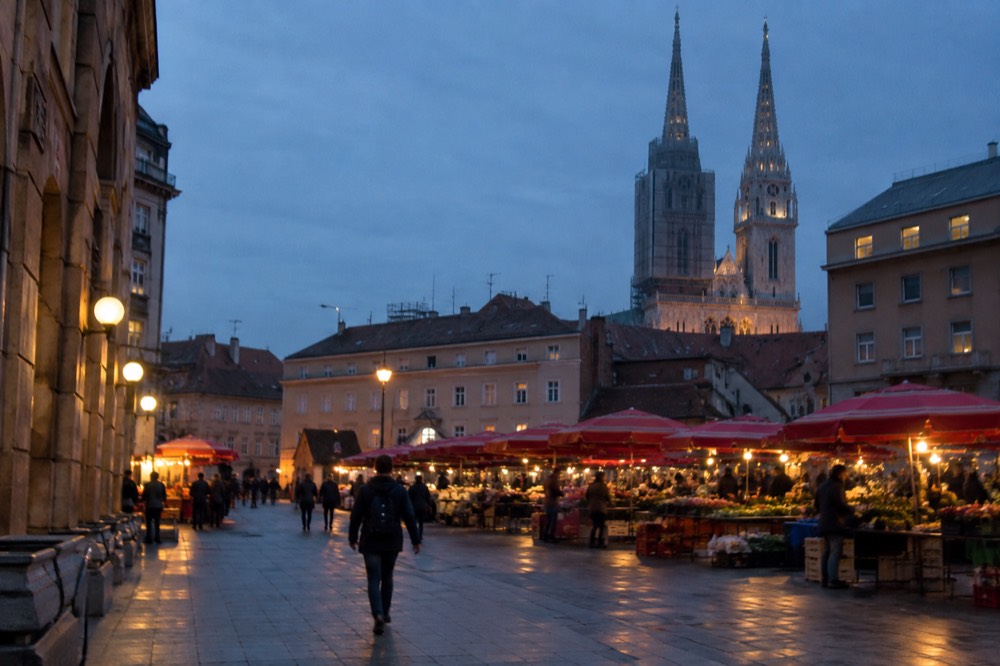
Plan your day around the two-tier city: the upper town's hilltop lanes, church towers and viewpoints first, then the lower town's grand square, market and promenade, working downhill so the geography does the organising for you. Zagreb's open-air market sits between the two, close to the main square, and is the natural mid-morning stop. One day is enough for the historic core; it is not enough for the museums, so pick at most one.
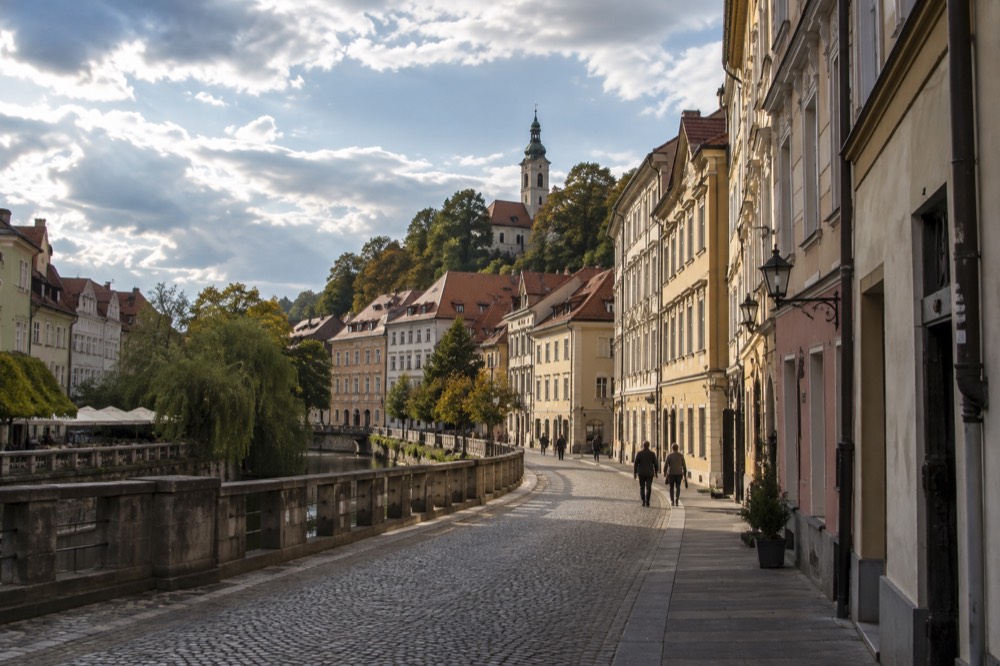
The upper town is where Zagreb keeps its oldest character: cobbled lanes, small squares, ivy and church spires, and a short funicular that links it to the lower town for anyone who would rather not climb. The views from the upper town's terraces look out over the red-tiled roofs of the lower city, and they are the shot most visitors want before lunch. Give the upper town the morning, when the lanes are quiet and the light is soft.
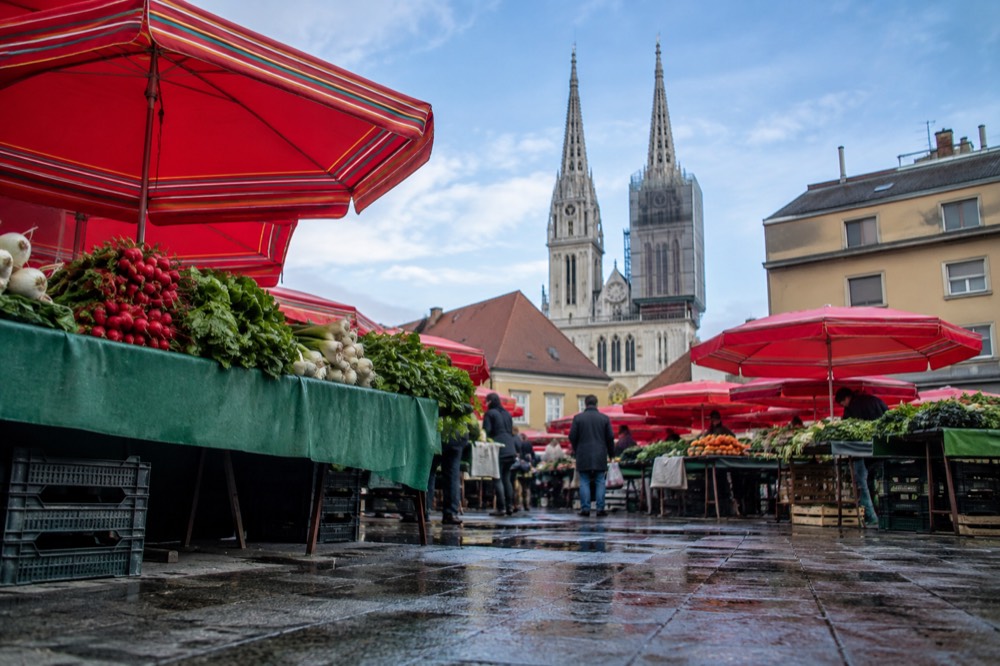
The lower town is the Habsburg-era city: a main square that anchors the whole city, a promenade lined with cafés and parkland, and a cathedral close to the market. The open-air market, held on the square beside the cathedral, is the city's kitchen, and walking it costs nothing. Arrive mid-morning and you get the full theatre of stalls; the covered halls beside it trade on weekdays, so treat the outdoor rows as the main event and check the days before planning a visit around them.
Timing a one-day visit is mostly arithmetic. A guided tour solves it by scheduling the stops for you; independent travellers should invert the obvious plan and go up the hill first, because the afternoon belongs to the lower town's cafés and the market thins out after lunch. Whichever mode you choose, resist the museum temptation beyond a single pick: Zagreb's galleries are genuinely good, and a rushed hour in each is the worst way to meet them.
If a second capital in a day appeals, so may a second country by sea: the Koper cruise ship day guide covers the mirror-image trip for travellers arriving from the Adriatic side, and the Piran guide covers Slovenia's own slice of that coast. The pattern is the same: small country, short distances, two national identities inside a single day's drive.
Zagreb Compared with the Other Big Day Trips from Ljubljana
Zagreb is the urban option in a day-trip roster that is otherwise dominated by nature: Lake Bled, Postojna Cave and the Soča Valley. It is the most expensive flagship trip at from $293.19 and the only one without reviews yet, while the cave and lake tours carry 4.8 and 4.7 ratings from thousands of guests. Choose Zagreb for cities and café culture; choose the others for scenery you cannot find inside any city.
The comparison is worth making honestly because the alternatives are excellent. The full roster of day trips from Ljubljana runs from alpine valleys to Adriatic towns, but the three most-booked categories are the lake, the caves and the coast, and each answers a different traveller. A family with children tends toward Bled; a couple on a city break tends toward Postojna or the coast; a repeat visitor who has done the classics is exactly who the Zagreb trip is for.
| Day trip from Ljubljana | Type | Duration | Rating | From |
|---|---|---|---|---|
| Best of Zagreb, capital of Croatia | City break | 8 to 9 hours | No rating yet | $293.19 |
| Postojna Cave and Predjama Castle tour | Caves and karst | 5h 30m | 4.9 from 474 reviews | $80 |
| Lake Bled day tour | Lake and alpine | 6 hours | 4.8 from 888 reviews | $57 |
| Škocjan Caves and Piran day trip | Caves and coast | 9h 30m | 4.7 from 382 reviews | $126 |
| Soča and Kranjska Gora guided tour | Alps and valleys | 10h 30m | 4.9 from 911 reviews | $132 |
Two structural notes on the table. Postojna Cave holds roughly the same temperature year round, about 10 C, which is why the cave trips are the reliable answer on a day of bad weather; a Zagreb day, by contrast, is mostly outdoors and mostly weather-exposed. And the duration column hides the real cost of the longest trips: a 10-hour day out of a short city break is a big bite, which is one reason the shorter Bled and Postojna options outsell everything else.
The Postojna tour deserves its own word because it is the strongest-reviewed trip in its family: 4.9 from 474 reviews at from $80 for five and a half hours, pairing the cave train with the cliff castle at Predjama. If your Zagreb day is a "second city" idea, the cave day is its opposite, a trip into a landscape rather than a streetscape, and the two make a natural either/or for a two-day split.
The Bled option is the volume seller, and the numbers explain why: from $57 for a six-hour guided day to the lake, rated 4.8 from 888 reviews. Bled carries more search demand than the entire city of Ljubljana in some months, which tells you the day-trip market here is really a Bled market with everything else orbiting it. The full Lake Bled guide covers the lake itself, and Ljubljana or Bled, which to choose tackles the base-city question directly.
When Is the Best Time of Year for a Zagreb Day Trip?
Aim for late spring or early autumn: May, June and September give Ljubljana its most reliable weather for a day that is spent mostly outdoors. Avoid the fog-prone shoulder without checking the forecast, because Ljubljana averages 12.4 fog days in both September and October, and a grey departure sets the tone for the whole trip. Winter trips work, but the day is short and the city's outdoor life contracts.
The climate detail here is genuinely counterintuitive, and it is the kind of thing first-page search results miss. Ljubljana sits in a basin, and in the colder half of the year cold air is trapped under warmer air above: the city fogs in while the hills a few hundred metres up sit in sunshine. ARSO's 1971-2000 normals put Ljubljana's fog days at 12.4 in September and 12.4 in October, level with December and above January's 11.3, with 91.2 fog days across the year. The same station's 1981-2010 table makes September and October the joint wettest months at 147 mm each, above July's 115 mm.
| Month | Sunshine hours, Ljubljana | Precipitation, mm | Fog days |
|---|---|---|---|
| May | 235 | 109 | 3.6 |
| June | 246 | 144 | 3.0 |
| July | 293 | 115 | 3.7 |
| August | 264 | 137 | 6.5 |
| September | 183 | 147 | 12.4 |
| October | 120 | 147 | 12.4 |
The table mixes two reference periods, and that is deliberate and disclosed: sunshine and precipitation come from ARSO's 1981-2010 normals, while the fog series is published only for 1971-2000. The two periods disagree by design and must never be blended into a single averaged claim. What they jointly say for a day-tripper is clear anyway: the June-to-August window is the sunny one, September flips wet and foggy almost overnight, and October is the cloudiest autumn month you could pick, averaging a single clear day.
Winter deserves a fair hearing despite the numbers. December in Ljubljana means the Christmas market and 56 hours of sunshine across the whole month, and a Zagreb day trip in that light is a café-and-interiors day rather than a viewpoints day. The Zagreb tour runs year-round, and the guided format absorbs weather better than an independent plan, because a guide can re-route the day indoors without you losing the itinerary. If you do travel in the colder half of the year, the honest advice from the climate record is to go up: the high ground above the basin is often in sun while the city sits under fog, which is the inversion effect that makes the mountains sunnier than the capital in winter.
How Much Does a Zagreb Day Trip Cost?
The guided full-day tour costs from $293.19 per person for 8 to 9 hours with transport and guiding included, and it is the only Zagreb option with a fixed published price. Public coach and train fares could not be verified for this site, so treat any number you see elsewhere as unconfirmed until you read it on the operator's own booking page. Budget beyond the ticket for lunch and coffee in Zagreb, priced in euros like everywhere else on the route.
The price structure of a day trip is the same whichever direction you go: the transport-plus-guiding bundle on one side, the DIY fare plus your own time on the other. What makes the Zagreb comparison unusual is the size of the bundle. At from $293.19, the tour costs more than double the cave trip and more than three times the basic Bled day, and the reason is the hours: you are buying most of a working day from a guide and a vehicle. Whether that is expensive depends on what your alternative costs you in planning, navigation and a missed border-free connection.
Food is the other line in the budget. Zagreb's market and café culture are part of the point of the trip, and a long lunch is a legitimate use of an hour of a guided day or the centrepiece of an independent one. Prices in the city run on the euro like Ljubljana's, so there is no exchange-rate illusion: what feels cheap or dear is what it is. The Ljubljana prices guide gives the baseline on the Slovenian side for anyone who wants to calibrate expectations before crossing.
One cost that does not exist: money changing. With both cities in the eurozone since 1 January 2023, there are no exchange fees, no commission windows and no leftover-kuna problem, which older guides still warn about. The only remaining transactional friction on the whole route is the same one you face at home: contactless works nearly everywhere, and the occasional market stall prefers cash.
Should You Book a Tour or Travel to Zagreb Independently?
Book the tour if your time in the region is short and you want the day planned, the border-free logistics handled and the city interpreted; travel independently if you are on a tight budget, you enjoy timetable research, or you want to set your own pace through the upper and lower towns. The tour is from $293.19 for 8 to 9 hours; the independent route's fares are unpublished here because they could not be verified, so compare on the operators' own pages.
The case for the tour is strongest for short-stay visitors. Ljubljana's guests average about two nights, which means most people planning a Zagreb day are doing it from a tight itinerary where a wasted hour matters. A guided day converts the whole transfer into a planned experience, removes the timetable risk, and hands you a curated route through a city you do not know. The absence of reviews on the new listing is a reason to read the inclusions carefully, not a reason to dismiss it: every well-reviewed tour was once a new listing.
The case for independence is mostly financial and partly temperamental. If you enjoy working out a coach connection, or you want to linger three hours in one museum and skip the viewpoints, no guided format will fit you. The public options exist and run regularly; the only honest caveat this site can make is the one made throughout: no verified fare or journey time is published here, so do your own live check. Travellers who want a middle path sometimes split the difference, taking an independent morning and a booked afternoon activity, though Zagreb's compact core rarely needs it.
For most readers of Ljubljana Travel Guide, the decision rule is simple. If Zagreb is your one big excursion from the city, book the tour and spend your planning energy on the rest of the trip; if it is a spontaneous add-on, go independent and keep the day loose. Either way, check availability on the operator's live listing early in your trip planning, because a single-departure day tour fills on the days you most want it: weekends in good weather, and the whole of the summer shoulder.
Common Questions About a Zagreb Day Trip from Ljubljana
Is Zagreb a good day trip from Ljubljana?
Yes. Zagreb is one of the few foreign capitals reachable as a comfortable day trip from Ljubljana, with a guided option running 8 to 9 hours from $293.19 and public coach and train alternatives. Since Croatia joined Schengen and the euro on 1 January 2023, the crossing involves no border checks and no currency change.
How long does the guided Zagreb day trip take?
The full-day guided tour runs 8 to 9 hours, including round-trip transport from Ljubljana and guided sightseeing in the city. It is priced from $293.19 per person and is a genuinely new listing, so it carries no reviews yet.
Do you need a passport to travel from Ljubljana to Zagreb?
Carry your ID card or passport, but expect no routine check: Croatia joined the Schengen area on 1 January 2023, so there are no internal border controls on the route. Spot checks remain legally possible anywhere inside Schengen.
Do you need to change money in Zagreb?
No. Croatia adopted the euro on 1 January 2023, so the currency is the same as in Slovenia. There is no exchange desk, no commission and no leftover foreign cash at the end of the day.
Is Zagreb or Lake Bled the better day trip from Ljubljana?
They answer different needs. Bled is the scenery day: from $57 for a six-hour tour rated 4.8 from 888 reviews. Zagreb is the city day: from $293.19 for 8 to 9 hours. First-time visitors usually take Bled first; repeat visitors are the natural audience for Zagreb.
When is the worst time of year for a Zagreb day trip?
Late September and October. Ljubljana averages 12.4 fog days in each of those months, level with December, and they are the joint wettest months at 147 mm each, so the departure city is often grey before you even leave. The trip still runs, but check the forecast first.