Where Is the Best Place to Stay in Ljubljana, Slovenia?
The best place to stay in Ljubljana is the pedestrianised historic centre, with Trnovo and Bežigrad as strong alternatives for quieter, cheaper stays. Here is how to choose.
Where Is the Best Place to Stay in Ljubljana, Slovenia?
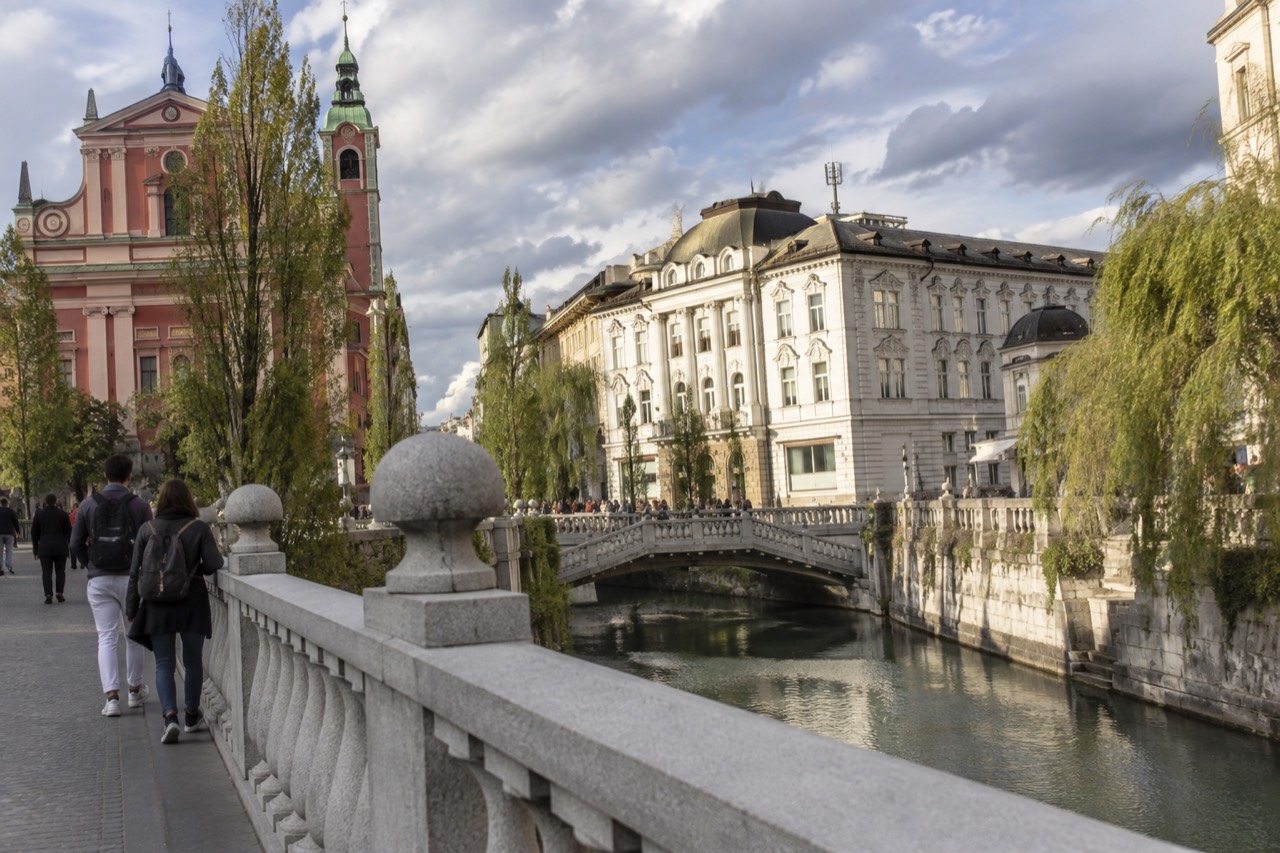
The best place to stay in Ljubljana is the pedestrianised historic centre, the roughly twenty-hectare zone between Prešeren Square, the Ljubljanica river and Ljubljana Castle. Every major sight, most restaurants and the river cruise piers sit inside a fifteen-minute walk of it, and the city's two-night average stay means you lose more time than you save by staying further out. Trnovo and Bežigrad are the strong alternatives for cheaper or quieter stays, and both remain within easy reach of the centre.
Ljubljana rewards a simple rule: stay inside or immediately beside the car-free zone, and you will walk everywhere. The historic centre has been closed to general motor traffic and progressively expanded since 2007, which changes the accommodation maths completely. A hotel at the edge of the pedestrian zone is not a compromise, it is the whole point of the city.
The numbers back the compactness up. Slovenia's statistics office recorded 1,392,728 tourist arrivals and 2,844,129 overnight stays in the municipality in 2025, an average of about 2.04 nights per visitor. Ljubljana is a two-night city for most people, so a base that saves twenty minutes of walking but adds a bus ride is usually a bad trade.
There is one more planning fact worth knowing before you choose. The tourist tax in Ljubljana is 3.13 EUR per person per night, a 2.50 EUR tax plus a 0.63 EUR promotion surcharge, with a half rate of 1.57 EUR for ages 7 to 18. It applies wherever you sleep, from a riverside hotel to a campsite, so it should not swing your neighbourhood choice.
Which Neighbourhood Is Best for First-time Visitors?
For a first visit, the historic centre itself is the best neighbourhood: the streets between Prešeren Square, Tromostovje, the Triple Bridge, and the castle hill. You step outside into the pedestrian zone, the Ljubljanica piers are minutes away, and the free tips-based walking tours all start within it. If the centre's prices feel high, the next best option is the eastern edge of the centre or Trnovo, across the river, which keeps the walk short while cutting the room rate.
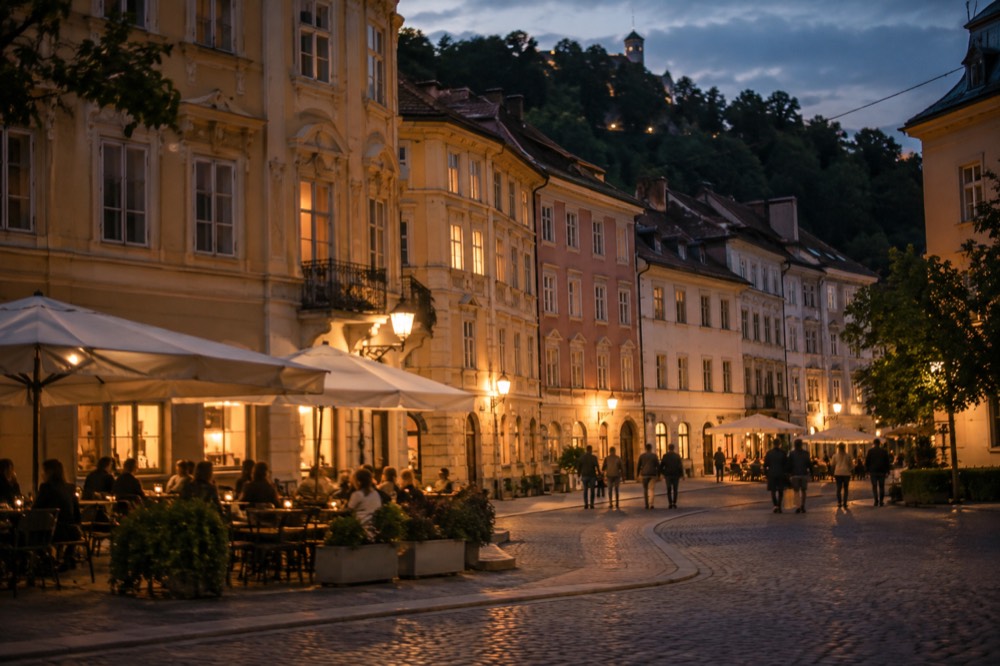
The centre's advantage is not just the sights. The Open Kitchen food market runs on Pogačarjev trg on Fridays from roughly March to November, the Central Market operates through the week, and the evening riverbank life is all on your doorstep. A first-time visitor staying in the centre loses nothing to transport at all.
Trnovo, the leafy quarter just south of the centre across the Ljubljanica, is the connoisseur's pick. It has the relaxed, residential feel of a village, a short riverside walk into the core, and prices below the centre's. The old town guide covers the centre's streets in detail, and the Trnovo guide does the same for the quarter most visitors never hear about before they arrive.
If you want the orientation done for you on day one, the Old Town Walk, Romans to Dragons is a free, tips-based walk on GuruWalk that runs about two hours and rates 4.91 across 1,496 reviews. A guided walk is also bundled into the Ljubljana Card, which the official tourist board page lists alongside the funicular, the river cruise and city buses, and which the Ljubljana Card guide breaks down against paying separately.
Where Should You Stay on a Budget or with a Family?
Budget travellers should stay in Bežigrad or along the eastern edge of the centre, where hostels and guesthouses cluster within a fifteen-minute walk of the core, and families should stay in Trnovo or the Krakovo district, where the streets are quieter, the rooms larger, and the riverside walk into town is part of the day rather than a commute. Both areas sit on city bus routes where a single 90-minute fare costs 1.50 EUR.
Bežigrad, north of the railway station, is the practical budget choice. It is plain rather than pretty, but the station, the bus hub and the Tivoli Park end of the centre are all close, and the district's own Kamnik guide territory to the north makes an easy half-day escape. The transport detail that catches visitors out: city buses do not accept cash on board, so you need an Urbana card, which costs 2.00 EUR to buy, or a contactless bank card or phone.
Families get the best of both worlds in Trnovo and Krakovo. The Ljubljana with kids guide lists the child-friendly sights, and from Trnovo the walk to the castle funicular or the Puppet Museum inside the castle is short. Note the distinction that matters with children: the castle grounds are free to enter, while the funicular and the tower attractions are paid, with a combined castle ticket including the funicular at 19.00 EUR for an adult.
One budget note that applies citywide: Ljubljana is safe and walkable enough that paying a premium for a "central" address often buys very little. The is Ljubljana safe guide covers the practicalities, and the Ljubljana on a budget guide works through the costs, including how the Ljubljana prices guide figures stack up for a two-night stay.
Whichever neighbourhood you choose, the two-night pattern of most visits leaves a full day for a trip out. The Cave and Castle Tickets tour is the strongest single day trip from the city: six hours, Postojna Cave and Predjama Castle with entries and transport included, rated 4.8 across 2,802 reviews and from $132. Caves hold roughly the same temperature year round, about 10 C at Postojna, so it works in any season.
Is It Better to Stay Near the Station or in the Centre?
Stay in the centre rather than by the station unless you have an unusually early departure or a late arrival. Ljubljana's railway and coach station sits about fifteen to twenty minutes' walk north of Prešeren Square, which is close enough that the station district's cheaper rooms cost you little time, but the centre is where the city actually happens in the evenings, and the walk back at night is the daily tax you pay for saving a modest amount on the room.
The station area, on the Bežigrad side, has one genuine advantage: the trains from Ljubljana guide and the bus station guide both point out that nearly every day trip in the country departs from this one spot. If your plan is a Lake Bled day trip [by coach](https://busbud.tpk.ro/4kLAIElq), or a guided Postojna Cave tour, being ten minutes from the departure point at 8am has real value.
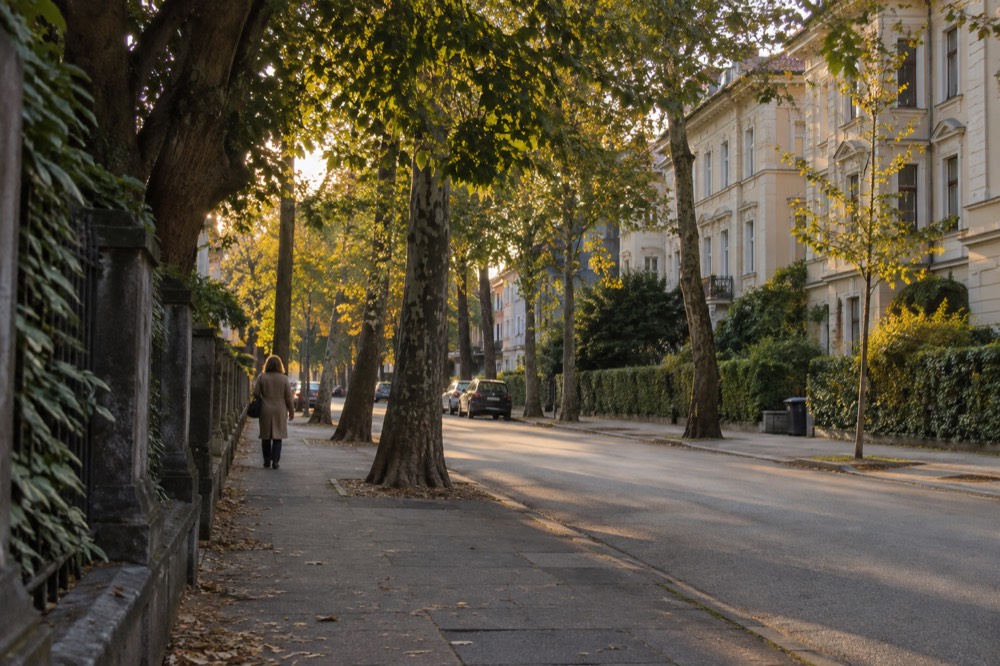
For everyone else, the centre wins. The station district empties in the evening, while the riverside stays lively, and the pedestrian zone means no taxi is needed at all for dinner. The airport, Jože Pučnik at Brnik, is about 26 km from the city, and the airport to city centre guide covers the transfer options, none of which are affected by which neighbourhood you pick inside the city.
Here is the comparison in one view:
| Neighbourhood | Best for | Walk to Prešeren Square | Character |
|---|---|---|---|
| Historic centre | First visits, short stays, nightlife and dining | You are in it | Baroque, pedestrianised, busiest, priciest |
| Trnovo / Krakovo | Families, longer stays, quieter base | 10–15 minutes | Leafy, residential, riverside |
| Bežigrad | Budget stays, early departures, day trips | 15–20 minutes | Plain, practical, near station and buses |
| Šiška | Cheapest rooms, student vibe | 20–25 minutes | Urban, street art, needs a bus or a long walk |
A note on the seasons, because it changes what "best" means. Ljubljana sits in a basin and fogs in: ARSO's 1971-2000 normals give the city 91.2 days with fog a year, with September and October averaging 12.4 fog days each, level with December. ARSO's 1981-2010 sunshine normals put December at just 56 hours against 120 hours at Kredarica, 2,514 m up on Triglav. In the colder half of the year the city can sit under low cloud while the hills above are in sun, which is a quiet argument for a hotel near the castle funicular, the fastest way up and out of the inversion layer. The best time to visit guide works through the months.
The final word on choosing: this Ljubljana Travel Guide exists because the city is small enough to be knowable in a weekend, and your accommodation should serve that. The centre for a first taste, Trnovo for a calmer, cheaper version of the same trip, Bežigrad when the timetable matters more than the view. Whichever you book, the [where to stay](https://booking.tpk.ro/siijcqre) in Ljubljana guide goes deeper on individual streets and hotels, and the best part of Ljubljana to stay in post compares the quarters head to head.
If a day trip is part of the plan, and it should be, the Lake Bled and Castle tour is the classic pairing with a city stay: six hours, rated 4.7 across 1,641 reviews, from $86, and back in Ljubljana in time for dinner on the river.
Common Questions About Where to Stay in Ljubljana
Where Is The Best Place To Stay In Ljubljana, Slovenia?
The pedestrianised historic centre, between Prešeren Square and the castle hill, is the best place for most visitors. Everything is walkable, the river cruises and food markets are on your doorstep, and the city's two-night average stay means a central base saves real time. Trnovo and Bežigrad are the best-value alternatives.
Is Ljubljana city centre walkable?
Yes. The historic core is a pedestrian zone of roughly twenty hectares, closed to general motor traffic and progressively expanded since 2007. Most visitors never need a bus inside the city, and city buses do not take cash on board, so if you do ride one you need an Urbana card or a contactless bank card.
How many days do you need in Ljubljana?
About two. Official figures for 2025 show 2,844,129 overnight stays across 1,392,728 arrivals, an average of roughly 2.04 nights. Two nights covers the centre, a castle visit and one day trip, which is why the neighbourhood choice matters more than the length of stay for most people.
Which part of Ljubljana is cheapest to stay in?
Bežigrad, north of the railway station, has the cheapest useful rooms, still within a fifteen to twenty minute walk of the centre. Šiška is cheaper still but needs a bus. Wherever you sleep, the tourist tax is 3.13 EUR per person per night, with a half rate of 1.57 EUR for ages 7 to 18.
Where should families stay in Ljubljana?
Trnovo or Krakovo, just south of the centre across the river. The streets are quiet and residential, the walk into town runs along the Ljubljanica, and the castle is close. Remember the castle distinction with children: the grounds are free, while the funicular and the tower attractions are paid.
Is it worth staying near the station for day trips?
Only if day trips dominate your plan. Nearly every coach and train day trip, including the Bled and Postojna services, departs from the single station hub about fifteen to twenty minutes north of the centre. If you have an 8am departure, a nearby room is convenient; otherwise the centre is the better base.