What Is Bled, Slovenia Famous For?
Bled is famous for its lake with a church-topped island, a medieval castle on a cliff, cream cake, Vintgar Gorge and the Julian Alps. Here is what actually makes it iconic.
What Is Bled, Slovenia Famous For?
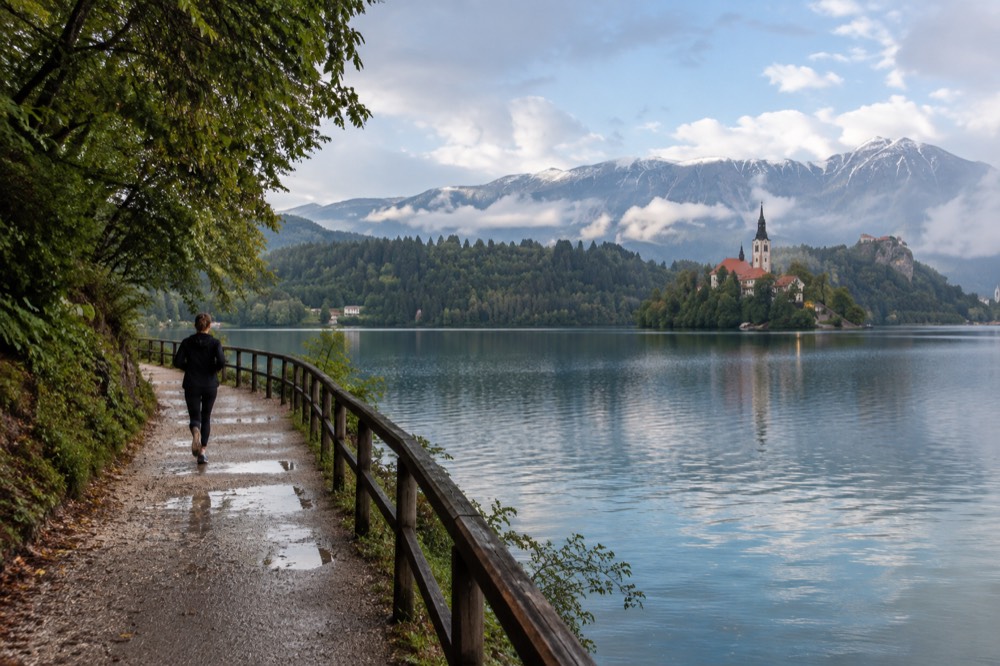
Bled is famous for its lake with a small island carrying a pilgrimage church, reached by a traditional wooden pletna boat, and for Bled Castle, a medieval fortress sitting on a cliff high above the water. Around those two icons sit the cream cake known as Bled's signature dessert, the Vintgar Gorge boardwalk, and the eastern edge of Triglav National Park with Mount Triglav, at 2,864 m the highest peak in Slovenia, close enough to see from the shore on a clear day.
That is the honest one-paragraph answer, and almost every visitor would recognise at least the first two items in it. But the fame has a specific shape worth understanding before you plan anything. Bled is not a city; it is a small lakeside town of a few thousand people in the Upper Carniola region, about 50 km northwest of Ljubljana, that has been a spa and resort destination since the 19th century. Its search demand exceeds the entire Slovenian capital's, which tells you most visitors to the country treat it as the headline rather than a detour.
The lake itself is a glacial lake, roughly 2 km long, formed in a basin left by a retreating Pleistocene glacier and later reshaped by karst processes. The water is warm enough in summer for swimming from designated spots, and the whole circuit walk takes about an hour at a steady pace. What makes the view so recognisable is the composition: a church with a baroque tower on a wooded island near the western shore, a castle on a rock face at the northern end, and the Julian Alps rising behind. Few places pack three vertical layers into one frame so neatly.
The island church, the Church of the Assumption of Mary, is the reason most photographs exist. Visitors reach it by pletna, a flat-bottomed wooden boat rowed standing up, a craft traditional to the lake. The official Bled visitor information lists the pletna crossing at 20 EUR per person, and the electric Bled Boat Line, which circles the lake without landing, at 16 EUR per person. On the island itself, 99 stone steps lead up to the church, and there is a local custom of ringing the bell to make a wish. The train from Ljubljana to Lake Bled question is covered elsewhere, but the short version is that the lake is an easy day trip from the capital by road or rail.
Why Is the Island Church and Pletna Boat Such a Big Deal?
The island is the only true island in Slovenia, and the church on it has been a pilgrimage site for centuries, which means Bled's most famous view has a genuine historical core rather than being a manufactured photo spot. The pletna boats that carry visitors out are a traditional local craft, and the crossing plus the 99 steps to the church give the visit a physical ritual most lake viewpoints lack.
The pletna is not a generic rowboat. It is a specific flat-bottomed design, large enough for around 20 passengers, rowed standing by a boatsman who holds a licence passed down within families, historically tied to specific "pletna rights" on the lake. That institutional history is why the boats are still wooden and still rowed rather than motorised, even though the lake also has an electric boat line for the circle route. The church on the island dates in its current baroque form to the 17th century, built on the site of earlier churches going back to pre-Christian worship on the island.
The bell tradition is the detail visitors remember. The "wishing bell" inside the church is said to grant a wish to anyone who rings it, a story tied to a legend about a widow whose donated bell sank on its way to the island. Whether or not the story moves you, the bell is real and the climb is real: the staircase from the boat landing to the church entrance is steep enough that older visitors should pace themselves. Weddings are held on the island regularly, and the church's interior, including a fresco cycle and an altar with the Virgin Mary, is open to visitors who have made the crossing.
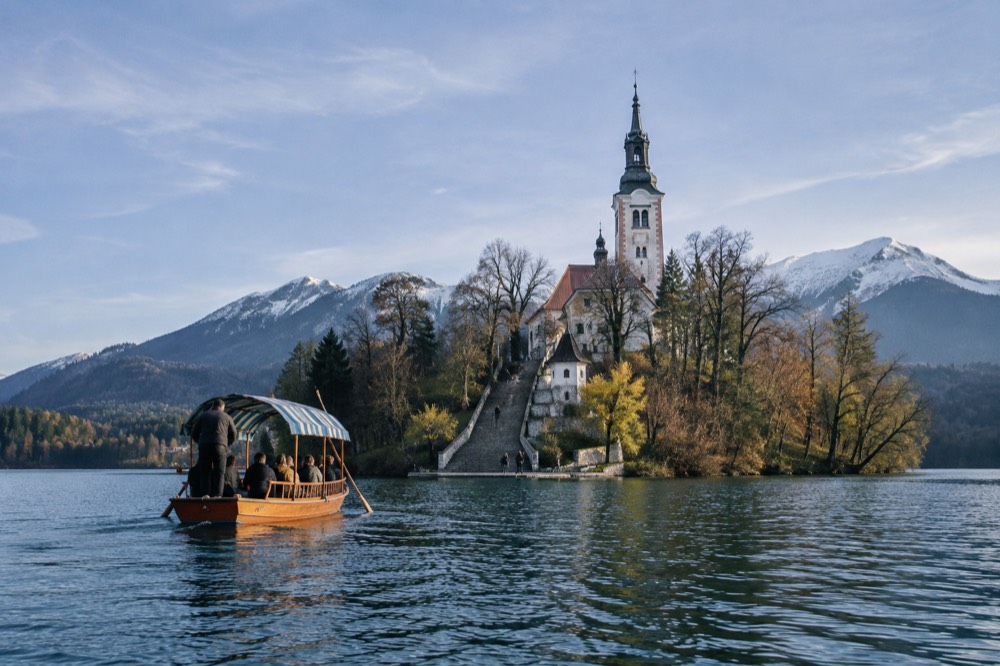
For most people the practical question is simply whether the crossing is worth it, and the honest answer is that the island is the one part of Bled you cannot see from the shore. The castle viewpoint, the lake circuit and the gorge can all be appreciated without a ticket. The island cannot, because its interior is only reachable by boat. If you are deciding between the pletna and the electric boat line, the pletna lands you on the island; the boat line does not, it only circles the water. Prices and current schedules are on the operator's live listing.
If you are coming from Ljubljana and want the lake and the castle handled for you, these are the three most-booked options:
What Is Bled Castle and Why Does Everyone Photograph It?
Bled Castle is a medieval castle complex on a cliff top high above the lake, and it is the oldest castle in Slovenia. It is famous for the view rather than the interior: from its terrace you look straight down the length of the lake with the island below you, a composition that has become the defining image of Slovenian tourism.
The castle's official price list puts an adult ticket at 19.00 EUR. What that buys, beyond the terrace view, is a small museum on the castle's history, a chapel with frescoes, a printing workshop demonstrating old techniques, and a wine cellar with a ritual blessing of the wine. The buildings themselves are partly reconstructed; the site has been rebuilt and restored many times across a very long documented history, and much of what stands now reflects centuries of adaptation rather than one frozen medieval moment. The honest framing is that you come for the position, and the exhibitions fill the time between photographs.
The castle also runs a restaurant with one of the most dramatic terrace settings in the country, which is worth knowing because it means the site stays lively into the evening in summer. The castle is open year-round, and because it sits on a rock spur on the lake's northern shore it is reachable on foot from the town in about 20 minutes of uphill walking, or by car and coach. The climb is the reason many visitors take a tour that includes the transfer: the is Bled Castle worth it question gets a fuller treatment elsewhere on this site, but the short version is that the view genuinely is the attraction.
Bled's fame is not only visual, and there is one edible claim that belongs in the same breath as the castle and the island. The Bled cream cake, kremšnita in Slovene, is a layered slice of puff pastry, vanilla custard cream and whipped cream that was created at the Bled hotel patisserie and has been made to the same recipe ever since. The original recipe is a guarded one, the cake is served across the town, and the official count of cakes sold runs into the millions. For many visitors it is the thing they ate that they still talk about a year later.
What Surrounds Bled: The Gorge, the Park and the Alps?
Bled is famous as a base as much as a sight, because within a few kilometres it has Vintgar Gorge, a wooden-boardwalk walkway through a river canyon, and the eastern gateway to Triglav National Park, Slovenia's only national park, which covers 840 square kilometres of the Julian Alps including Mount Triglav at 2,864 m. Entry to the park itself is free, and the gorge is the single most popular walk in the area.
Vintgar Gorge deserves its own headline. The Radovna River has cut a canyon through limestone, and for well over a century visitors have walked it on wooden galleries and bridges bolted along the cliff above the water, passing rapids, pools and a waterfall at the end. The gorge is open to visitors between April and October and closes for winter, with the exact closing date depending on conditions each year, so it needs checking before any cold-month trip. An adult ticket is 15.00 EUR, timed-entry slots apply, and the operator's own guidance notes the busiest hours are between 10:00 and 13:00. The full picture is in the site's Vintgar Gorge guide.
Triglav National Park is the bigger frame. The park, established in its current form in 1981 with earlier protection dating to 1924, takes in the Julian Alps that form Bled's backdrop, and its eastern edge sits close enough to the lake that trails start within reach of the town. The park's own information confirms entry is free and Triglav stands at 2,864 m; the mountain appears on Slovenia's coat of arms, which tells you how central it is to the national identity. For visitors, this is what separates Bled from a purely scenic lake resort: within half an hour you can be on alpine trails in terrain you can already see from the shore.
| What Bled is famous for | Where it is | Entry figure |
|---|---|---|
| Lake Bled island and church | Island in the lake, pletna from the shore | Pletna 20 EUR per person |
| Bled Castle | Cliff top on the northern shore | Adult 19.00 EUR |
| Vintgar Gorge | 4 km northwest of Bled | Adult 15.00 EUR, April to October |
| Triglav National Park | Surrounding the area | Free entry |
| Bled cream cake | Cafes and hotels across the town | Sold by the slice at each venue |
The table above is the whole answer in one view: two paid icons, one seasonal gorge, one free national park and a dessert. Nothing else in the town comes close in recognition, and a first visit that covers those five has covered Bled.
How Do You Actually See Bled from Ljubljana?
Bled is about 50 km from Ljubljana and is the country's easiest marquee day trip, reachable by road in roughly an hour or by rail, with Bled Jezero station just 1.5 km from the lake on the line through Bohinj, closer than the better-known Lesce-Bled station 4 km away. Because the lake, castle and island each need separate tickets and transport, many visitors take a guided day trip that bundles them.
The rail detail is genuinely useful and routinely got wrong. Most advice sends visitors to Lesce-Bled, which is 4 km from the lake and needs a bus or taxi for the last stretch. Bled Jezero station, on the line that continues toward Bohinj, sits 1.5 km from the shore, a 20-minute walk. The Lake Bled guide on this site covers the full transport picture, and the quieter, wilder Lake Bohinj 25 minutes further on is worth knowing about too: travellers who only know Bled often prefer Bohinj once they see both.
For the guided option, the Lake Bled and Bled Castle trip runs six hours, is rated 4.7 across 1,641 reviews, and covers the lake and the castle viewpoint with transport from Ljubljana included. It suits visitors who want the headline sights without working out buses, and there is a good case for it on a short stay, because city itineraries get tight fast when Bled is added and a handled excursion saves half a day of logistics.
If you would rather go independently, the honest planning note is that Bled rewards an early start. The lake circuit, the castle and the island fill a full day comfortably, and adding Vintgar Gorge means either a second day or a very brisk first one. In peak summer the town's car parks and the gorge's timed slots both fill by mid-morning, which is the quiet argument for either staying a night, covered in where to stay in Lake Bled, or letting a tour absorb the timing decisions.
When Is the Best Time to See Bled?
Bled is at its best from May to September for warm lake water and full opening hours, with July and August the busiest and warmest months, while the castle stays open year-round and the lake circuit is a genuine winter walk, but Vintgar Gorge closes from the end of the season in autumn until April, so winter visitors get the two icons and lose the gorge.
The seasonal mechanics are simple once you know them. The pletna and boat line run on the lake through the warm months; the castle is a 365-day sight; the gorge is strictly April to October with an operator-set closing date that shifts with conditions. Snow on the Julian Alps behind the lake is a photographer's favourite in the shoulder months, and the town is quietest, and cheapest, outside the July-August peak.
One thing worth saying plainly: Bled's fame means it is never truly empty. The view that made it famous now draws the crowds the view implies, and the difference between seasons is one of degree. Arrive before 10:00 at the gorge, take the lake circuit in the evening light, and the busiest day becomes manageable. This is why Ljubljana Travel Guide keeps the seasonal detail on every Bled page: the same weekend can be grey in the capital and bright on the lake.
If Bled is one stop on a longer Slovenia plan, these are the three day-trip formats most visitors compare:
Common Questions About What Bled Is Famous For
What Is Bled, Slovenia Famous For?
Bled is famous for its glacial lake with the only true island in Slovenia, carrying the Church of the Assumption of Mary and reached by traditional pletna boat, plus Bled Castle on a cliff above the water, the Bled cream cake, Vintgar Gorge and its position at the edge of Triglav National Park.
Can you go inside the church on Bled island?
Yes. The pletna crossing costs 20 EUR per person and lands on the island, from which 99 stone steps climb to the church. The interior, including the wishing bell, is open to visitors who have made the crossing.
Is Bled Castle worth the ticket?
The adult ticket is 19.00 EUR. The castle's value sits in the terrace view down the full length of the lake with the island below, plus a small history museum, chapel and workshops. Visitors who come for the view rarely regret it.
Is Vintgar Gorge open all year?
No. The gorge is open to visitors between April and October and closes for winter, with the exact closing date set each year by conditions. An adult ticket is 15.00 EUR with timed-entry slots.
What is Bled cream cake?
Kremšnita is a slice of puff pastry, vanilla custard cream and whipped cream, created at the Bled hotel patisserie and made to the same guarded recipe ever since. It is served across the town's cafes and hotels.
How far is Bled from Ljubljana?
About 50 km. Bled Jezero station is 1.5 km from the lake on the Bohinj line, closer than Lesce-Bled at 4 km, and the drive takes roughly an hour. Guided day trips of around six hours are the most popular way to combine the lake and castle.